Canada pledges C$350 million for interceptor missiles, expands drone production with Ukraine
Canada announced C$350 million for interceptor missiles for Ukraine, plans to expand joint drone production, and provided nearly US$29 million for veterans support. Ottawa also sanctioned Russian officials involved in the deportation of Ukrainian children.
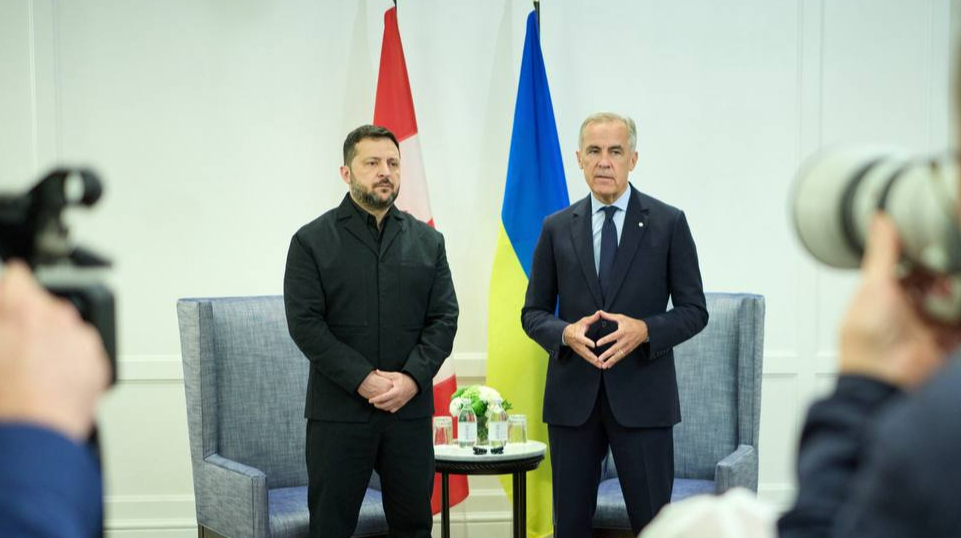
Canada announced on 10 September that it will provide C$350 million (approximately US$260 million) to fund interceptor missiles for Ukraine’s air defence, according to Ukrainska Pravda. The package also includes plans to expand drone production and establish joint defence manufacturing with Ukrainian industry, marking a significant step in Ottawa’s long-term support for Kyiv.
The interceptor missile funding comes at a critical moment. Ukrainian forces have been pressing for more surface-to-air missiles to protect cities and infrastructure from Russian strikes. While the announcement did not specify the exact type of missiles, the term “interceptor” typically refers to weapons used in systems such as the NASAMS or IRIS-T, which Ukraine already operates. The C$350 million will likely be used to replenish stocks or procure new systems through the U.S.-led clearinghouse or directly from manufacturers.
A day later, on 11 September, Canada announced nearly US$29 million to support Ukrainian veterans, as reported by Ukrainska Pravda. The funding is intended for rehabilitation, mental health services, and reintegration programmes. With hundreds of thousands of Ukrainian soldiers having served since 2022, veteran support has become a growing priority for both Kyiv and its allies.
On the same day, Ottawa imposed sanctions on Russian individuals involved in the forced deportation of Ukrainian children from occupied territories, according to Ukrainska Pravda. The International Criminal Court has issued arrest warrants for President Vladimir Putin and his children’s rights commissioner, Maria Lvova-Belova, for the same crime. Canada’s sanctions target figures who facilitated the transfers, freezing their assets and barring them from entry.
These three announcements – missile funding, veteran support, and sanctions – form a coherent bundle of military, humanitarian, and accountability measures. The missile funding addresses Ukraine’s immediate need for air defence, while the drone production expansion points to a longer-term strategy of building Ukraine’s domestic defence industry. Canada has been a consistent donor of drones, including the SkyRanger R70, and joint production would allow Ukraine to manufacture them locally, reducing dependence on foreign supplies.
The veteran support package, while smaller in dollar terms, signals that Canada is thinking beyond the current fighting. Ukraine faces a massive demobilisation and reintegration challenge once the war ends. Early investment in mental health and rehabilitation can prevent long-term social crises.
The sanctions on child deportation enforcers are part of a broader Western effort to hold Russia accountable for war crimes. Canada has already sanctioned over 3,000 Russian entities and individuals since 2022. By targeting those involved in the deportation of children, Ottawa aligns with the ICC’s investigations and puts pressure on the Russian regime.
Strategically, these moves reinforce Canada’s role as a reliable, if not the largest, donor to Ukraine. Ottawa has committed over C$10 billion in total aid since the full-scale invasion. The emphasis on joint manufacturing and drone production suggests a shift from simple donations to building Ukraine’s own capacity – a goal that Kyiv has repeatedly stressed as essential for long-term security.
No details were provided on the timeline for the drone production expansion or the specific procurement process for the interceptor missiles. The Ukrainian defence ministry is expected to announce further implementation steps in the coming weeks.
Sources
- Canada to provide C$350 million for interceptor missiles for Ukraine September 10, 2026
- Canada sanctions Russians involved in deportation of Ukrainian children September 11, 2026
- Canada provides almost US$29m to support Ukrainian veterans September 11, 2026
Part of the dossier
Canada provides military aid to Ukraine →