CIA Chief Urged Russia to Negotiate, Proposed Trilateral Summit in Secret Moscow Visit
CIA Director John Ratcliffe's secret Moscow trip included proposing a trilateral summit between Trump, Zelenskyy, and Putin, warning against Baltic escalation, and urging Russia to reduce support for Iran. Trump dismissed concerns about NATO, while US senators push for new sanctions.
CIA Director John Ratcliffe made a secret trip to Moscow on 25 August 2026, delivering a blunt assessment of Russia’s war prospects and proposing a trilateral summit between US President Donald Trump, Ukrainian President Volodymyr Zelenskyy, and Russian ruler Vladimir Putin, according to multiple sources. The visit, first reported by CBS and confirmed by The Wall Street Journal, came amid US intelligence indicating Russia might be preparing for military mobilisation.
During his meetings with Sergei Naryshkin, head of Russia’s Foreign Intelligence Service, and Alexander Bortnikov, director of the Federal Security Service (FSB), Ratcliffe painted a pessimistic picture of the war’s trajectory for Moscow. The New York Times reported that the CIA chief urged the Kremlin to begin genuine negotiations before Russia’s military and economic position deteriorates further. Crucially, Ratcliffe made no threats about consequences if Putin ignored the assessment. US intelligence analysts have long questioned whether Putin’s advisers provide him with accurate battlefield reports; Washington hopes the CIA chief’s direct channel will carry more weight than conventional diplomatic signals.
Axios revealed that Ratcliffe proposed a trilateral meeting involving Trump, Zelenskyy, and Putin aimed at ending the war. The Trump administration had previously floated the idea, which Zelenskyy supported but Putin rejected. Ratcliffe’s visit sought to gauge whether Russian intelligence chiefs could persuade Putin to reconsider resuming US-mediated talks. US officials briefed Zelenskyy on Friday about the proposal and Ratcliffe’s discussions, according to Axios sources. Ratcliffe concluded that Bortnikov is a constructive player who could help revive diplomatic efforts.
The CIA director also used the Moscow meeting to warn against actions that could escalate tensions with NATO’s Baltic states — Estonia, Latvia, and Lithuania. Politico reported that Ratcliffe urged Russian officials not to take escalatory steps, a message echoed by The Wall Street Journal. Additionally, he pressed Russia to reduce its military and economic support for Iran, according to a source and a British official.
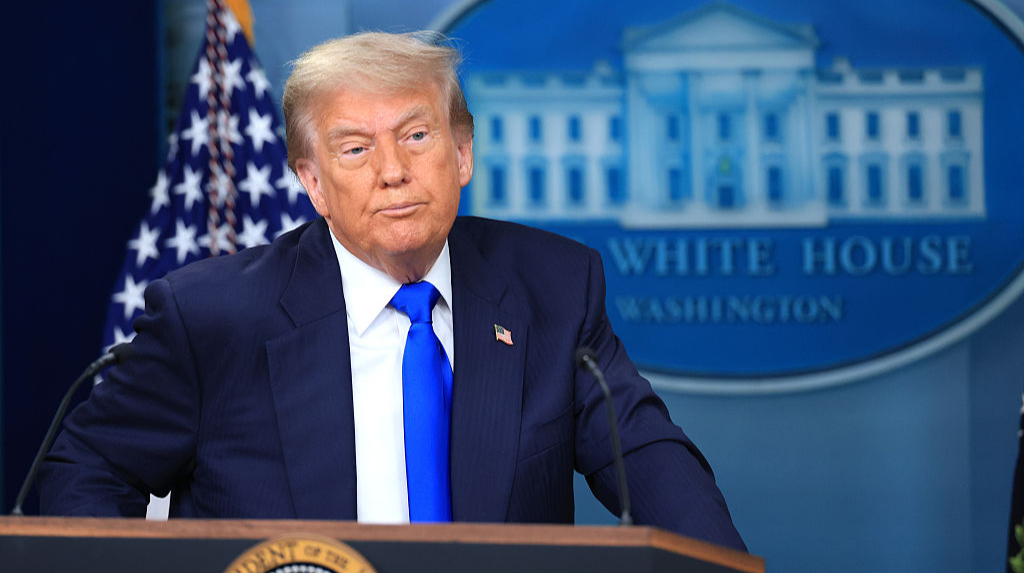
US President Donald Trump described the visit as “very semi-routine” but added that “something may come out of it.” In an Axios interview, Trump denied Ratcliffe delivered any warning about attacking NATO, saying “there was no message and there was nothing unusual.” Trump dismissed concerns about Russian aggression against NATO territory, stating he is “not concerned at all.” European leaders have warned that the Kremlin could seek to test NATO’s resolve and Trump’s commitment to Article 5.
Meanwhile, US Democratic Senator Richard Blumenthal, co-author of a bipartisan sanctions bill against Russia, expressed hope that the legislation would pass in September 2026. Speaking in Kyiv on 26 August, Blumenthal said the bill enjoys strong Republican support and would impose “scorching” secondary sanctions on oligarchs, financial institutions, and the shadow fleet. Passage remains uncertain pending White House approval after talks with the US trade representative.
The Ratcliffe visit marks the highest-level US intelligence engagement with Moscow since the war began. Whether Putin will reconsider the summit proposal or reduce support for Iran remains an open question. European allies are watching closely, as Trump’s dismissive stance on NATO threats contrasts with the warnings Ratcliffe delivered in Moscow.
Sources: Ukrainska Pravda, Ukrainska Pravda, Ukrainska Pravda, Ukrainska Pravda, Ukrainska Pravda, Ukrainska Pravda
Sources
- Trump on CIA chief's Moscow visit: "Something may come out of it" August 26, 2026
- US Senator Blumenthal hopes Graham bill on sanctions against Russia will pass in September August 26, 2026
- CIA chief in Moscow warned Russia against actions that could escalate tensions with Baltic states – Politico August 27, 2026
- CIA chief did not threaten Russia with consequences over continuing war during Moscow visit – NYT August 27, 2026
- Trump says he is not concerned about possible Russian attack on NATO countries August 27, 2026
- CIA chief proposed summit involving Trump, Zelenskyy and Putin – Axios August 30, 2026
Part of the dossier
US-Russia Relations and CIA Visit →