CIA Chief Warned Moscow on Baltic NATO Allies as US Weighs Sanctions Push
CIA Director John Ratcliffe warned Russia against escalating tensions with NATO's Baltic states during a visit to Moscow. Meanwhile, US Senator Blumenthal says a bipartisan sanctions bill could pass in September, pending White House support.
CIA Director John Ratcliffe’s visit to Moscow on 25 August 2026 carried a stark dual message: Washington wants to avoid a direct clash with Russia over NATO’s eastern flank, but it is also preparing a legislative stick if the Kremlin does not change course.
According to a Politico report citing unnamed sources and a British official, Ratcliffe urged Russian officials not to take actions that could escalate tensions with NATO allies Estonia, Latvia and Lithuania. He also pressed Moscow to reduce its military and economic support for Iran. The warning came amid a string of recent Russian threats against NATO countries backing Ukraine, raising fears in Western capitals that Moscow could resort to hybrid warfare or even limited military action against alliance members.
One source familiar with the meeting told Politico: “His meeting was primarily to warn Russia against any escalatory action against the Baltic states.” The trip echoed a similar but ultimately futile warning by then-CIA Director Bill Burns to Vladimir Putin in late 2021, three months before Russia invaded Ukraine.
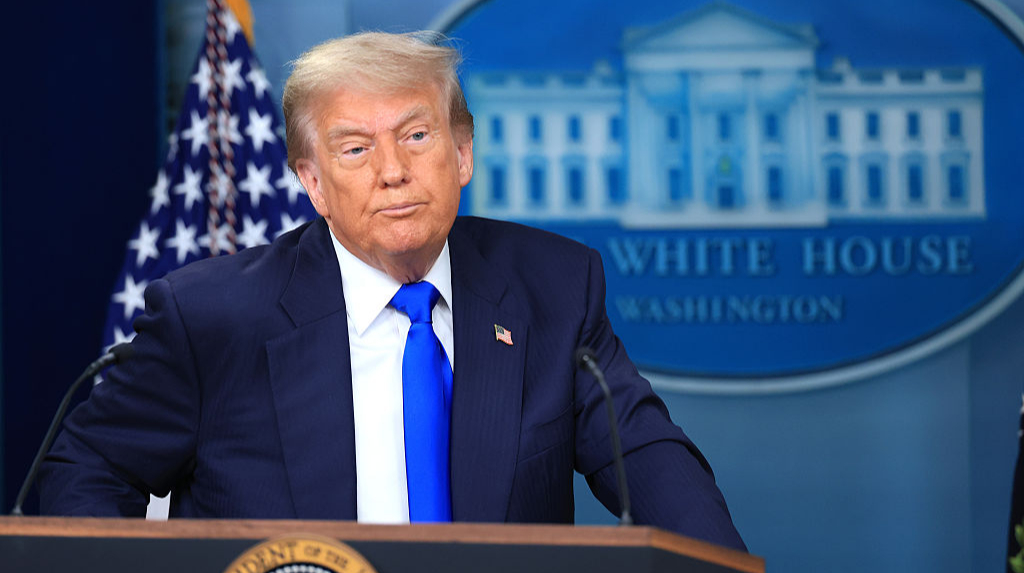
President Donald Trump characterised the visit on 26 August as “very semi-routine” but added that “something may come out of it” regarding ending the war in Ukraine. Speaking to Sky News via European Pravda, Trump said his administration is “working very hard” to end the conflict. The Kremlin confirmed the visit was related to contacts between Russian and US intelligence services.
The Wall Street Journal had earlier reported that Ratcliffe travelled to Moscow after US intelligence detected signs that Russia was making early preparations for a possible military mobilisation. The US also asked Ukraine to suspend strikes on Russia during the delegation’s visit, though no details on Kyiv’s response have emerged.
While Ratcliffe’s warning was delivered in private, the US Congress is moving forward with a public, legislative response. US Democratic Senator Richard Blumenthal, co-author of a bipartisan sanctions bill against Russia, told a press conference in Kyiv on 26 August that he hopes the bill will pass in September 2026. The bill cleared the Senate on 7 August with 86 votes in favour, but requires approval from the House of Representatives and a signature or at least no veto from President Trump.
Blumenthal described the proposed measures as “scorching in its secondary sanctions” and targeting oligarchs, financial institutions, industries, evasion enablers and the shadow fleet used to circumvent existing restrictions. He noted that the delay in the House is linked to “the need for a green light from the White House” after lengthy talks with the US trade representative and party leadership.
“I’m very hopeful that there will be a determination to pass it then,” Blumenthal said, adding that the bill enjoys strong Republican support.
Together, Ratcliffe’s Moscow mission and the pending sanctions legislation illustrate a two-track US strategy: direct deterrence against escalation with NATO allies, paired with economic pressure designed to constrain Russia’s warfare capacity. Whether the carrot or the stick will prove more effective – and whether Trump will ultimately sign the sanctions bill – remains uncertain.
The visit and the legislative push come as the war in Ukraine approaches its fourth year, with neither side showing signs of a decisive breakthrough. For European readers watching the US political process, the key question is whether Washington can maintain a unified front that simultaneously reassures Baltic allies and keeps the door open to a negotiated settlement – however remote that prospect may be.
Sources
- Trump on CIA chief's Moscow visit: "Something may come out of it" August 26, 2026
- US Senator Blumenthal hopes Graham bill on sanctions against Russia will pass in September August 26, 2026
- CIA chief in Moscow warned Russia against actions that could escalate tensions with Baltic states – Politico August 27, 2026
Part of the dossier
US-Russia Relations and CIA Visit →