CIA Director Ratcliffe in Moscow: US asked Ukraine to pause strikes amid fears of Russian mobilisation
CIA Director John Ratcliffe made an unannounced visit to Moscow on 25 August, the first by a CIA chief since 2021. The US asked Ukraine to refrain from striking Moscow and St Petersburg during the trip. Reports indicate the visit was prompted by US intelligence that Russia may be preparing a new military mobilisation.
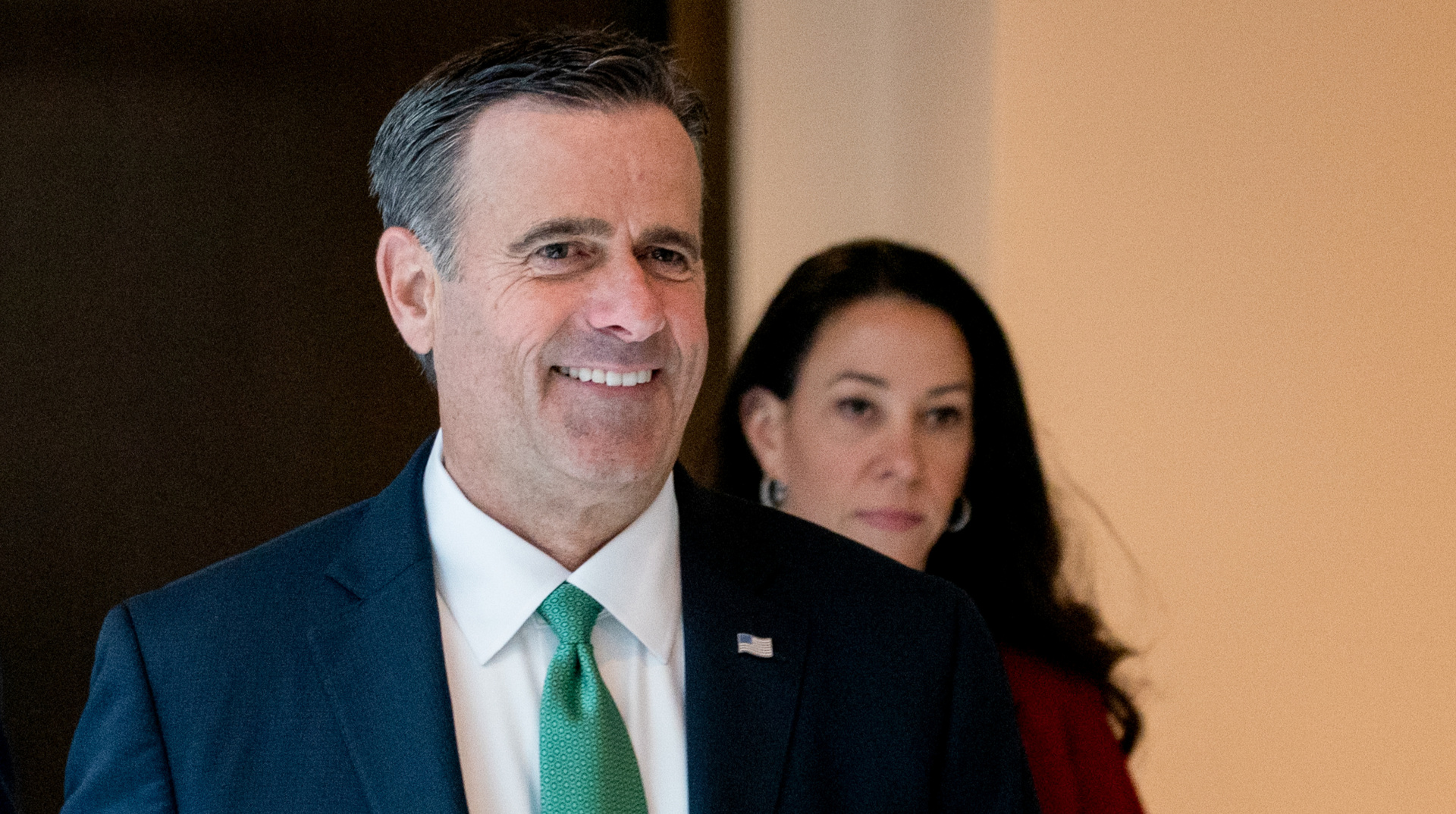
CIA Director John Ratcliffe made an unannounced visit to Moscow on 25 August 2026 – the first by a CIA chief since November 2021 – and the United States asked Ukraine to temporarily halt strikes on Moscow and St Petersburg while the US delegation was in the Russian capital, according to multiple sources.
A source familiar with the situation told Axios that Washington informed Kyiv ahead of Ratcliffe’s trip that a senior delegation was heading to Moscow and requested a pause in strikes until the delegation left. Ukrainian government sources later confirmed to Suspilne that the request covered both Moscow and St Petersburg.
The request underscores the delicate balancing act the Trump administration is performing: maintaining support for Ukraine’s defence while keeping a direct line open to Moscow. Ratcliffe’s trip was first reported after a US Air Force Boeing C-17A Globemaster III and a convoy of US diplomats were spotted at a Moscow airport.
Why Ratcliffe went
The Wall Street Journal reported on 25 August that Ratcliffe’s visit was prompted by US intelligence indicating that Russia was making “early preparations for a possible military mobilisation” for its war against Ukraine and had plans to test NATO’s resolve. Analysts suggested Ratcliffe may have met with President Vladimir Putin to deliver a warning – though the Kremlin later said no such meeting took place.
Kremlin spokesman Dmitry Peskov told reporters on 26 August that Ratcliffe “met with the Russian intelligence services” but not with Putin. “There were no meetings with the president of Russia,” Peskov said, as quoted by the BBC. He added that Putin was “briefed immediately about everything” but declined to discuss the topics of the talks. Peskov described contacts between intelligence agencies as “a positive phenomenon” that often continue “even during the most difficult moments” in bilateral relations.
Historical echo
The last time a CIA director visited Moscow was November 2021, when William Burns travelled to warn the Kremlin that the US knew Russia was preparing a full-scale invasion of Ukraine. Weeks later, Russia launched its war on 24 February 2022. The parallel is not lost on analysts: Ratcliffe’s trip may have been an attempt to convey a similar deterrent message – this time about the consequences of a new mobilisation or escalation against NATO.
What it means for Ukraine
For Ukraine, the US request to pause strikes is a tactical concession that temporarily limits one of its most effective tools – long-range drone and missile attacks on Russian military infrastructure in and around Moscow and St Petersburg. Ukrainian officials have not publicly confirmed they complied, but the fact that no major strikes were reported from those cities during Ratcliffe’s visit suggests Kyiv accommodated the request.
The pause is likely short-lived. The US delegation was expected to depart on 26 August, after which Ukraine is free to resume operations. The incident highlights the degree to which Washington still coordinates with Kyiv on targeting decisions, even as it pursues direct diplomacy with Moscow.
Broader context
Ratcliffe’s visit comes amid a flurry of diplomatic activity. On 1 August, US Secretary of State Marco Rubio said diplomatic efforts would be made in the coming weeks to determine whether peace negotiations could be restarted. Meanwhile, reports that Trump’s special representatives Steve Witkoff and Jared Kushner would visit Kyiv on Ukraine’s Independence Day did not materialise.
The Kremlin’s confirmation of intelligence-to-intelligence contacts, while refusing to discuss substance, leaves open the question of whether the US delivered a warning about Russia’s reported mobilisation plans or discussed a potential ceasefire framework. What is clear is that the backchannel remains active – and that Washington is willing to ask Kyiv to hold fire for a day to keep it that way.
Sources
- Axios: US asks Ukraine not to strike Russia while CIA director is there August 25, 2026
- Putin adviser claims Ukraine planned to invade Russia on 8 March 2022, so Russia attacked first August 25, 2026
- Ukraine clarifies that Washington asked it not to attack Moscow and St Petersburg during CIA chief’s visit August 25, 2026
- Finnish president on winter in Ukraine: we need to be prepared for the worst-case scenario August 25, 2026
- WSJ learns likely reason for CIA director’s visit to Moscow August 25, 2026
- CIA chief met Russian intelligence services but not Putin, Kremlin says August 26, 2026
Part of the dossier
US asks Ukraine to pause strikes on Russia during CIA director's Moscow visit →