Corruption Scandal Engulfs Ukraine's Prosecutor General's Office: Call Centre Protection Allegations and Asset Scrutiny
Allegations that a department head in Ukraine's Prosecutor General's Office protected fraudulent call centres have prompted internal checks by Prosecutor General Kravchenko, who also faces scrutiny over his own assets. The scandal threatens Kyiv's anti-corruption credibility with Western partners.
A corruption scandal is shaking Ukraine’s Prosecutor General’s Office (PGO), with fresh allegations that a department head organised protection for fraudulent call centres, while Prosecutor General Andriy Kravchenko faces mounting questions over his personal assets.
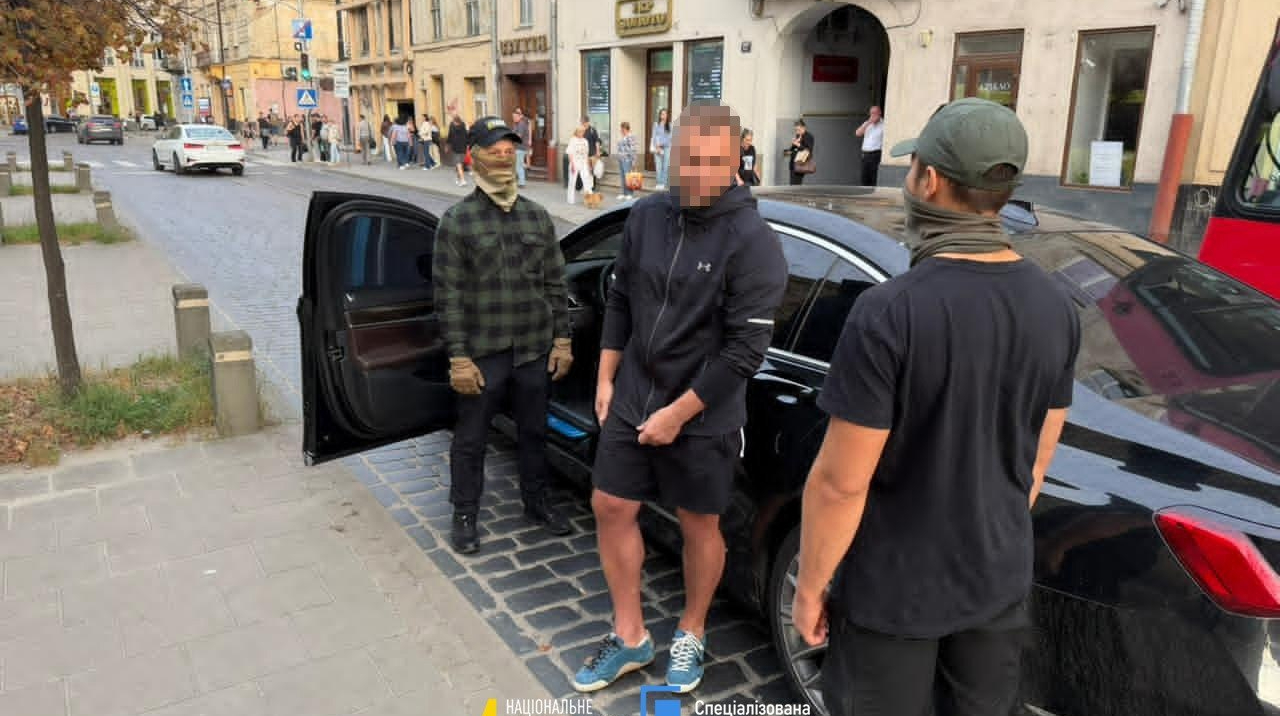
The accusations, first reported by Ukrainska Pravda on 5 September, centre on an unnamed department head within the PGO who is alleged to have provided cover for a network of scam call centres that defrauded victims across Europe. The outlet published photographic evidence purporting to show the official meeting with individuals linked to the call centres, though the images have not been independently verified. The call centres are believed to have operated from Ukraine, using deceptive tactics to extract money from victims in EU countries.
Prosecutor General Kravchenko responded swiftly on 6 September, denying any personal involvement. In a statement reported by Ukrainska Pravda, he said he had ordered an internal investigation and that “if evidence of wrongdoing is found, the perpetrators will be held accountable in accordance with the law.” Kravchenko stressed that the alleged scheme was the work of a single official, not a systemic failure, but the scandal has nonetheless cast a shadow over the PGO’s anti-corruption credentials.
The timing is awkward for Ukraine. The country is under intense pressure from Western partners to curb graft as a condition for continued military and financial aid. The PGO is a key institution in prosecuting high-level corruption, and any suggestion that its own staff are complicit in criminal enterprises undermines trust in the entire justice system.
Separately, Kravchenko has been forced to address scrutiny of his own wealth. In a 6 September interview with Ukrainska Pravda, he commented on a recently purchased house, a photograph of a safe full of cash that circulated online, and his wife’s visa status. Kravchenko insisted the house was bought with legitimate savings and loans, and that the safe photo was from a different context—though he did not specify what context. He also said his wife’s visa was for a family trip and nothing unusual. These explanations have done little to quell scepticism among anti-corruption activists, who note that Kravchenko’s declared income does not match the value of the property.
The two strands of the story—the call centre protection scheme and Kravchenko’s personal finances—are not directly linked by evidence, but together they paint a picture of an institution struggling to maintain its integrity. The PGO has long been criticised for opaque internal practices and a lack of transparency around prosecutors’ assets.
For now, the internal checks ordered by Kravchenko are the only official response. But the National Anti-Corruption Bureau of Ukraine (NABU) may also take an interest, given the cross-border nature of the call centre fraud. European partners, who have provided training and equipment to Ukraine’s anti-corruption bodies, will be watching closely.
What this means for the war effort: corruption in the PGO does not directly affect front-line operations, but it erodes the public trust that Ukraine needs to maintain societal resilience. It also gives ammunition to critics in Western capitals who argue that Kyiv is not doing enough to clean up its institutions. As the war grinds on, the battle against internal rot is as important as the fight against Russia.
Sources
- Prosecutor General's Office department head organised "protection" for fraudulent call centres – photo September 5, 2026
- Ukraine's prosecutor general denies involvement in alleged protection of scam call centres and orders internal checks September 6, 2026
- Prosecutor General Kravchenko comments on new house, money safe photo and wife's visa September 6, 2026
Part of the dossier
Ukrainian Prosecutor General's Office Corruption →