Drone Attacks Reach Deep into Russia: Moscow and Yaroslavl Hit as Air Defenses Scramble
Drones attacked Moscow and Yaroslavl Oblast on 28 August, forcing the closure of a major motorway and triggering Russian air defenses. The strike fits a pattern of deeper Ukrainian drone operations targeting infrastructure, fuel terminals, and chemical plants.
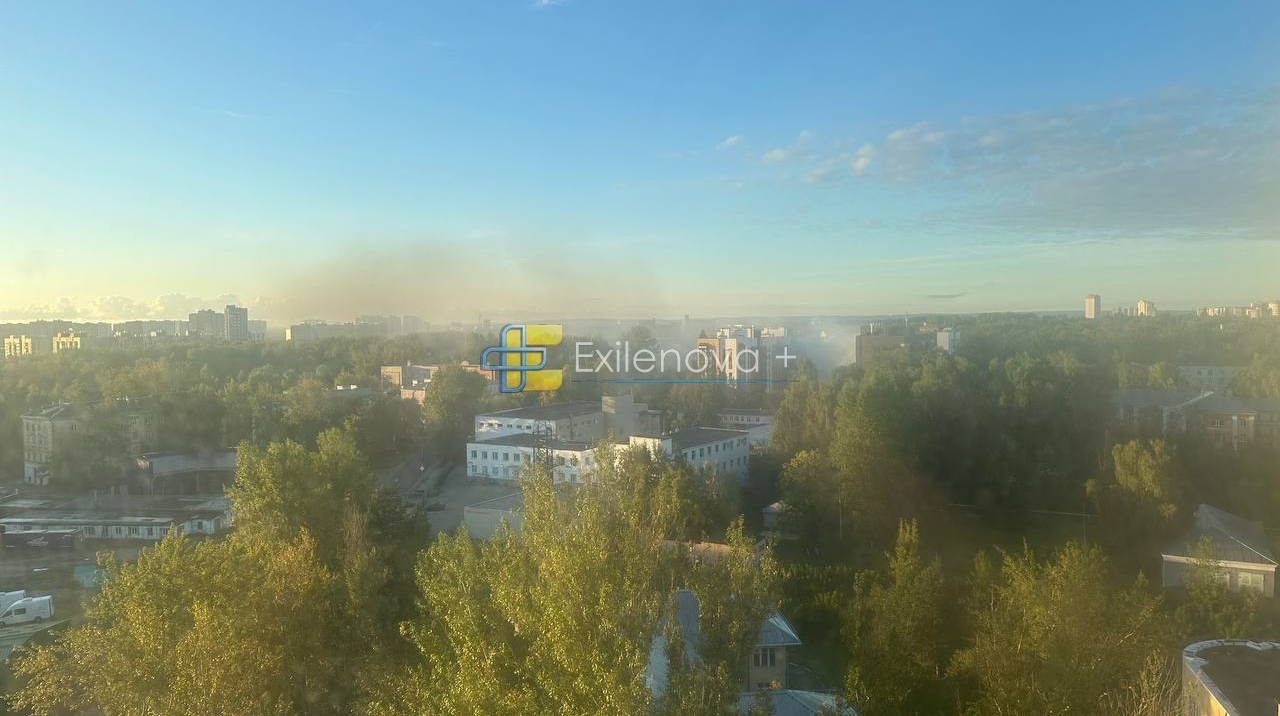
Russian authorities reported a coordinated drone attack on the morning of 28 August targeting the city of Moscow and Yaroslavl Oblast, forcing the closure of a major motorway and triggering air defense responses. The strike underscores Ukraine’s growing ability to reach deep into Russian territory, escalating a campaign that has recently hit fuel terminals and chemical plants.
Yaroslavl Oblast Governor Mikhail Yevrayev confirmed a “drone threat” in the region and said that units from the Russian Defence Ministry and security agencies were working to repel the attack, according to Ukrainska Pravda. A section of the M8 motorway connecting Yaroslavl to Moscow was closed to traffic, and some public transport routes in Yaroslavl were rerouted or shortened. Yevrayev did not specify which facilities were targeted, but the Russian media outlet Astra reported that photographs on social media showed shattered windows in some buildings.
In Moscow, Mayor Sergei Sobyanin claimed that air defense systems had shot down two drones flying toward the Russian capital. “Two UAVs flying towards Moscow were destroyed by the Defence Ministry's air defence system,” Sobyanin said, adding that emergency services were working at the site where debris fell. Separately, black smoke was seen rising over Pavlovsky Posad in Moscow Oblast, though authorities did not explain the cause.
A red alert level was also declared in Vladimir and Ivanovo oblasts, as well as in the southeast of Moscow Oblast, suggesting the attack may have involved multiple waves or diversions.
The 28 August attack fits a pattern of Ukrainian long-range drone operations targeting Russian military infrastructure deeper inside the country. On 9 September, a drone strike hit a fuel oil terminal in the Black Sea port of Novorossiysk, sparking a fire, Ukrainska Pravda reported. Two days later, on 11 September, a chemical plant in Perm Krai was also targeted by drones, according to the same outlet.
Strategically, these attacks serve multiple purposes: they stretch Russian air defense resources, disrupt logistics and supply chains, and impose psychological costs on a Russian public that has largely been shielded from the war’s direct consequences. The choice of targets—infrastructure linking Moscow to the industrial Urals, fuel depots, and chemical facilities—suggests a deliberate effort to degrade Russia’s war economy and transport networks.
While Ukrainian officials have not formally claimed responsibility for the Moscow-Yaroslavl attack, Kyiv has previously acknowledged using domestically produced drones capable of reaching targets over 1,000 kilometers from its border. The Russian Defense Ministry routinely describes such strikes as “terrorist attacks” and reports intercepting most drones, but independent verification is scarce.
No casualties have been reported from the 28 August incident. The open questions remain: exactly what was hit near Pavlovsky Posad, what types of drones were used, and how deep into the Russian hinterland the next wave will go.
Sources
Part of the dossier
Drone Attack on Moscow and Yaroslavl Oblast →