Estonia Signals Readiness to Seal Border If Russia Mobilises, as New Defence Minister Urges Bold Ukraine Aid
Estonian PM Kristen Michal says Estonia can close its border with Russia 'immediately' if Moscow announces mobilisation, as the foreign minister confirms security cabinet discussions on the scenario. Meanwhile, the incoming defence minister warns that fear of mistakes must not hinder military aid to Ukraine.
Estonia is preparing for the worst. Prime Minister Kristen Michal said on 17 September that Tallinn is ready to close its border with Russia immediately if the threat assessment changes – for instance, if Moscow announces a new wave of mobilisation. The statement, made at a joint press conference with Foreign Minister Margus Tsahkna, underscores how seriously the Baltic state views the Kremlin’s war against Ukraine and the spillover risks for NATO’s eastern flank.
“There is nothing mysterious or extraordinary about this,” Michal told reporters, according to Estonian public broadcaster ERR (Ukrainska Pravda). “It is no news to anyone that things are going very badly in Russia. There isn’t a single healthy part of their economy and 30,000 to 40,000 men are killed or wounded every month. At some point, they will have to take steps to keep the war going and NATO and European Union countries need to be prepared.”
Tsahkna confirmed that Estonia’s security cabinet had already discussed such scenarios. He referred to a recently leaked cabinet memo titled “Cabinet memo: Mobilisation in the Russian Federation” as evidence that the government is systematically war-gaming Russian moves. “In the security cabinet, we discussed issues related to Estonia’s security… If Russia announces general mobilisation, that would certainly be a significant move that would increase internal tensions in the Russian Federation,” Tsahkna said. He called Russia “our main, or even our only real source of security threat.”
The comments come days after the same foreign minister’s team experienced first-hand the consequences of Russian attacks: on 13 September, while crossing the Ukrainian-Polish border, his delegation faced delays caused by a Russian strike on infrastructure nearby (Ukrainska Pravda). The incident, though not directly linked to border closures, illustrates the fluid and dangerous environment along NATO’s eastern frontier.
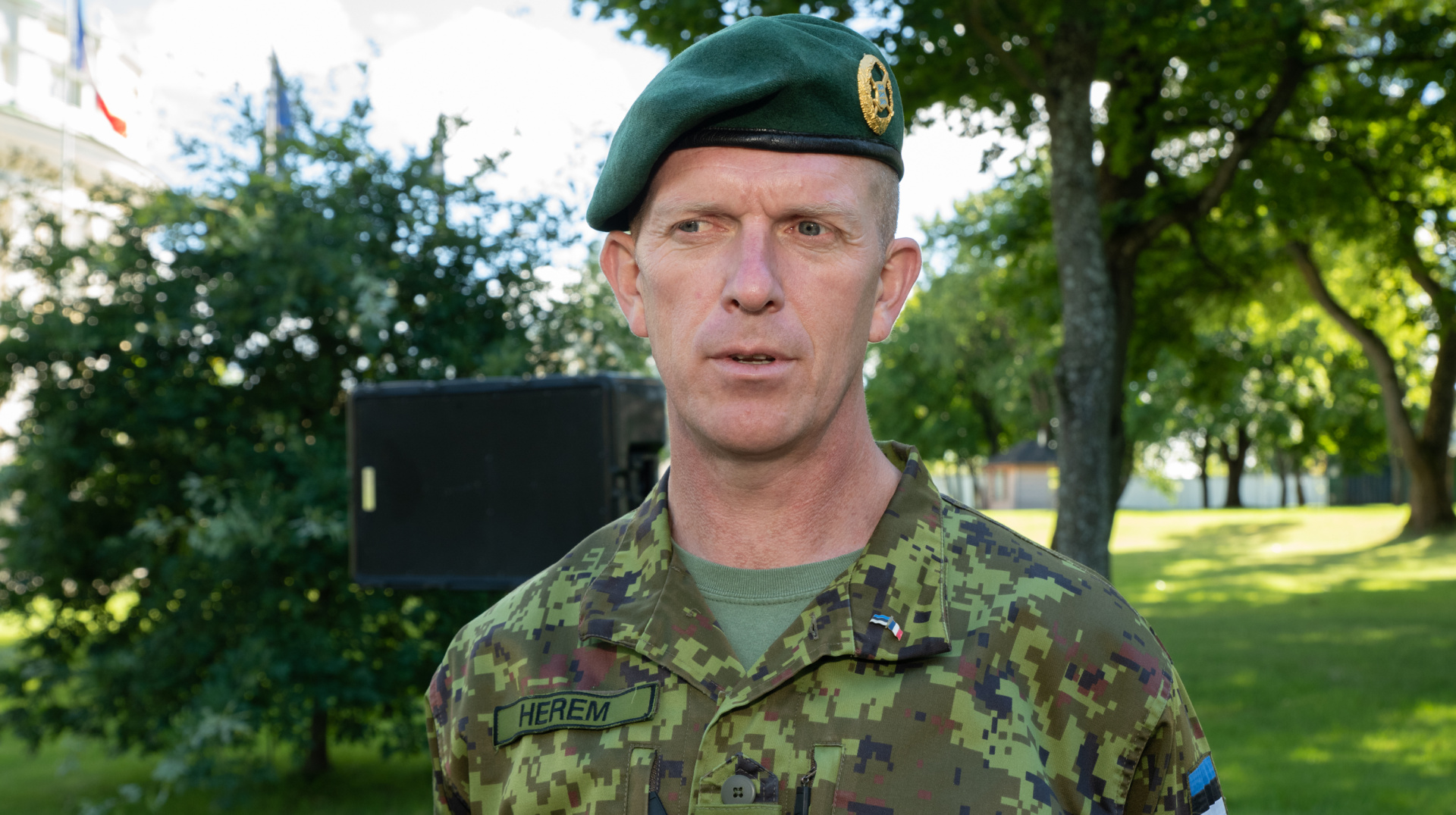
Separately, Estonia’s incoming defence minister – whose name was not given in the available sources – struck a different but complementary note on 12 September. “Fear of mistakes must not stop us helping Ukraine,” he told Ukrainska Pravda (Ukrainska Pravda). The remark signals that Tallinn intends to maintain or even accelerate military aid deliveries despite the risks of escalation or logistical errors. Estonia has been one of Ukraine’s most steadfast supporters relative to GDP, providing artillery shells, anti-tank weapons, and training.
Why This Matters for Ukraine and Europe
Estonia’s readiness to shut the border immediately is not a routine bureaucratic plan. It is a concrete signal to both Moscow and Kyiv that Tallinn will not hesitate to use sovereign measures to protect its territory if the Kremlin escalates. For Ukraine, it means that even as the war grinds into its third year, frontline states like Estonia remain committed – and are actively planning for worst-case scenarios that could include a broader Russian mobilisation.
For European readers, the Estonian stance is a reminder that the war’s ripple effects are not confined to the Donbas or the Black Sea. A Russian mobilisation would likely trigger a humanitarian and security crisis on the EU’s external border, and Tallinn is already preparing the legal and physical mechanisms to respond. The fact that the security cabinet discussed the leaked memo indicates that intelligence sharing and scenario planning are already advanced.
What Remains Unclear
The Estonian government has not specified exact conditions that would trigger a border closure beyond “if Russia announces mobilisation.” It is also unclear whether the leaked cabinet memo was an official planning document or a draft. Neither Michal nor Tsahkna provided a timeline for when the border might close, only that it could happen “immediately.”
What is clear is that Estonia is not waiting for events to unfold. As Michal put it: “NATO and European Union countries need to be prepared and communicate accordingly.”
Sources
- Estonia ready to close border immediately if Russia announces mobilisation September 17, 2026
- Future Estonian defence minister: Fear of mistakes must not stop us helping Ukraine September 12, 2026
- Estonian foreign minister says Russian attack made it harder for his team to cross Ukrainian-Polish border September 13, 2026
Part of the dossier
Estonian Defence and Ukraine Aid →