EU Condemns Russia’s ‘State-Sponsored Terrorism’ as July and August Become Deadliest Months for Ukrainian Civilians
EU foreign policy chief Kaja Kallas says July and August 2026 were the deadliest months for Ukrainian civilians since the full-scale war began. EU foreign ministers met in Ireland to discuss the Leipzig drone incident, new sanctions against 1,600 Russian-linked entities, and urgent air-defence supplies for Ukraine ahead of a potentially catastrophic winter.
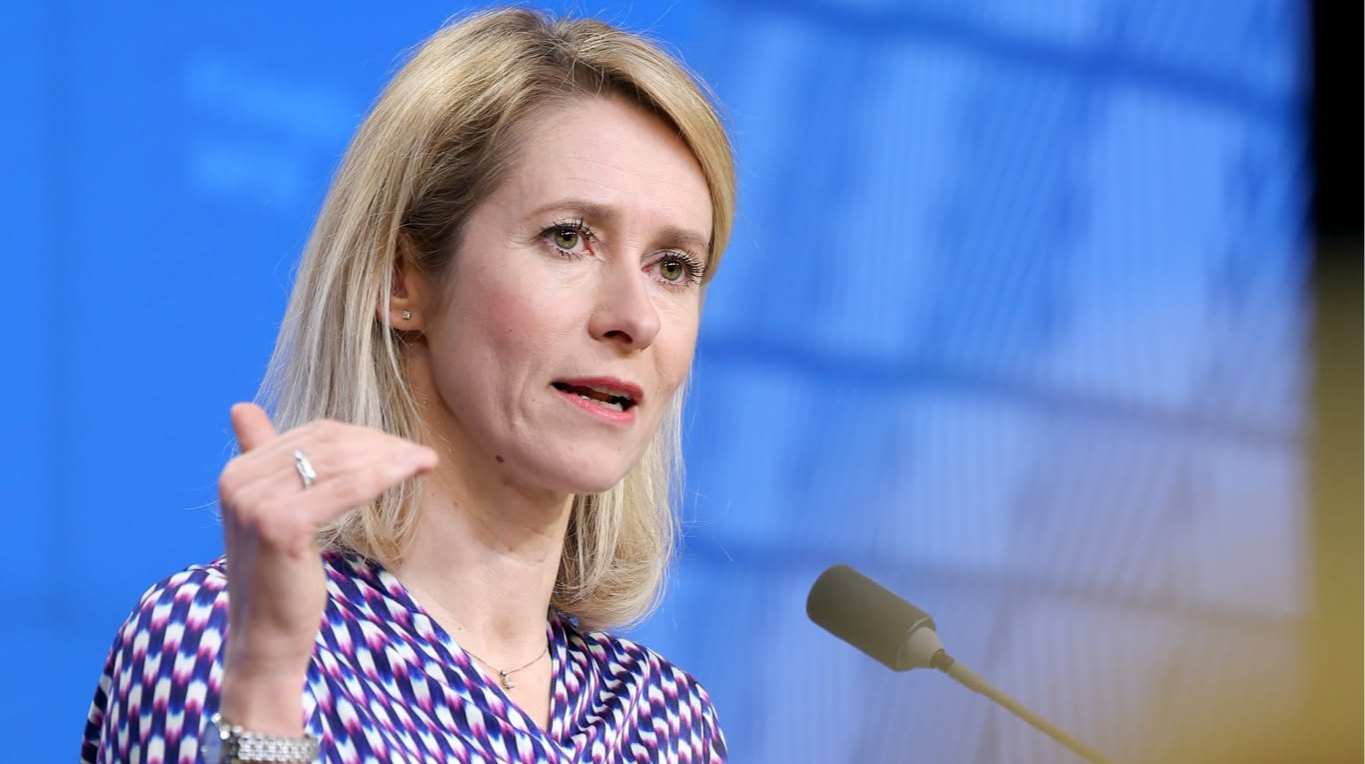
European Union foreign policy chief Kaja Kallas has described July and August 2026 as the deadliest months for Ukrainian civilians since the start of Russia’s full-scale invasion, as EU foreign ministers gather in Ireland to discuss a fresh raft of sanctions and a response to an attempted Russian drone attack on German soil.
“July and August have been the deadliest months for the civilians in Ukraine. So Russia is really escalating to hurt the people of Ukraine as much as possible and to break them,” Kallas told journalists on 1 September, according to a video posted by the Ukrainian parliament. She did not provide a precise death toll, but European Commissioner for Enlargement Marta Kos later put the July figure alone at 436 civilians killed and more than 2,000 wounded, citing UN data Source: Ukrainska Pravda, 2 September.
The spike in civilian casualties comes as Russia intensifies its aerial bombardment of Ukrainian cities and energy infrastructure ahead of winter. Kallas stressed that Ukraine’s “biggest challenge” remains a shortage of interceptor missiles for its air-defence systems. She urged EU member states and partner countries to provide Kyiv with interceptors that are “nearing the end of their service life” but still operational Source: Ukrainska Pravda, 1 September.
Leipzig drone incident and new sanctions
On 2 September, EU foreign ministers met informally in Wicklow, Ireland, with the attempted Russian drone attack on Leipzig/Halle Airport high on the agenda. A Russian drone carrying explosives was discovered at the airport, an incident Kallas described as bearing “all the hallmarks of state-sponsored terrorism.”
“First, of course, everybody will discuss the Leipzig attacks. … The question is, what do we do about this? We have already summoned the Russian ambassador … And we will discuss what more we can do,” Kallas said ahead of the meeting Source: Ukrainska Pravda, 2 September.
The EU’s top diplomat confirmed that the European Commission is preparing to add 1,600 individuals and entities to the bloc’s sanctions lists, all directly linked to Russia’s military-industrial complex. “And maybe there are more to be added,” she added. Because the meeting is informal, no binding decisions will be taken, but the discussions are expected to shape a formal sanctions package in the coming weeks.
Winter preparations and air-defence push
Alongside the sanctions debate, EU ministers and representatives from the UK, Switzerland, Norway, Canada and Iceland discussed how to help Ukraine survive what Kos warned could be “the worst ever” winter. Russia has systematically targeted Ukraine’s power grid in previous winters, and the current escalation suggests a repeat strategy.
Kallas reiterated that the EU is “doing the outreach for countries outside the EU to get the interceptors to protect the civilians.” Bloomberg reported last week that NATO and the EU are pressing Spain and Greece – which hold large stocks of Patriot interceptor missiles – to sell them to Norway so that Norway can transfer them to Ukraine Source: Ukrainska Pravda, 1 September.
Why this matters
The convergence of peak civilian casualties, a drone incident inside Germany, and a record sanctions list signals that the EU is shifting from reactive condemnation to a more aggressive posture against what it now openly calls state-sponsored terrorism. For European readers, the Leipzig incident underscores that the war is no longer confined to Ukrainian territory. For Ukraine, the urgent need for interceptors – and the political will to supply them – will determine how many civilians survive the coming months.
Ukrainian Foreign Minister Andrii Sybiha also attended the Wicklow meeting, underlining Kyiv’s push for faster weapons deliveries and tougher sanctions. The EU’s ability to turn discussion into decision will be tested in the weeks ahead.
Sources
- July and August were the deadliest months for Ukrainians – EU foreign policy chief September 1, 2026
- EU to discuss Leipzig incident and new sanctions against Russia on 2 September September 2, 2026
- EU and its partners to discuss Ukraine's preparations for winter, which could be "the worst ever" September 2, 2026
Part of the dossier
Russia-Ukraine War: Civilian Casualties →