EU deadlocked on Israeli settlement sanctions as Kyiv waits on air defence commitments
EU ministers agreed on a Lebanon support mission but remain split on settlement trade sanctions and air defence for Ukraine. Poland says it will not block Ukraine’s EU accession talks.
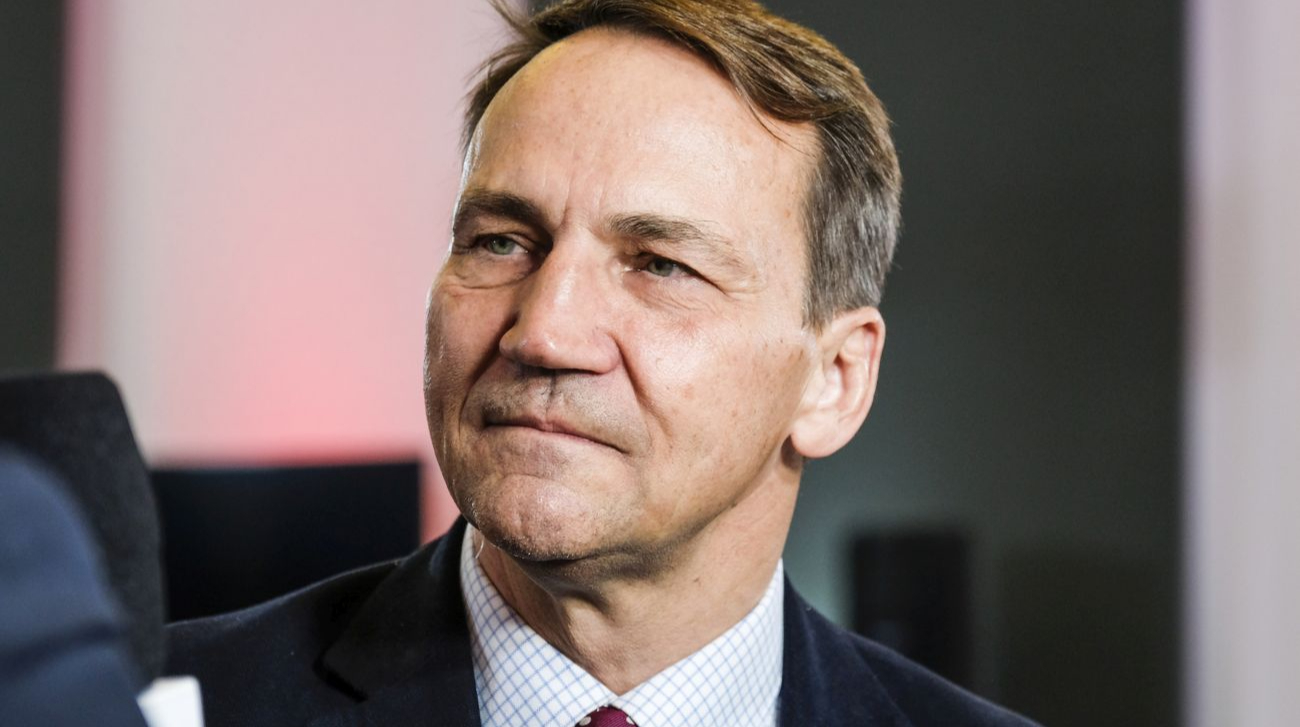
European Union foreign ministers ended an informal summit in Wicklow, Ireland, on 2 September with agreement on a mission to support Lebanon’s army, but remained split over trade sanctions targeting illegal Israeli settlements and over how to deliver urgently needed air defence systems to Ukraine, Al Jazeera reported from the meeting.
Lebanon mission agreed
The ministers announced they would deploy a civilian mission to help Lebanon’s armed forces secure its borders and maintain internal stability. The decision was the summit’s only concrete outcome and was welcomed by Beirut, which has struggled with a prolonged political and economic crisis. No further details on the size or timeline of the mission have been released yet.
Sanctions stalemate
On the question of restricting trade with illegal Israeli settlements in the occupied West Bank, the bloc remained at an impasse. Ireland, Spain, Belgium and the Netherlands led the push for EU-wide restrictions on goods produced in settlements, with Irish Foreign Minister Helen McEntee arguing that the EU must be consistent in upholding international law. “We should be moving collectively … It is not credible for us to say we should uphold international law in one form and not do it in the other,” McEntee told the Al Jazeera correspondent Peter Smith in Wicklow.
Ireland was the first EU member state to ban imports from settlements at national level and recognised a Palestinian state in 2024. It has also pressed for a review of the 2000 EU-Israel Association Agreement, which underpins bilateral trade.
Opposing any sanctions were Germany, Austria, Czechia and Hungary, who argued that such measures would damage diplomatic channels with Israel, according to Smith’s reporting. The EU is Israel’s largest trading partner; bilateral trade in goods reached nearly $50bn last year, up from roughly $45bn in 2023, according to EU statistics cited by Al Jazeera.
Air defence for Ukraine – still no consensus
Separately, the ministers failed to resolve persistent disagreements over supplying air defence systems to Ukraine. Kyiv has been pressing its allies for additional Patriot and IRIS-T batteries as Russian missile and drone strikes continue to target energy infrastructure and civilian areas across the country. Multiple EU capitals, led by Germany and the Netherlands, have urged faster deliveries, while others remain wary of depleting their own stocks or escalating the conflict with Moscow. No decision was announced at the Wicklow meeting.
Positive signal from Warsaw on Ukraine’s accession
On a more optimistic note for Kyiv, Poland’s foreign minister confirmed on 13 September that Warsaw will not block the opening of EU negotiating clusters for Ukraine, Ukrainska Pravda reported. Poland, a staunch supporter of Ukraine but at times at odds with Kyiv over agricultural imports and historical memory, had been seen as a potential obstacle to the next stage of accession talks. The announcement clears one hurdle as Ukraine seeks to begin formal negotiations on the rule of law chapters, a process that could take years.
What this means
The Wicklow summit laid bare the EU’s familiar fault lines: a north-south divide on Israel-Palestine policy, and a broader reluctance to commit new military resources to Ukraine even as the war enters its third year. The Lebanon mission is a useful but limited step. The deadlock on settlement sanctions suggests any EU-wide trade restrictions on Israel remain distant, though individual member states may continue to act unilaterally. On Ukraine, the lack of consensus on air defence leaves Kyiv dependent on bilateral deals and on Washington’s continued supply of Patriot batteries, which remain the most effective shield against Russian ballistic missiles. Poland’s green light on accession talks, while welcome, does little to address the immediate shortage of interceptors.
Sources
Part of the dossier
EU Foreign Policy on Israel and Ukraine →