EU enlargement faces twin tests: Hungary blocks Ukraine clusters, Russia warns Armenia
Hungary blocked approval of EU negotiating clusters for Ukraine and Moldova on 1 September, while Russia's Putin warned Armenia against pursuing EU membership. EU enlargement commissioner Kos insists Ukraine has done its part and expects all clusters to open soon, but internal and external hurdles remain.
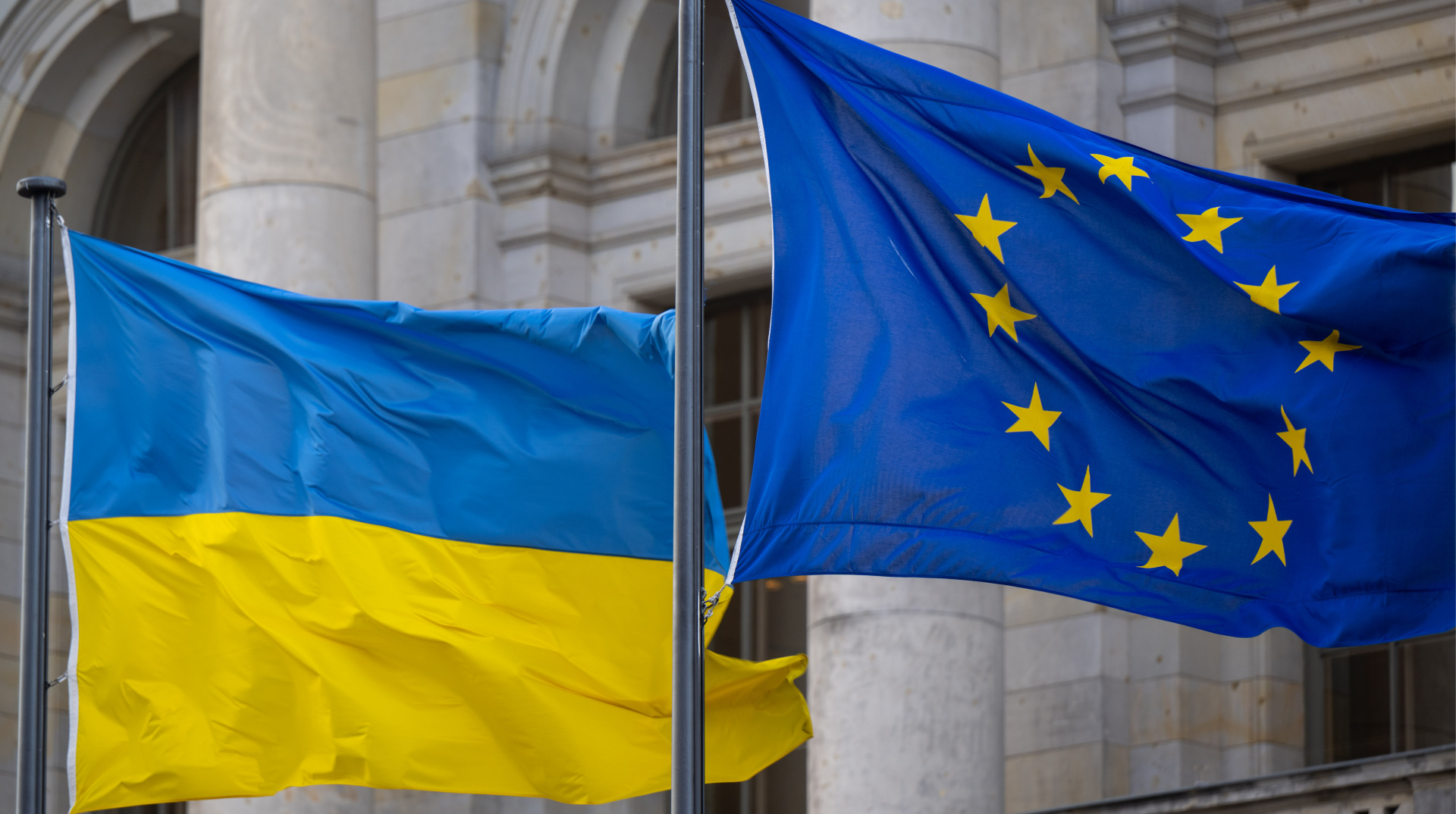
The European Union's enlargement process hit a familiar obstacle on 1 September when Hungary again refused to approve the screening results for negotiating clusters 2 and 3 for Ukraine, while simultaneously Russia's Vladimir Putin warned Armenia's prime minister that pursuing EU membership could disrupt bilateral trade. The developments underscore the geopolitical and internal hurdles that continue to slow the bloc's expansion eastward.
Hungary's block on Ukraine and Moldova
On 1 September, the EU's Working Party on Enlargement and Countries Negotiating Accession to the EU (COELA) met to consider the screening results for clusters 2 and 3 – the internal market and competitiveness – for both Ukraine and Moldova. According to European Pravda, sources in Brussels had expected the meeting to approve the results and launch formal preparations for opening the clusters. But Hungary again withheld its consent, demanding that Kyiv take specific steps to protect the rights of the Hungarian national minority in Ukraine.
This was the second time Budapest blocked the same clusters. A previous attempt on 22 July failed for the same reason, with Hungary only willing to greenlight cluster 3 for Moldova. The pattern is a clear signal that Hungary is using its veto power within the EU's intergovernmental framework to extract concessions on minority issues, a tactic it has employed before in other contexts.
Ukraine opened negotiating cluster 6 (External Relations) on 14 July in Brussels – a milestone that then-deputy prime minister Taras Kachka said would not be followed by a summer pause. Yet the delay on clusters 2 and 3 means that Ukraine's accession roadmap remains partially blocked.
EU enlargement commissioner: 'Ukraine has delivered'
Speaking ahead of an informal meeting of EU foreign ministers in Wicklow, Ireland, on 2 September, EU Enlargement Commissioner Marta Kos insisted that the remaining clusters should be opened as soon as possible. "Ukraine has delivered" the necessary reforms, she said, adding: "We should deliver too." European Pravda reported her remarks. Kos's statement is a clear rebuke to Hungary's obstruction, but the commissioner has no formal power to override a member state's objection in the Council.
For Ukraine, the timing is critical. The government in Kyiv has been racing to implement reforms across rule of law, judiciary, anti-corruption and minority rights – conditions that are checked through the screening process. The Hungarian minority in western Ukraine numbers around 150,000, and Budapest has repeatedly argued that Kyiv's education and language laws do not fully meet EU standards. The Hungarian government, led by Prime Minister Viktor Orbán, has also maintained warmer ties with Moscow than most EU capitals, raising questions about the geopolitical dimension of its block.
Putin warns Armenia: 'EU means leaving the EEU'
On the same day, a separate drama unfolded at the Shanghai Cooperation Organisation summit in Bishkek, Kyrgyzstan. Russian President Vladimir Putin met with Armenian Prime Minister Nikol Pashinyan and warned that Armenia's ambition to join the EU would create "complications" for bilateral trade and effectively amount to a break with the Russia-led Eurasian Economic Union (EEU). Al Jazeera reported that Putin said Moscow needed clarity on Armenia's intentions in order to decide the future of economic relations.
Armenia adopted a law to launch its EU accession process in April 2025, a move that has strained ties with Russia to historic lows. Moscow views the South Caucasus as a vital security buffer and has already retaliated economically by reducing trade preferences and tightening border controls. Pashinyan, in response, stressed that Armenia had not violated any EEU obligations and did not intend to leave the bloc, but the message from the Kremlin was unambiguous: Brussels and the EEU are ultimately incompatible.
Why this matters for the EU's eastern policy
The twin developments highlight a widening gap in the EU's enlargement strategy. On one hand, the bloc is publicly committed to bringing Ukraine and Moldova into the fold – a strategic necessity given Russia's war against Ukraine. On the other hand, internal veto points like Hungary's allow individual member states to hold the process hostage, while external pressure from Moscow threatens to derail candidates like Armenia.
For Ukraine, the Hungarian block is a test of the EU's credibility: if the bloc cannot open clusters for a country that has fulfilled the technical requirements, it risks demoralising Kyiv and handing a propaganda victory to Moscow. For Moldova, the situation is similar, though so far Hungary has not blocked its cluster 3.
Armenia's case is different: it is not yet a formal candidate, but its pivot to the West is a direct challenge to Russia's post-Soviet sphere of influence. Putin's warning in Bishkek suggests that the Kremlin will use economic coercion to keep Yerevan from drifting too far.
What next?
COELA is expected to make another attempt to approve the screening results for Ukraine and Moldova in the coming weeks. Whether Hungary will lift its block depends on bilateral talks between Budapest and Kyiv – and on the willingness of other EU member states to apply pressure. Meanwhile, Armenia will have to navigate the tightrope between EU aspirations and Russian retaliation, with few allies willing to guarantee its security.
The EU's enlargement process, once a dry bureaucratic exercise, has become a frontline in the broader struggle for influence in Europe's east.
Sources
- EU to resume preparations for opening negotiating clusters for Ukraine and Moldova on 1 September – sources August 28, 2026
- EU enlargement commissioner expects all negotiating clusters for Ukraine to be opened soon September 2, 2026
- EU or Eurasia: Why Putin sparred with Armenia’s PM September 2, 2026
Part of the dossier
EU Enlargement & Accession Negotiations →