EU weighs new sanctions after Germany formally blames Russia for Leipzig drone attack; Ukraine pushes for alumina embargo
EU foreign ministers convene in Ireland to discuss new sanctions after Germany formally blames Russia for a drone attack on a Ukrainian cargo plane at Leipzig Airport. Ukraine pushes for a full embargo on alumina exports to Russia, while the bloc debates using frozen Russian assets.
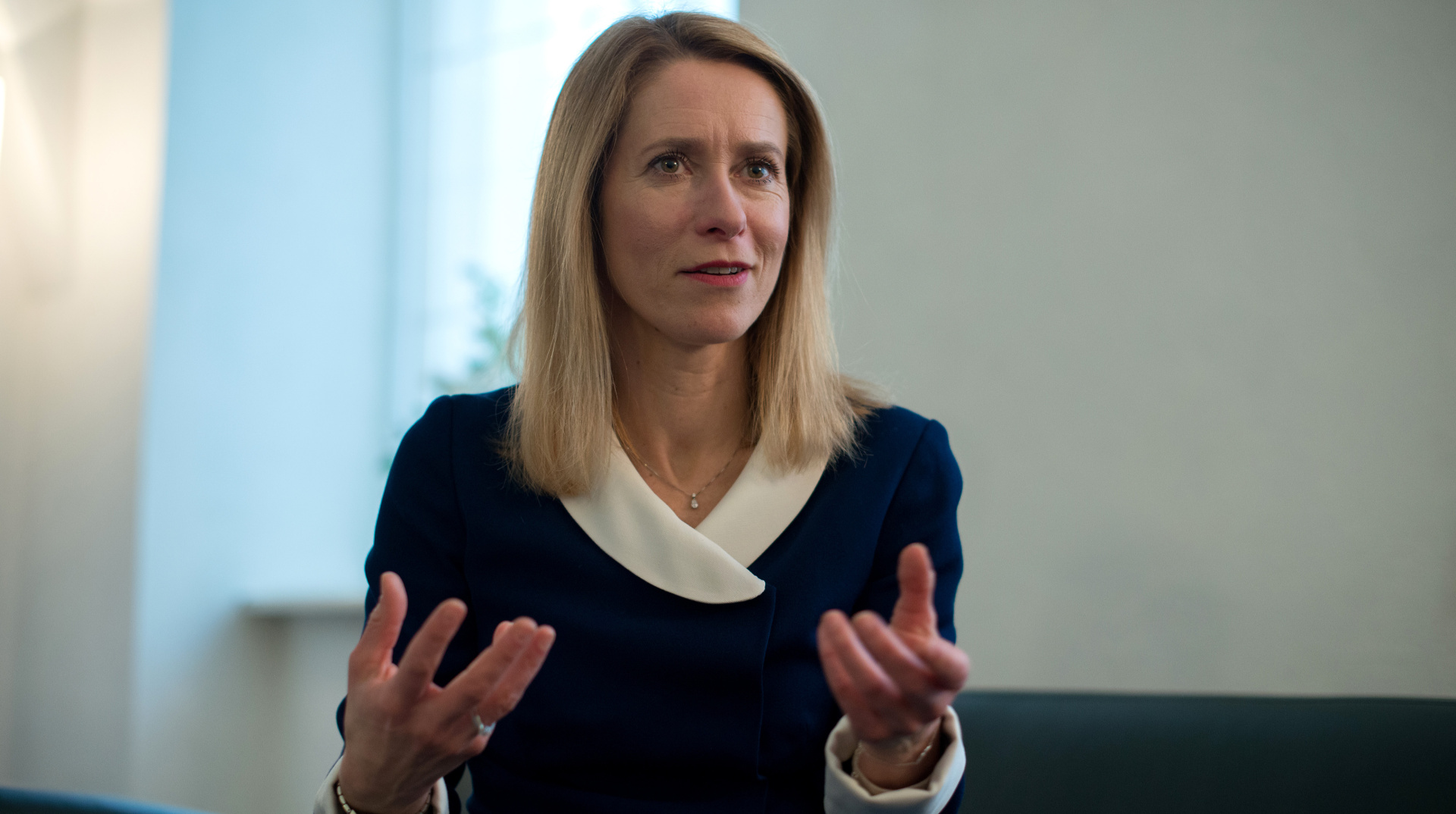
The European Union is moving toward a fresh round of sanctions against Russia after Germany formally accused Moscow of orchestrating a drone incident near a Ukrainian cargo aircraft at Leipzig/Halle Airport in August. The attack, which EU foreign policy chief Kaja Kallas described as bearing “all the hallmarks of state-sponsored terrorism,” dominated informal talks among EU foreign ministers in Wicklow, Ireland, on 2 September.
Speaking before the meeting, Kallas said the incident should serve as a “wake-up call” for member states that have been reluctant to impose further sanctions. “If we want to end this war, we all have to focus our efforts, take it to a new level,” she told reporters, as reported by The Guardian.
Germany’s foreign minister, Johann Wadephul, briefed his EU counterparts on the investigation, which concluded that Russian secret services were behind the 4 August incident. A drone carrying explosives was discovered near a Ukrainian Antonov cargo aircraft used to transport military supplies. The EU and France separately summoned top Russian officials to protest the attack, diplomats confirmed.
Ukraine’s call for an alumina embargo
Ukrainian Foreign Minister Andrii Sybiha, attending the Wicklow meeting, urged the EU to impose a full embargo on supplies of alumina and aluminium ore to Russia. He argued that these raw materials are “crucial for Russia’s military-industrial complex, particularly its aerospace industry, missile production and armoured vehicle manufacturing,” according to Ukrainska Pravda.
Sybiha also called for targeted sanctions against Russia’s ballistic missile production, restrictions on the Rassvet satellite system, and tougher measures against Russia’s shadow fleet and state nuclear energy company Rosatom. The Ukrainian foreign minister warned that cutting off alumina supplies would “directly reduce Russia’s ability to produce weapons.”
Frozen assets and the broader response
Kallas told a press conference after the meeting that discussions on using frozen Russian assets to support Ukraine would continue, though she noted that “some ministers also raised again the use of immobilised Russian assets,” as reported by Ukrainska Pravda. She stressed that “Russia must pay for the destruction it has caused.”
However, Belgium has expressed reservations, seeking guarantees that it would not bear the costs alone if Russia successfully challenged such a decision in court. Sweden, the Netherlands, Spain and Poland have urged the European Commission to resume work on a mechanism for using frozen Russian sovereign assets.
Strategic significance
The Leipzig incident marks a significant escalation in what European officials describe as a campaign of Russian hybrid warfare on EU soil. The attack targeted a logistics hub for Ukrainian military supplies, highlighting Moscow’s willingness to strike critical infrastructure inside Germany. Kallas, in her remarks before the meeting, linked the incident to a broader pattern: “What we see in other countries is that the Russians are provoking more and more. So the question for us is what do we do about this to deter them from going any further,” she said, as quoted by Ukrainska Pravda.
Earlier this week, the EU’s foreign policy chief also expressed hope that US negotiators would recognise Russia’s lack of interest in peace, and Ukrainian Foreign Minister Sybiha pointed out that Russian President Vladimir Putin launched deadly strikes on Kyiv as soon as US envoys left the country. Those comments underscore the sense of urgency in Western capitals, as the bloc debates how to respond to an attack that many diplomats say crosses a red line.
European Commission President Ursula von der Leyen met separately with NATO Secretary General Mark Rutte on 2 September, with the Leipzig incident and support for Ukraine high on the agenda. The EU is expected to finalise a new sanctions package in the coming weeks, with the alumina embargo seen as a key test of unity among member states.
Sources
- EU foreign policy chief suspects Russia behind drone incident in Leipzig September 1, 2026
- EU holds talks on response to Leipzig drone attack after Germany formally blames Moscow for incident – Europe live September 2, 2026
- EU foreign policy chief promises to continue discussion on using frozen Russian assets for Ukraine September 2, 2026
- Ukrainian foreign minister calls for full EU embargo on alumina and aluminium ore supplies to Russia September 2, 2026
- EU foreign policy chief hopes US negotiators could see Russia's lack of interest in peace September 7, 2026
- Ukrainian foreign minister: Putin attacked Kyiv and killed people as soon as Trump's envoys left September 8, 2026
Part of the dossier
EU Accuses Russia of Drone Incident in Leipzig →