EU weighs new sanctions and deterrence after Germany blames Russia for Leipzig drone attack
The EU is responding to Germany's formal blame of Russia for a drone attack at Leipzig/Halle Airport, with Kallas calling it 'state sponsored terrorism.' Ukraine is pushing for tougher measures, including an alumina embargo, while the bloc debates sanctions extensions and frozen Russian assets.
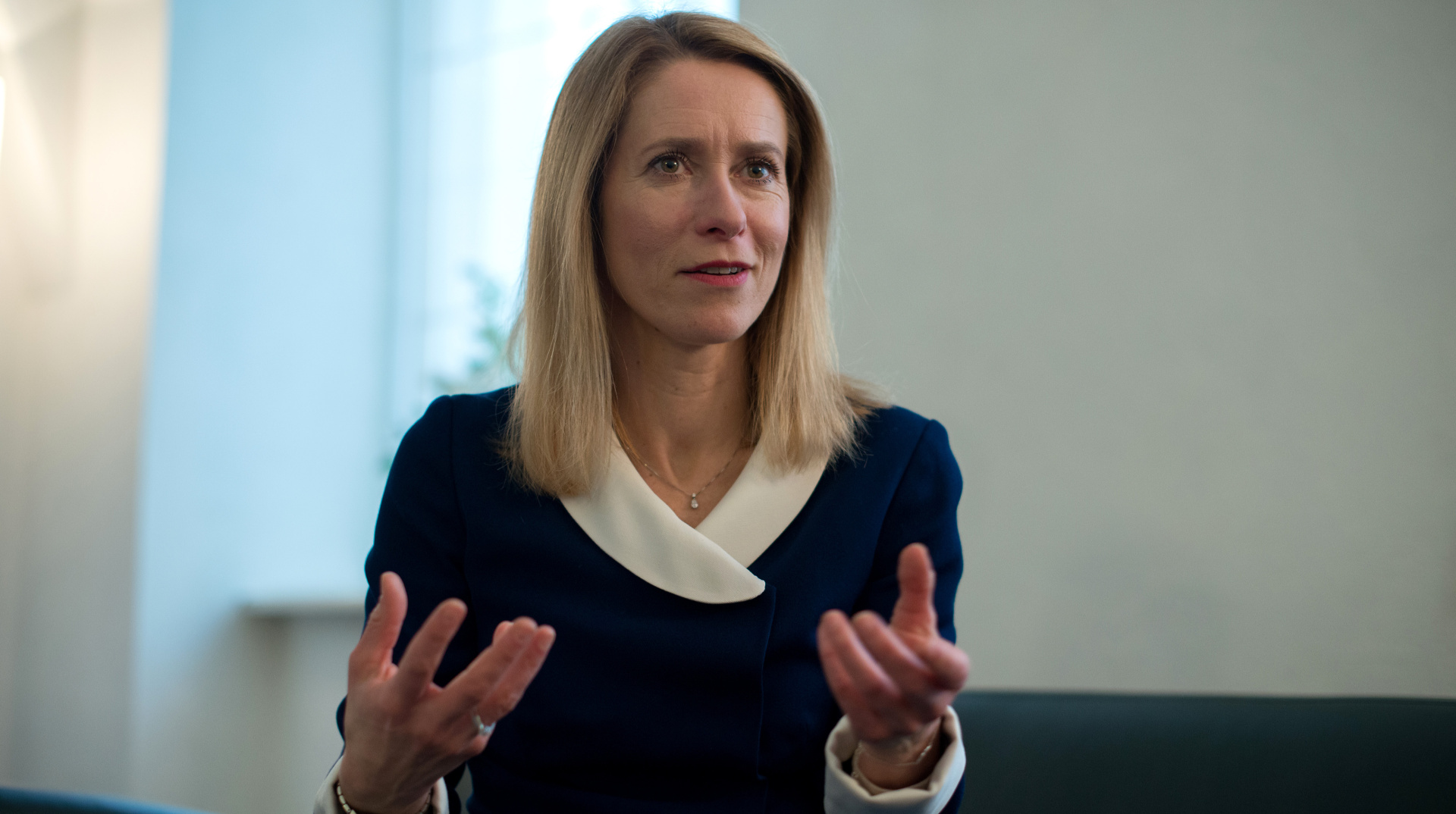
The European Union is moving to tighten the screws on Moscow after Germany formally blamed Russia for an attempted drone attack on a Ukrainian cargo aircraft at Leipzig/Halle Airport last month, with the bloc's foreign policy chief calling the incident “state sponsored terrorism” and warning that Russia is “provoking more and more” across Europe.
Speaking ahead of an informal meeting of EU foreign ministers in Wicklow, Ireland, on 2 September, Kaja Kallas said the incident should serve as a “wake-up call” for member states that have been hesitant to impose further sanctions on Russia. “If we want to end this war, we all have to focus our efforts, take it to a new level,” she said, according to The Guardian.
Kallas stopped short of directly accusing Moscow before Berlin's official statement, but she left little doubt about her assessment. “Let's hear Germany giving the news and information and sharing the intelligence that they have regarding these attacks,” she said, as reported by Ukrainska Pravda. “What we see in other countries is that the Russians are provoking more and more. So the question for us is what do we do about this to deter them from going any further.”
German Foreign Minister Johann Wadephul briefed his EU counterparts on the investigation, and both the EU and France have summoned senior Russian officials to protest against the attack. The incident, which took place on 4 August, involved a drone carrying explosives found near a Ukrainian Antonov cargo aircraft used to transport military supplies. Berlin's formal blame of Moscow has now opened the door to a new round of EU measures.
Ukraine pushes for tougher measures
Ukrainian Foreign Minister Andrii Sybiha used the Wicklow meeting to press for maximum pressure on Russia, calling for a full EU embargo on supplies of alumina and aluminium ore to Russia. In a statement reported by Ukrainska Pravda, his ministry said these raw materials are “crucial for Russia's military-industrial complex, particularly its aerospace industry, missile production and armoured vehicle manufacturing.”
Sybiha also called for targeted sanctions against Russia's ballistic missile production, restrictions on Russian entities and individuals linked to the war effort, measures against the Rassvet satellite system, and tougher action against Russia's shadow fleet. He urged the EU to sanction Rosatom and Roscosmos, and to impose stricter limits on Russian citizens travelling to Europe, arguing this would help counter Russian sabotage operations on European soil.
The Ukrainian minister's push comes as EU member states remain divided over how far to go. At the Wicklow meeting, Kallas said discussions on using frozen Russian assets to support Ukraine would continue, but no decision was reached. “Russia must pay for destruction it has caused,” she said, according to European Pravda. Belgium, which has reservations about the legal risks of such a move, has not ruled out transferring the assets but wants guarantees it would not bear the costs alone if Russia challenges the decision in court.
Sanctions extension and the oligarch question
On 14 September, EU ambassadors agreed to extend the personal sanctions regime targeting those responsible for violating Ukraine's territorial integrity for just seven days, after Slovakia and France pushed to remove two Russian oligarchs, Mikhail Fridman and Alisher Usmanov, from the list. Sybiha reacted sharply, saying it was “difficult to understand” why the EU would consider lifting sanctions on “key Russian oligarchs linked to the regime” while Russia continues its “terror against our people.”
“Personal sanctions are an effective tool to constrain, one by one, those who sustain Russia's war machine,” Sybiha wrote on X, as reported by Ukrainska Pravda. He called for extending individual sanctions for 12 months instead of the current six, arguing this “would send a clear signal to the Kremlin that Europe is not intimidated by Russia's reckless escalation.” He warned that without sustained pressure, “Europe risks playing exactly the game Russia wants it to play.”
Kallas: I'd take the call, but not on Russia's terms
In a separate development, Kallas said she would answer a call from Vladimir Putin or Sergei Lavrov if one were to come, but she insisted she would not engage on Moscow's terms. In an interview with Finland's Yle, reported by Ukrainska Pravda, Kallas said she had already met Lavrov at international forums and set out the EU's position directly. She described Moscow as a skilled negotiator that puts forward maximum demands, issues threats, and waits for the West to concede.
Kallas was also sceptical of the efforts of US presidential envoys Jared Kushner and Steve Witkoff, who have shuttled between Moscow and Kyiv over the past year and a half. She argued that ending the war quickly by forcing Ukraine to give up its land would not lead to a just or lasting peace. She noted that the EU cannot currently act as a full mediator because it supports Kyiv, but she acknowledged that any negotiations would inevitably touch on issues that depend on Europe, such as the fate of frozen assets.
What's next
The EU is now weighing a range of measures, including tighter controls on the movement of Russian diplomats within the Schengen area, a ban on visas for former Russian combatants, and a review of tourist visas for Russian citizens, as Kallas outlined on 15 September per Ukrainska Pravda. She also noted that EU sanctions have already deprived the Russian economy of €1 trillion and that naval operations are boarding suspected shadow-fleet vessels.
For Ukraine, the immediate priority is to keep the pressure on. As Sybiha put it, “Sanctions only work when they deliver long-term, sustained and irreversible pressure for as long as Russia continues its aggression.” The coming weeks will show whether the EU can overcome its internal divisions and turn that rhetoric into action.
Sources
- Ukrainian foreign minister urges EU not to lift sanctions on Russian oligarchs September 14, 2026
- EU foreign policy chief suspects Russia behind drone incident in Leipzig September 1, 2026
- EU holds talks on response to Leipzig drone attack after Germany formally blames Moscow for incident – Europe live September 2, 2026
- EU foreign policy chief promises to continue discussion on using frozen Russian assets for Ukraine September 2, 2026
- Ukrainian foreign minister calls for full EU embargo on alumina and aluminium ore supplies to Russia September 2, 2026
- EU chief diplomat Kallas says she would answer call from Putin or Lavrov September 15, 2026
- EU foreign policy chief hopes US negotiators could see Russia's lack of interest in peace September 7, 2026
- Ukrainian foreign minister: Putin attacked Kyiv and killed people as soon as Trump's envoys left September 8, 2026
- EU chief diplomat Kallas says EU could tighten visa rules for Russians September 15, 2026
Part of the dossier
EU Accuses Russia of Drone Incident in Leipzig →