Fighting intensifies along Ukraine front lines as Putin issues new threats against UK
Combat clashes on the Ukraine front rose to 237 on 7 September, up from 213 on 2 September, with the heaviest fighting on the Pokrovsk front where 43 Russian assaults were repelled. Meanwhile, Vladimir Putin threatened that any British military facilities in Ukraine would be legitimate targets and declined to rule out strikes on UK territory, calling it a 'military secret.'
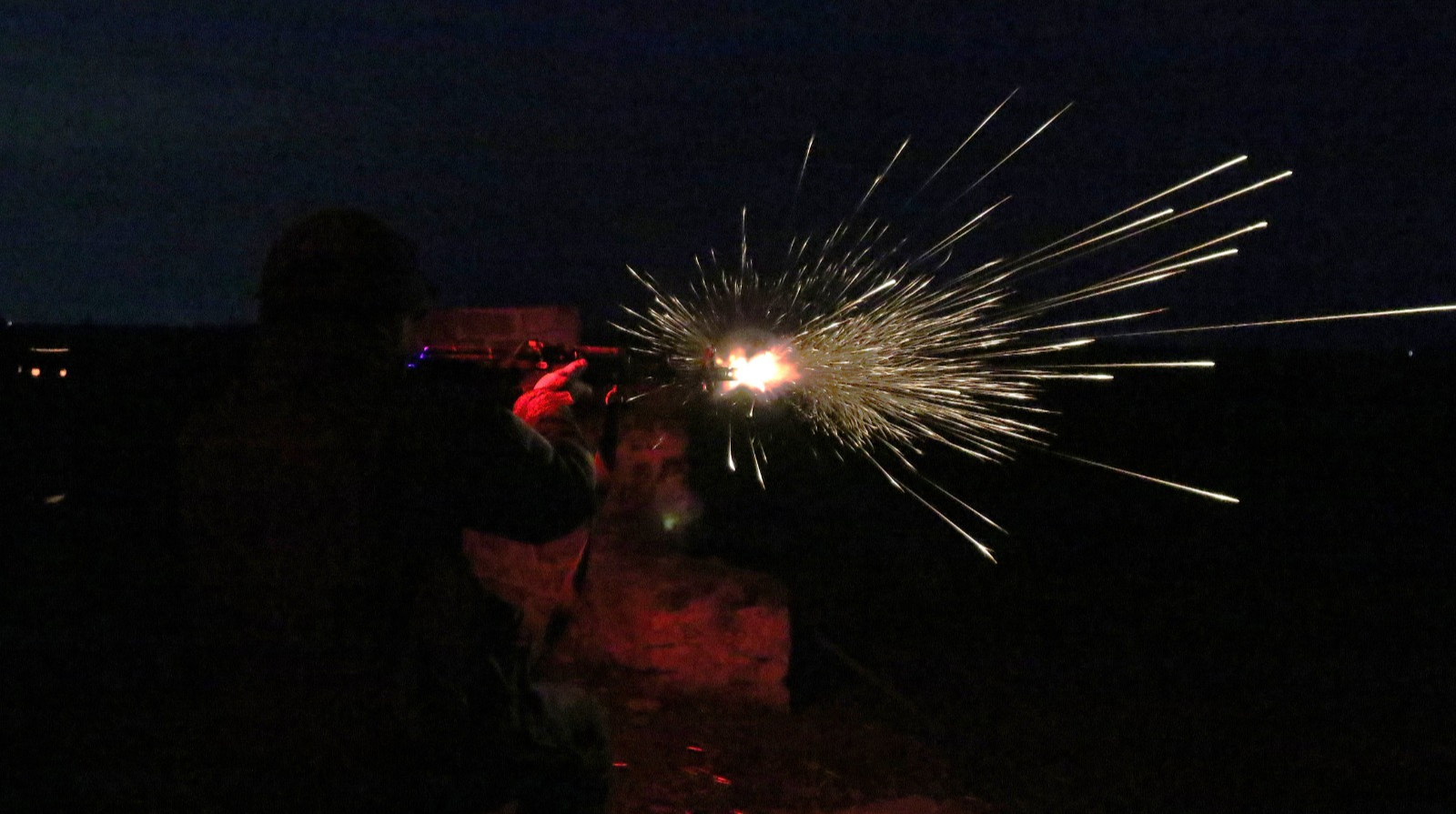
The intensity of combat on the front lines of the war in Ukraine continues to rise, with the General Staff of the Armed Forces of Ukraine reporting 237 combat clashes on 7 September — a sharp increase from the 213 recorded just five days earlier. The heaviest fighting remains concentrated around the Pokrovsk sector, where Ukrainian forces repelled 43 Russian assaults in a single day, according to the latest operational update Source 3.
On 2 September, the General Staff reported that the Russian military had conducted 93 airstrikes, dropped 313 guided aerial bombs, and launched 11,511 kamikaze drones across the front line. Ukrainian Air Force and Rocket Forces units struck 10 clusters of Russian personnel, six UAV control stations, five artillery pieces and one additional critical target Source 1.
That same day, Russian President Vladimir Putin escalated his rhetoric against the United Kingdom, telling a press conference in Moscow that any British military facilities on Ukrainian territory — if they exist — would be “legitimate targets” for Russian strikes. When asked by a journalist whether British defence industry sites on UK soil could also be targeted, Putin replied: “That’s a secret, a military secret” Source 2.
Putin’s comments came less than two weeks after UK Prime Minister Andy Burnham announced on 24 August that Britain would release Storm Shadow missile production technology to Ukraine. In response, Andrei Fedorov, an adviser to Putin, said British factories producing drones and missile components could face attacks from “unknown sources”. The Russian Foreign Ministry had previously threatened strikes on UK military targets “beyond its borders” [Source 2].
The uptick in battlefield clashes and the renewed threats from the Kremlin suggest that Russia is attempting to sustain pressure on Ukrainian forces across multiple axes while trying to deter further Western military support. The Pokrovsk front, in particular, has been a focal point of Russian offensive operations for months, and the 43 assaults repelled on 7 September indicate that the assault tempo has not slackened.
On the North Slobozhanshchyna front and in the operational zone inside Russia’s Kursk Oblast, Ukrainian defenders stopped six Russian assaults on 2 September. On the South Slobozhanshchyna front, seven attacks were repelled near Volokhivka, Khatnie, Bochkove, Vovchanski Khutory and Starytsia. The Kupiansk, Lyman, Sloviansk, Kramatorsk and Kostiantynivka fronts also saw varying numbers of assaults, with the Kostiantynivka sector recording 28 Russian attacks on 2 September alone [Source 1].
For European readers following the war, the combination of intensified frontline fighting and Putin’s explicit threats against a NATO member state underlines a dangerous escalation dynamic. Whether the Kremlin will carry out attacks on UK territory or on British military facilities inside Ukraine remains an open question. Ukrainian officials have not confirmed the presence of any such facilities, and Putin himself expressed doubt that they exist. But the rhetorical shift — from warning about “consequences” to hinting at strikes on sovereign British soil — marks a new phase in Russia’s confrontation with the West.
As the battlefield tempo rises, the General Staff’s daily reports continue to provide the most granular picture available outside classified military channels. The 7 September figure of 237 clashes is the highest reported in recent weeks, suggesting that Russian forces are committing fresh reserves and maintaining pressure ahead of the autumn mud season, which historically slows offensive operations.
Sources
Part of the dossier
Ukraine War Frontline Combat Updates →