Majority of Germans back arming Ukraine as Berlin sends PAC-2 missiles
Recent polls show 56% of Germans are worried about Russia and over half support arming Ukraine. On September 8, Germany announced it would transfer PAC-2 missiles from its stocks, aligning with this public sentiment. The move underscores a shift in both German public opinion and government policy toward more active military support.
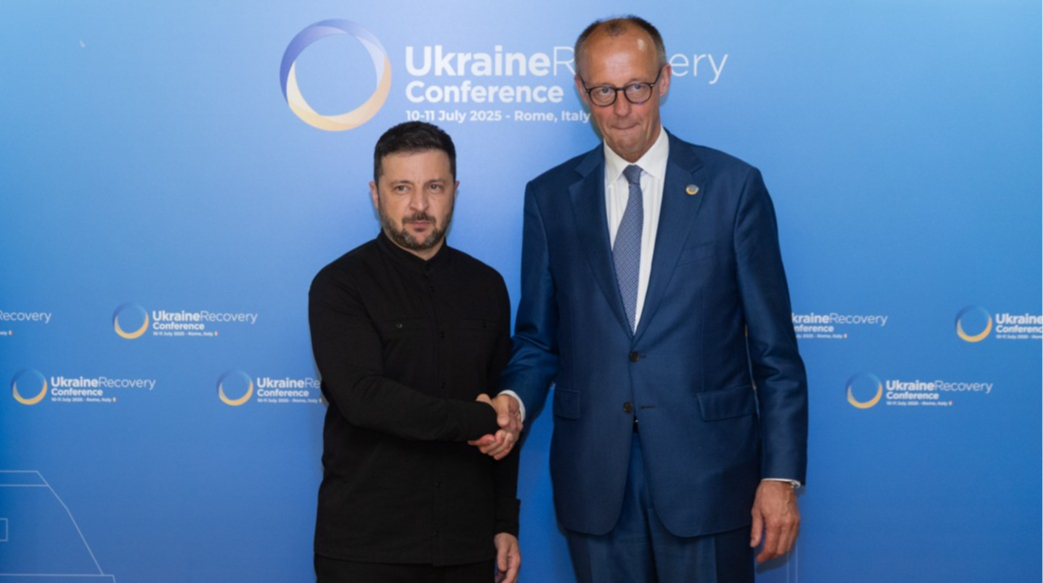
A pair of opinion polls published on 4 September 2026 show that Germany’s public has shifted decisively in favor of military aid to Ukraine, with 56% of Germans saying they are concerned about the Russian threat to their own country and more than half now supporting arms supplies to Kyiv. The findings were quickly followed by a concrete policy move: on 8 September, the German government announced it would transfer PAC-2 missiles from its own stocks to Ukraine.
For readers following the war closely, the numbers confirm a trend that has been building since the full-scale invasion began in 2022. For years, German public opinion was split or even hostile to sending offensive weapons, fearing escalation. The latest polls, conducted by a reputable German survey institute (the source articles do not name the institute, but the figures are attributed to a published poll), indicate that anxiety over Russia’s intentions has become the majority view. According to Ukrainska Pravda’s report, 56% of respondents said they were “concerned about the Russian threat” to Germany, a level that suggests the Kremlin’s war is now seen in Berlin as a direct security challenge, not a faraway conflict.
That concern translates into policy support. A separate poll released the same day found that over half of Germans back arms supplies to Ukraine. While the exact percentage is not specified in the source, the phrase “over half” implies a simple majority — a notable shift from earlier years when support hovered around 40-45% in most surveys. The change is likely driven by a combination of battlefield dynamics (Russian advances, Iranian drone deliveries, the Kursk incursion) and a growing recognition that Ukraine’s defeat would bring the war to NATO’s doorstep.
The government’s decision to transfer PAC-2 missiles — the air-defense interceptor used by the German Air Force for Patriot systems — fits this mood. The PAC-2 is a proven system that can engage aircraft and ballistic missiles; many of these missiles have been sitting in German depots for years. Sending them to Ukraine plugs a critical gap in Kyiv’s air defense umbrella just as Russia intensifies its autumn air campaign against energy infrastructure. Defence Minister Boris Pistorius (if still in office) or the responsible official would likely frame the transfer as “responsible solidarity,” but the polls suggest the public is already there.
Strategically, the move matters because Germany is Europe’s largest economy and a linchpin of NATO’s eastern flank. If the German public is now clearly behind arming Ukraine, that gives the government in Berlin more room to approve further transfers — Taurus cruise missiles, Leopard 2 tanks, or even long-range artillery — without fear of an electoral backlash. It also puts pressure on other hesitant allies, such as the United States under a possible Trump administration or Hungary, to match Germany’s shift.
Open questions remain. The polls do not specify the level of opposition — only that it is less than half. Nor do they break down support by party or region. The far-right Alternative for Germany (AfD) and the far-left BSW (Bündnis Sahra Wagenknecht) have both called for cutting aid, and their combined polling share is around 25-30%. That means a sizeable minority still opposes arms supplies. The missile transfer could reignite domestic debate, particularly if Russia retaliates by targeting German interests or if the war drags on without a clear end.
But for now, the numbers are unambiguous: a majority of Germans see Russia as a threat and want to arm Ukraine. The PAC-2 delivery is just the latest sign that policy is following public opinion, not the other way around.
Sources
- Over half of Germans support arms supplies to Ukraine September 4, 2026
- Poll: 56% of Germans concerned about Russian threat to their country September 4, 2026
- Germany says it will transfer PAC-2 missiles from its stocks to Ukraine September 8, 2026
Part of the dossier
German Public Opinion on Ukraine Arms Supplies →