Germany Accuses Russia of Foiled Drone Attack at Leipzig Airport, Names Two Suspects
German investigators identified two suspects with links to Russian intelligence in a foiled drone attack at Leipzig/Halle Airport in August. Interior Minister Dobrindt said the drone was consistent with Russian technology, prompting Germany to close a Russian consulate.
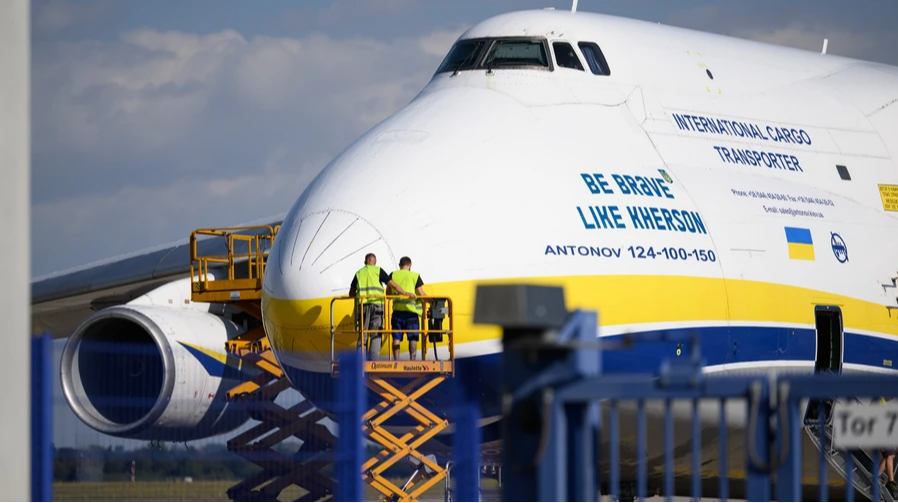
Germany has formally accused Russia of orchestrating a foiled drone attack at Leipzig/Halle Airport in August, identifying two suspects with direct links to Russian intelligence. The incident, which targeted a Ukrainian transport aircraft, is being framed by Berlin as part of a broader pattern of Russian hybrid operations against NATO members supporting Ukraine.
On 2 September, German Interior Minister Alexander Dobrindt stated that intelligence assessments concluded the drone discovered at the airport was consistent with Russian technology. The announcement triggered retaliatory measures, including the closure of a Russian consulate in Germany.
What happened at Leipzig/Halle Airport?
On the evening of 4 August, an employee at Leipzig/Halle Airport — a major cargo hub in the eastern state of Saxony — flagged a drone near a cargo plane belonging to the Ukrainian firm Antonov Airlines. The drone was carrying explosives. Specialists were called in to defuse the device using a robot, leading to a temporary shutdown of the airport. A second drone was reportedly destroyed after colliding with an aircraft near the airport.
The suspects
According to German media outlets Süddeutsche Zeitung, NDR, and WDR, investigators have identified two suspects. The first is described as the logistics coordinator and instructor behind the planned attack. The man, of Russian origin and holding a Latvian passport, has links to Russian intelligence. He entered Germany via Berlin Brandenburg Airport at the end of July, then travelled to Leipzig by hire car. Two days before the foiled attack, he left Germany again, flying out via Berlin.
A second suspect was identified through DNA traces found at the scene. Genetic material was recovered from one of the drones, the inside of an explosive-filled tin, and an antenna attached to a tree near the airport — apparently used to boost mobile phone signals for drone control. Comparisons with European databases produced matches in Lithuania and Finland, leading investigators to a Belarusian man who also holds a Russian passport. He had previously come to the attention of authorities in several countries for other offences. Investigators reconstructed his entry and departure: he entered Germany on an Italian tourist visa issued at the Italian Embassy in Minsk at the end of April.
Political fallout and strategic context
Interior Minister Dobrindt described the attack as a clear example of Russian hybrid warfare. “This is not an isolated incident,” he said, warning that Moscow could be planning more such operations. Russian President Vladimir Putin has dismissed the evidence as “fake,” but German officials remain adamant.
The closure of a Russian consulate is the most tangible response so far. The move mirrors similar actions by other European nations that have expelled Russian diplomats or shut down consulates in response to suspected sabotage and espionage campaigns.
Why this matters
Leipzig/Halle is a key logistics hub for military aid flowing to Ukraine. Targeting it with an explosive-laden drone represents an escalation in Russia’s campaign of intimidation against NATO members. Over the past year, European security services have reported a rise in suspected Russian hybrid attacks — including arson, cyber intrusions, and attempted sabotage of infrastructure — aimed at disrupting support for Kyiv.
The identification of two suspects, both with Russian or Belarusian passports and ties to intelligence networks, underscores the coordinated nature of these operations. German investigators, however, are sceptical about the chances of bringing the suspects to justice, as similar cases have often stalled due to lack of extradition or sufficient evidence for prosecution.
For now, the incident serves as a stark warning: Russia is willing to strike directly at European soil to undermine Ukraine’s defenders, and Germany — Europe’s largest economy and a key military supplier to Kyiv — is squarely in the crosshairs.
Sources: Ukrainska Pravda, Al Jazeera video report, Al Jazeera explainer
Sources
Part of the dossier
Germany-Russia Drone Attack Accusations →