Hungary Blocks EU Accession Clusters for Ukraine, Demands Remain Unclear Despite Court Loss on Frozen Assets
Hungary blocked opening of EU accession clusters 2 and 3 for Ukraine on 8 September 2026 without disclosing its demands. A day later, Hungary lost a court battle over frozen Russian asset profits for Ukraine, but the ruling has not altered its blockade.
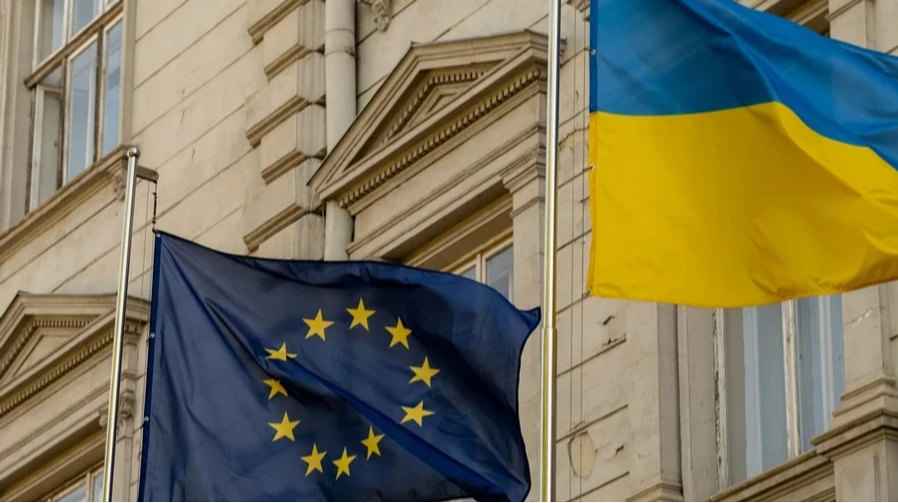
Hungary has once again blocked the opening of two key negotiating clusters in Ukraine’s European Union accession talks, prolonging a deadlock that has frustrated Kyiv and its EU allies. The veto on 8 September 2026 – blocking clusters 2 (internal market) and 3 (competitiveness and inclusive growth) – came without Budapest disclosing the specific conditions it wants met to allow progress, according to Ukrainska Pravda. A second report from the same outlet notes that Hungary has still not told Ukraine what it demands to unblock the clusters, leaving the process in limbo Ukrainska Pravda.
The timing of the blockade is notable. Just a day later, on 9 September 2026, Hungary lost a court battle at the European Court of Justice concerning the use of profits from frozen Russian assets to support Ukraine, as reported by Reuters and cited by Ukrainska Pravda. The ruling – which upholds the EU’s right to divert windfall profits from immobilised Russian central bank assets – has no direct legal impact on Hungary’s veto power over accession negotiations, but it does underscore the widening gap between Budapest and the rest of the bloc on Ukraine policy.
For Ukraine, the latest delay is a strategic setback. The opening of clusters is the formal step that allows detailed negotiations on legal harmonisation and market reforms. Without movement on clusters 2 and 3, Kyiv cannot present itself as a credible candidate for fast-tracked accession, a goal it has pursued since gaining candidate status in 2022. The European Commission has repeatedly praised Ukraine’s progress on reforms, but Hungary’s opaque vetoes have turned the accession process into a diplomatic chess match.
What does Hungary want? That is the central question. Unlike earlier blockades – where Budapest linked its veto to issues such as minority language rights for ethnic Hungarians in western Ukraine – the current obstruction lacks a publicly stated rationale. Ukrainian officials have privately noted that Hungarian Prime Minister Viktor Orbán may be seeking concessions on EU funding or a weakening of sanctions enforcement against Russia, but no formal demands have been tabled. The lack of transparency makes it difficult for the EU to mediate or for Ukraine to adjust its negotiating position.
The court ruling on frozen assets adds a new layer of tension. The EU has been tapping the proceeds of roughly €300 billion in Russian central bank reserves immobilised in the bloc since 2022, funnelling the money into a special fund for Ukraine. Hungary opposed this mechanism and sought to block it, but the ECJ’s decision confirms its legality. While the ruling does not force Hungary to change its stance on accession, it removes a financial lever Budapest might have hoped to use as bargaining chip. The combined effect is that Hungary is now both isolated on the legal front and still blocking political progress.
For the EU, the path forward is narrowing. Some member states have floated the idea of stripping Hungary of its veto power on enlargement decisions, though that would require a treaty change that is unlikely to be swift. Others argue for a “two-track” approach: allowing Ukraine to negotiate with the European Commission while Hungarian objections are parked. Neither option has consensus yet.
What this means for Ukraine Desk readers: the accession process remains hostage to one member state’s opaque demands. The court victory on asset profits is a positive signal for Ukraine’s financial support, but it has not shifted Budapest’s negotiating position. Expect more diplomatic wrangling in the coming weeks, likely at the next EU General Affairs Council meeting. Ukraine’s best hope may be that the court ruling, combined with mounting frustration among other member states, eventually forces Hungary to either show its hand or be sidelined.
Sources
- Hungary again blocks opening of EU accession clusters 2 and 3 for Ukraine September 8, 2026
- EU accession: Hungary still does not tell Ukraine its demands for opening EU negotiating clusters September 8, 2026
- Hungary has lost court battle over frozen Russian asset profits for Ukraine, says Reuters September 9, 2026
Part of the dossier
Hungary blocks EU accession progress for Ukraine →