Hungary expels 10 Russian diplomats, Moscow vows 'harsh' response as Budapest pivots away from Kremlin
Hungary expelled 10 Russian diplomats for 'unacceptable activities', prompting Moscow to vow a harsh response. The move underscores the new government's break with the pro-Kremlin policies of former PM Viktor Orbán, with implications for EU unity on Ukraine sanctions and NATO's eastern flank.
Hungary has expelled 10 Russian diplomats for engaging in what it called “unacceptable activities”, prompting Moscow to threaten a “harsh and painful” response. The move, announced on 8 September by Hungarian Foreign Minister Anita Orbán, marks the most significant rupture in Budapest–Moscow ties since the new government of Prime Minister Péter Magyar took office in April, ending a decade of pro-Kremlin policy under Viktor Orbán.
“This decision protects Hungary’s security and sovereignty,” Anita Orbán wrote on social media, without specifying the nature of the diplomats’ actions. A statement from the Hungarian foreign ministry confirmed the expulsions but stressed that the step “does not imply breaking off diplomatic relations with Russia” BBC News.
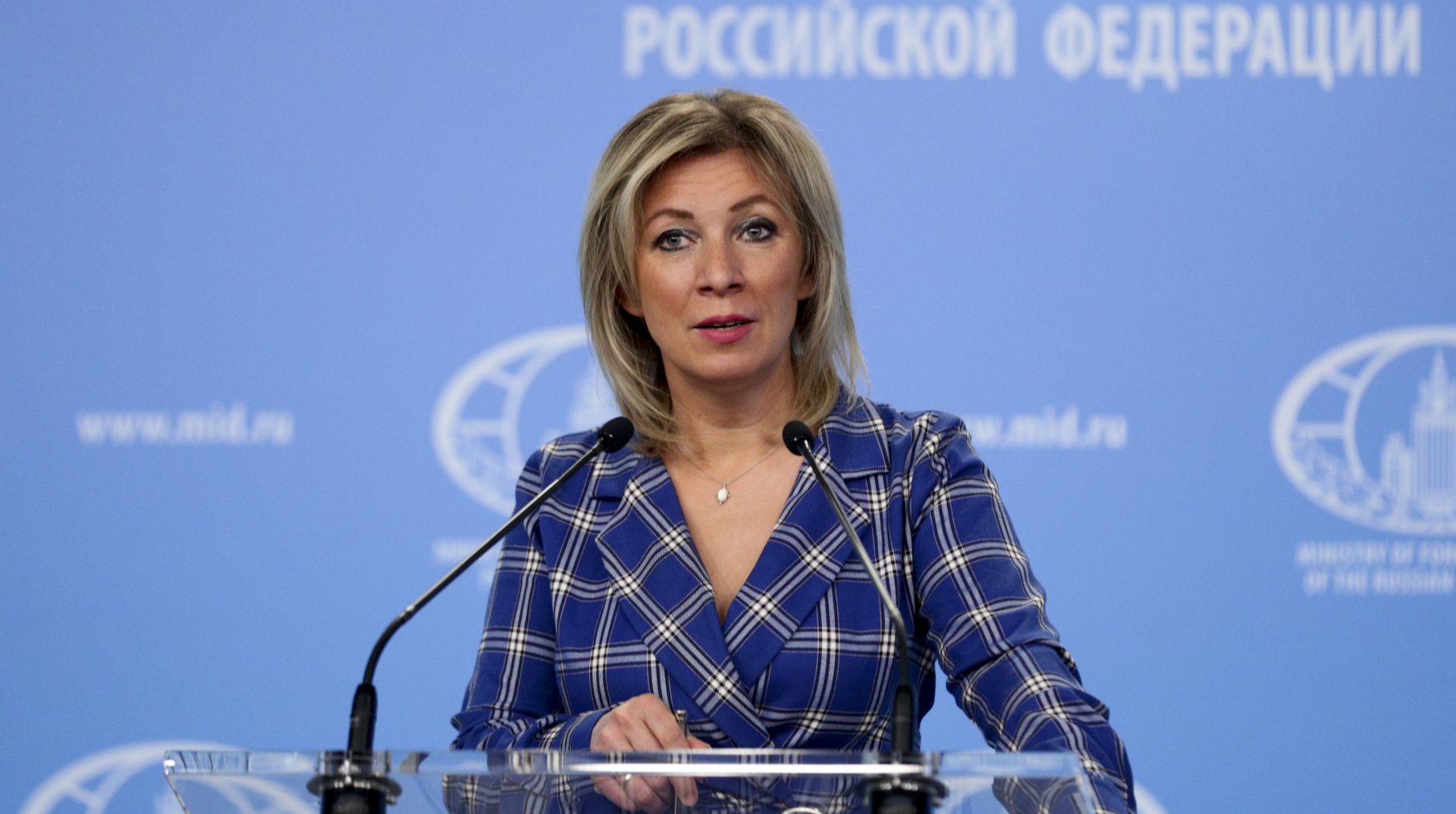
In Moscow, foreign ministry spokeswoman Maria Zakharova responded sharply, saying “the response to the Russophobic lobby will be harsh and painful” Ukrainska Pravda. She gave no details on the form of retaliation.
The expulsions are the latest sign of a fundamental shift in Hungarian foreign policy since the Tisza party’s landslide election victory in April. Prime Minister Péter Magyar, who campaigned on a platform of restoring democratic norms and aligning more closely with EU partners, has steadily distanced Budapest from Moscow. In May, Anita Orbán summoned the Russian ambassador to protest a large drone attack on Ukraine’s Transcarpathia region, home to a sizeable Hungarian minority – a step her predecessor had not taken since the start of Russia’s full-scale invasion in 2022 BBC News.
Last month, Magyar formally broke with the previous Fidesz government’s policies, issuing new guidelines that described Russia’s conduct in Ukraine as “a threat to Hungary, Europe and the global order, and also puts the Hungarian minority living in Transcarpathia in serious danger”. The document marked a stark departure from Viktor Orbán’s repeated blocking of EU sanctions on Russia and his refusal to allow weapons shipments to Ukraine through Hungarian territory.
Russia’s ambassador to Budapest, Evgeny Stanislavov, reacted bitterly. In a statement, he said Budapest’s promise of “pragmatic co-operation” – a phrase used by Magyar after the election – “was worth absolutely nothing”, and called the expulsion “an extremely unfriendly step that constitutes an unprecedented and ungrounded escalation” BBC News.
Strategic implications
For Ukraine and its Western allies, Hungary’s pivot is a welcome development. Budapest had been the EU member most resistant to maintaining a united front against Moscow, often watering down sanctions and delaying joint statements. The new government’s willingness to expel Russian diplomats suggests that Magyar is serious about ending Hungary’s role as Moscow’s Trojan horse inside the EU and NATO.
“This is not just a bilateral spat,” said a European diplomat speaking on condition of anonymity. “It signals that the new Hungarian leadership is ready to rejoin the mainstream European consensus on Russia. That has direct consequences for the EU’s ability to sustain sanctions and for NATO’s eastern flank cohesion.”
At the same time, the expulsion comes at a moment of heightened tension along Hungary’s border with Ukraine. The Transcarpathia region has faced repeated Russian drone and missile strikes, and Budapest has protested the lack of protection for ethnic Hungarians living there. Magyar’s government has also offered to host Ukrainian military training, a step Viktor Orbán had refused.
Moscow’s promised “harsh” response could take various forms: diplomatic reprisals, such as expelling Hungarian diplomats from Russia; economic pressure, including restrictions on energy supplies; or hybrid actions targeting Hungarian interests in the region. Hungary remains heavily dependent on Russian gas and oil, though Magyar has signalled an intent to diversify.
For now, neither side has broken off diplomatic relations. But the trust that once characterised Budapest–Moscow ties under Viktor Orbán has evaporated. As Anita Orbán put it, “necessary dialogue based on mutual respect and adherence to the rules” can continue – but the rules have clearly changed.
Sources
- Russia threatens Hungary with "harsh response" over expulsion of Russian diplomats September 8, 2026
- Hungary expels 10 Russian diplomats September 8, 2026
- Hungary expels 10 Russian diplomats as relations worsen September 8, 2026
Part of the dossier
Russia-Hungary Diplomatic Tensions →