Kremlin adviser threatens UK arms factories after Burnham pledges Storm Shadow technology to Ukraine
Kremlin adviser Andrei Fedorov warns UK drone factories could face paramilitary attacks after PM Andy Burnham pledges to share Storm Shadow missile blueprints with Ukraine. Moscow frames technology transfer as 'direct military involvement' while Burnham dismisses criticism.
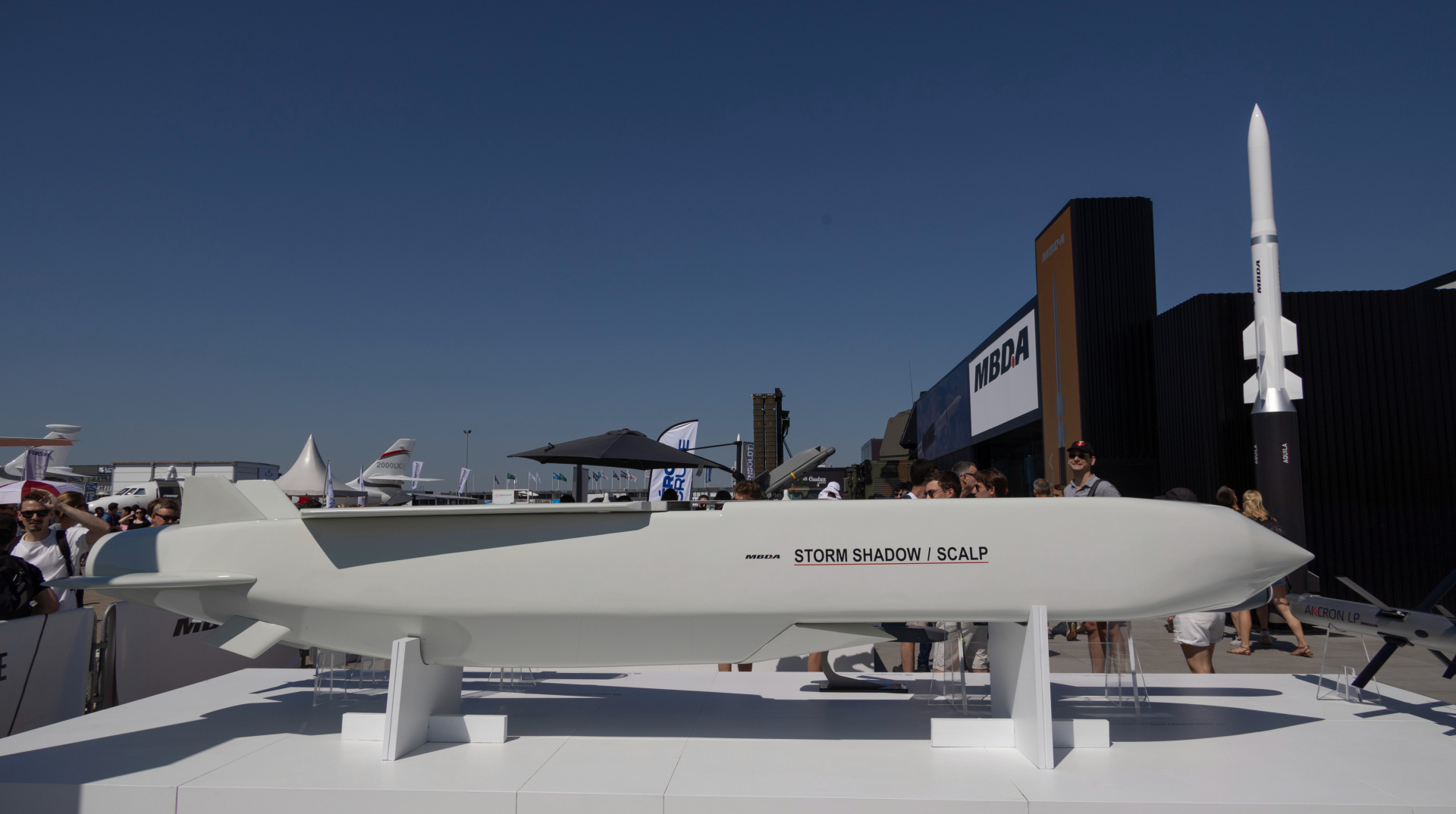
A Kremlin adviser has warned that British factories producing drones and missile components for Ukraine could be attacked by “unknown sources”, escalating tensions after UK Prime Minister Andy Burnham announced in Kyiv that London would share Storm Shadow missile production technology with Ukraine.
Speaking to the BBC on 25 August, Andrei Fedorov, a former Russian deputy foreign minister who now advises the Kremlin, said he could not “exclude 100 percent” that there might be “semi-military” action against British enterprises, possibly from “unknown sources” not officially linked to Russia. Source: Ukrainska Pravda
Fedorov’s comments came a day after Burnham made his first foreign trip as prime minister to Kyiv on 24 August, Ukraine’s Independence Day. During the visit, Burnham said the UK would hand over blueprints for the French-British designed Storm Shadow/SCALP cruise missile – a weapon with a range of more than 250 km – so that Ukraine can produce its own long-range strike capability. Source: Al Jazeera (2)
Kremlin frames technology transfer as direct involvement
Moscow has seized on the technology-sharing announcement as evidence that the UK is now a direct belligerent. Kremlin spokesman Dmitry Peskov told reporters on Monday that the UK is “participating in this war” by providing missile designs, according to Al Jazeera. Source: Al Jazeera (3)
Fedorov echoed that line, telling the BBC that the UK’s decision proves its “direct military involvement” in the conflict. He added that President Vladimir Putin is under pressure to respond with more than words. “Sooner or later, there might be not only verbal but maybe some visible reaction from Russia towards the UK,” he said.
When pressed on what form that could take, Fedorov listed possibilities: “technical reaction”, hacker attacks from “unknown sources”, or attacks on factories producing drones for Ukraine. He did not specify whether such action would be state-sanctioned, saying only that Russia has not “100 percent” ruled it out. Source: Ukrainska Pravda
A pattern of hybrid threats against European arms production
The warning fits a broader pattern. In recent months, The Telegraph has reported that Russia has launched a new wave of attacks on European arms factories, recruiting local gang members to carry out sabotage and testing NATO’s response. Source: Ukrainska Pravda Western intelligence agencies have warned of an increase in Russian-linked arson, sabotage and assassination plots targeting defence infrastructure across the continent.
Burnham, for his part, dismissed Moscow’s complaints. When asked about the Kremlin’s earlier characterisation of the technology transfer as “adding fuel to the fire”, he replied: “Who started the fire? That’s the question, isn’t it?” Source: Ukrainska Pravda
Why the Storm Shadow decision matters strategically
The Storm Shadow is a long-range, air-launched cruise missile that Ukraine has already used effectively against Russian command posts, ammunition depots and logistics hubs. Until now, Kyiv has depended on a finite supply of donated missiles. By localising production, Ukraine would gain a self-sustaining long-range strike capability independent of Western stockpiles and delivery schedules – a strategic shift that Moscow clearly fears.
The decision also marks a departure from previous caution by Western partners. The US, for example, has provided HIMARS launchers but not the blueprints for their production. The UK’s willingness to share missile manufacturing know-how sets a precedent that could reshape Ukraine’s defence industrial base for years to come.
What to watch
Whether Russia follows through on the threat of paramilitary action against UK factories remains unclear. Fedorov’s phrasing – “from unknown sources” – is the classic language of plausible deniability that Moscow has used for covert operations from Crimea in 2014 to the Skripal poisoning in 2018. British intelligence and security services are likely to increase protection for defence manufacturing sites, but the threat of lone-wolf attacks or hired operatives is harder to neutralise.
For now, the Kremlin’s rhetoric is a barometer of its anxiety about Ukraine’s growing self-sufficiency in precision strike capabilities. The question is whether that anxiety will translate into action on British soil.
Sources
Part of the dossier
Storm Shadow Missile Technology and Kremlin Threats →