Kremlin Threatens UK Military Targets as Storm Shadow Technology Transfer Reshapes War
Russia threatens to strike British military facilities in Ukraine and beyond after the UK shares Storm Shadow missile production technology with Kyiv. The CIA director visited Moscow amid US warnings of a possible Russian test of NATO. Ukraine reinforces Donetsk defences as the Kremlin dismisses escalation fears.
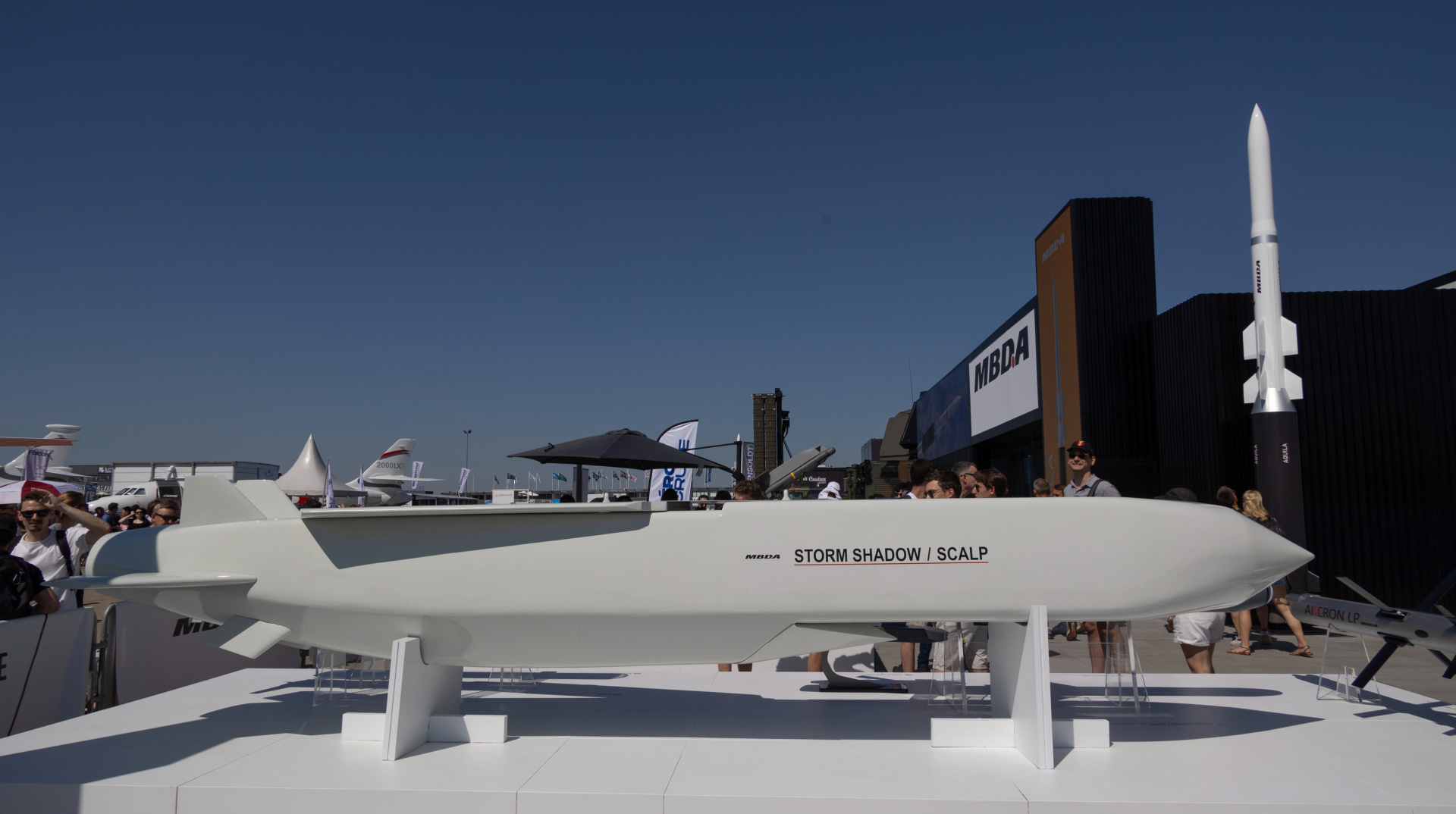
The Kremlin has escalated its confrontation with London by threatening to strike British military facilities inside and outside Ukraine, as the UK moves to share Storm Shadow cruise missile production technology with Kyiv. The threats, delivered by both a Kremlin adviser and the Russian Foreign Ministry spokesperson over the past week, mark the most direct warnings yet to a NATO member since the full-scale invasion began in 2022.
On 24 August, UK Prime Minister Andy Burnham announced in Kyiv that Britain would release the blueprints for components of the Storm Shadow/SCALP missile, allowing Ukraine to work with France to produce its own long-range cruise missiles. The decision, Burnham’s first foreign trip as prime minister, was framed as a way to reduce Ukraine’s dependence on foreign stockpiles and give it a sustainable domestic strike capability.
Within hours, Kremlin adviser Andrei Fedorov, a former Russian deputy foreign minister, told the BBC that British factories producing drones and missile components could face attacks from “unknown sources.” Fedorov said he could not “exclude 100 percent” that there might be “semi-military” action against Britain, including possible hacker attacks or physical sabotage of arms factories. Source 1 Source 2
Two days later, Russian Foreign Ministry spokesperson Maria Zakharova raised the stakes further. At a briefing in Moscow, she warned that “any British military facilities and equipment in Ukraine and beyond its borders could become targets in response to Ukrainian strikes using British weapons.” Zakharova accused London of being “one step away” from legal complicity in what she called “terrorism” and said Britain, France and Germany were “fuelling and stoking the Ukrainian crisis.” Source 7 Source 9
The threats came as the CIA director, John Ratcliffe, made a secretive visit to Moscow on 25 August. Kremlin spokesperson Dmitry Peskov later confirmed the visit was related to “contacts between security services” but declined to elaborate. According to The Wall Street Journal, Ratcliffe’s trip followed US intelligence indicating Russia was making early preparations for a possible military mobilisation and might be planning to test NATO with a limited assault on an allied country, possibly a Baltic state. The US reportedly asked Ukraine to suspend strikes on Russia during the delegation’s visit. Source 4 Source 6
Peskov dismissed the escalation warnings as “Western scare stories” and claimed Russia’s advance on the front was “obvious.” He said the Kremlin saw no need for peace talks, asserting that Ukraine “knows perfectly well what Russia’s demands are.” Source 11
On the battlefield, Ukraine has reinforced the defence of Sloviansk in the Donetsk region – a key city in what analysts call Ukraine’s “fortress belt” that also includes Kramatorsk, Druzhkivka and Kostiantynivka. Commander-in-Chief Mykhailo Drapatyi ordered the reinforcement of two units defending Sloviansk on 26 August. Russian commander Valery Gerasimov claimed his troops were within 4 km of the city, but open-source maps from Deep State and the Institute for the Study of War place Russian forces 12-16 km away. Ukrainian President Volodymyr Zelenskyy said 70-80 percent of Russian casualties were occurring on the Kostiantynivka front, estimating Russian losses this year at 267,000, including at least 155,000 killed. Source 12
Meanwhile, Ukraine continues to strike Russian logistics and infrastructure. On 26 August, Ukrainian drones again targeted warehouses belonging to Wildberries, Russia’s largest online retailer, hitting a logistics centre in the Tambov region. On the night of 19-20 September, a large-scale drone attack on Moscow caused a major fire at the Sofyino logistics technopark and the Kapotnya oil refinery. Moscow Mayor Sergei Sobyanin called it the largest drone attack on the capital to date. The Russian Defence Ministry responded by threatening to intensify strikes on “military targets in Kyiv.” Source 5 Source 15
The Storm Shadow technology transfer, combined with Russia’s explicit threats against British military assets, marks a significant escalation in the proxy dimension of the war. For European readers, the key question is whether Moscow will follow through on its warnings – and how NATO will respond if Russian paramilitary or military action targets a member state’s facilities. The Kremlin has a long history of threatening consequences it later walks back, but the specificity of Zakharova’s language and Fedorov’s mention of sabotage suggest a calculated effort to deter further Western support without triggering a direct NATO response.
As of late September, the Kremlin has not ruled out resuming trilateral talks with Ukraine and the United States, but Peskov said there are “no new ideas” and that Russia is satisfied with the current “positive dynamic” on the front. Source 13
Sources
- UK to back Ukraine with missile blueprints amid Russia-Ukraine strikes August 25, 2026
- Kremlin denies planned talks with US envoys amid reports CIA head in Russia August 25, 2026
- Storm Shadows for Ukraine: Kremlin threatens UK with paramilitary action against arms factories August 25, 2026
- Kremlin adviser warns UK drone factories could face attacks August 25, 2026
- Russia’s ‘Amazon’ Wildberries comes under Ukraine attack again August 26, 2026
- Kremlin reveals purpose of CIA director's visit to Moscow August 26, 2026
- Russia threatens to further intensify attacks on Kyiv following hits in Moscow September 20, 2026
- Russia says it could hit UK military targets over support for Ukraine – UK politics live August 27, 2026
- Russia warns Britain is ‘playing with fire’ over its support of Ukraine August 27, 2026
- Russia threatens UK with strikes on military targets over weapons and technology supplies to Ukraine August 27, 2026
- Russia warns it could target UK in response to Kyiv firing British missiles August 27, 2026
- Kremlin claims battlefield gains as Russia focuses attacks on Ukrainian books and toys August 28, 2026
- Ukraine reinforces Donetsk as it seeks to disrupt Russia’s weapons flow August 28, 2026
- Kremlin does not rule out resumption of trilateral talks between Russia, Ukraine and US September 7, 2026
- Kremlin believes Russia’s victory in war against Ukraine is imminent September 8, 2026
Part of the dossier
Storm Shadow Missile Technology and Kremlin Threats →