Kyiv reels after Russia’s deadliest missile-drone barrage of 2026: at least 12 killed, Indian citizen among victims
Russia attacked Kyiv and the region with ballistic missiles and drones on 31 Aug-1 Sep, killing 12 and wounding 21. An Indian citizen was among the dead. President Zelenskyy called for more air defence as EU ministers met.
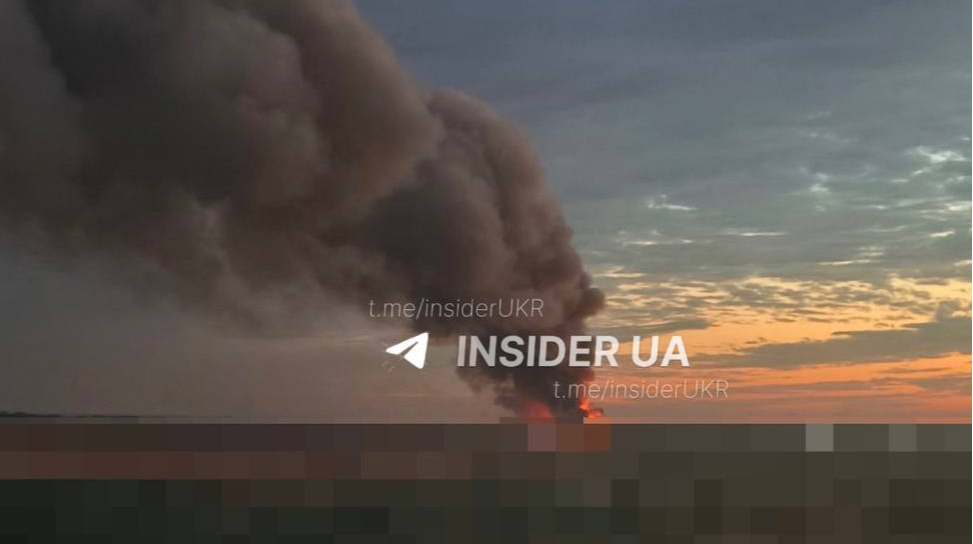
A massive combined Russian missile and drone attack on the night of 31 August–1 September killed at least 12 people and wounded 21 in the Ukrainian capital and surrounding region, officials said on Tuesday. The assault came as EU defence ministers met in Ireland to discuss Ukraine’s chronic shortage of air defence systems.
Kyiv Mayor Vitali Klitschko reported eight deaths and five injuries, including two children, inside the city. The Kyiv City Military Administration initially confirmed three dead, but the toll rose as search and rescue teams cleared rubble. A total of four more people were killed across Kyiv Oblast, with a residential building damaged in the suburb of Boryspil, according to Ukrainian prosecutors. President Volodymyr Zelenskyy said 50 people were evacuated from that building.
“Russia always plans its strikes specifically to cause as much destruction to people’s lives as possible, and it succeeds only when air defence capabilities are insufficient,” Zelenskyy wrote on social media. He noted that an Indian citizen was among the dead and renewed his call for allied air defence support.
Outside the capital, a strike hit the village of Chaiky in the Bucha district. Oleksandr Medvid, acting head of the Borshchahivka village council, said emergency services were working at the scene. Local Telegram channels reported that warehouses in the village may have been targeted, though Medvid urged residents to stay in shelters and refrain from posting photos or videos of the strike area Source 1.
The attack began late on 31 August with ballistic missiles, producing powerful explosions across the capital, and continued overnight with waves of drones. Ukrainian border service also reported that Russian forces hit the ferry checkpoint at Orlivka on the border with Romania, a NATO member, though no casualties were immediately reported there.
Russia’s Ministry of Defence said in a statement that it struck military and energy facilities in Kyiv and Odesa and the surrounding regions. Kyiv regional military administration chief Tymur Tkachenko described it as a “massive attack” on Telegram Source 2.
The assault dealt a psychological and strategic blow, coming as EU defence ministers gathered in Ireland to discuss how to close gaps in Ukraine’s air defence umbrella. Ukraine has repeatedly asked for more Patriot and NASAMS systems to protect its cities and critical infrastructure. The timing — and the inclusion of ballistic missiles, which are harder to intercept — appeared designed to test NATO solidarity precisely when the alliance was deliberating on further aid.
Meanwhile, Ukraine continued its own long-range campaign. A drone attack caused a fire in the port area of Ust-Luga in northwestern Russia, a major export hub for crude oil and gas condensate. In the Samara region, Ukrainian drones also struck a targeted facility, according to Russian officials. These strikes, which Ukraine does not officially confirm but which have become routine, are intended to degrade Russia’s war logistics and complicate insurance and shipping in the Baltic.
The overnight barrages in Kyiv follow a pattern Russia has used since autumn 2025: combining cheap drones to saturate Ukrainian air defences with cruise and ballistic missiles that arrive minutes later. The exact number of munitions launched tonight has not been disclosed by Ukraine’s air force as of publication, but the widespread damage across multiple districts suggests a large volley.
The 12 dead bring the civilian toll from Russian attacks on Kyiv alone this year into the hundreds. For many residents, the war — which began in February 2022 — has become a grim rhythm of sirens, shelters and sleepless nights, punctuated by nights like this one when the missiles get through.
Sources
- Three killed and five injured in overnight Russian attack on Kyiv September 1, 2026
- Russian drone and missile barrage kills at least 12 in Ukraine’s Kyiv September 1, 2026
- Russian attack hits village of Chaiky in Kyiv Oblast September 1, 2026
Part of the dossier
Russian attacks on Kyiv →