Kyiv endures second day of mass drone attacks as Russia deploys new Banderol missile drones
Over 48 hours, Russia launched 260+ drones at Ukraine, primarily targeting Kyiv. Ukrainian air defenses shot down or jammed 210+ drones, but debris damaged a residential building and a student dormitory. The attacks included new S8000 Banderol missile drones.
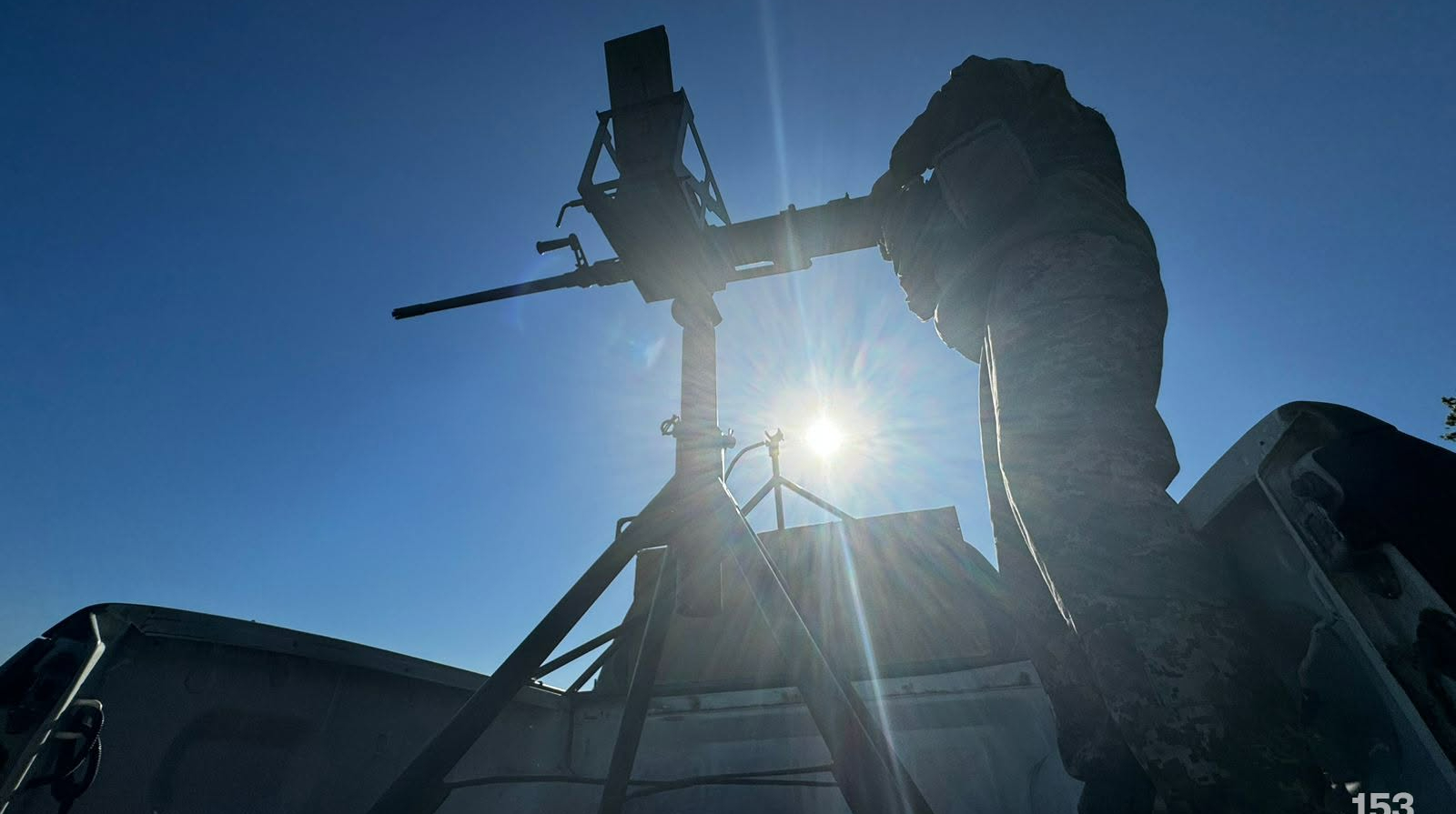
Russia has subjected Kyiv to two consecutive days of intense drone attacks, deploying a new type of missile drone alongside hundreds of strike UAVs. Over the 48 hours spanning 27–28 August 2026, Ukrainian air defences shot down or jammed more than 210 aerial threats, but falling debris damaged civilian buildings in the capital.
Day one: 27 August – 11 air raid warnings, residential damage
On 27 August, the air-raid siren sounded 11 times in Kyiv, according to the Kyiv City Military Administration. Air defence units engaged waves of Russian drones throughout the day. In the evening, emergency services were called to a four-storey residential building in the Podilskyi district where a roof fire had broken out due to falling debris. In the Desnianskyi district, debris also fell on a student dormitory roof Source: Ukrainska Pravda.
No casualties were immediately reported, but the attacks underscored Russia’s determination to wear down Kyiv’s air defence capacity by saturating it with cheap drones.
Overnight assault: 164 drones launched, 137 downed
Overnight on 27–28 August, Russia launched 164 strike drones against Ukraine, the Air Force reported. The arsenal included Shahed-type UAVs (half of them jet-powered), Gerbera drones and Parodiya decoy drones, launched from Oryol, Bryansk, Millerovo in Russia, as well as from occupied Donetsk and Hvardiiske in Crimea. By 09:00 on 28 August, Ukrainian air defence – including aircraft, anti-aircraft missile units, electronic warfare and mobile fire groups – had shot down or jammed 137 of them Source: Ukrainska Pravda.
Strikes were recorded at 16 locations across Ukraine, and debris fell at four sites. The attack was still ongoing at the time of reporting, with around ten drones remaining in Ukrainian airspace.
Day two: 28 August – Banderol missile drones join the barrage
On 28 August, Russia escalated further by deploying seven S8000 Banderol missile drones – a relatively new weapon that combines a jet engine with a warhead – along with 96 strike UAVs, more than 70 of which were jet-powered. The Air Force stated that the enemy directed most of these drones towards the Ukrainian capital Source: Ukrainska Pravda.
By 19:00, Ukrainian air defence had shot down or jammed six of the seven Banderol missile drones and 73 of the strike UAVs. Around ten jet-powered strike drones remained in Ukrainian airspace as evening fell.
Strategic significance
The back-to-back attacks demonstrate Russia’s willingness to expend significant drone stocks to pressure Kyiv and test its air defence network. The introduction of the S8000 Banderol – a missile drone that can be harder to intercept than conventional UAVs – marks a tactical shift. However, Ukraine’s layered defence, combining missile systems, electronic warfare and mobile fire groups, continues to achieve high interception rates.
Beyond the capital, Russia also struck warehouses and commercial infrastructure in Kyiv Oblast, including a Roshen confectionery warehouse in Boryspil district and a Comfy electronics distribution centre, indicating a broader campaign against economic targets.
For Ukraine’s allies, the attacks reinforce the need for sustained deliveries of air defence ammunition and electronic warfare systems. For Kyiv’s residents, the constant sirens and debris falls are a grim reminder that the war remains close to home, even as front-line fighting grinds on in the east and south.
As of the evening of 28 August, no new waves had been detected, but the Air Force warned that the threat remains high. Kyiv is likely to see more such nights ahead.
Sources
Part of the dossier
Russia Drone Attacks on Kyiv →