Kyiv under round-the-clock drone assault: government plans two-tier alert system as Russia readies energy strikes
Russia's new tactic of round-the-clock drone strikes on Kyiv has caused record air raid alerts, forcing Ukraine to plan a two-tier warning system. Over 38 civilians were killed in a single strike on Myla, while air defense maintains high interception rates. Russia threatens large-scale strikes on energy infrastructure.
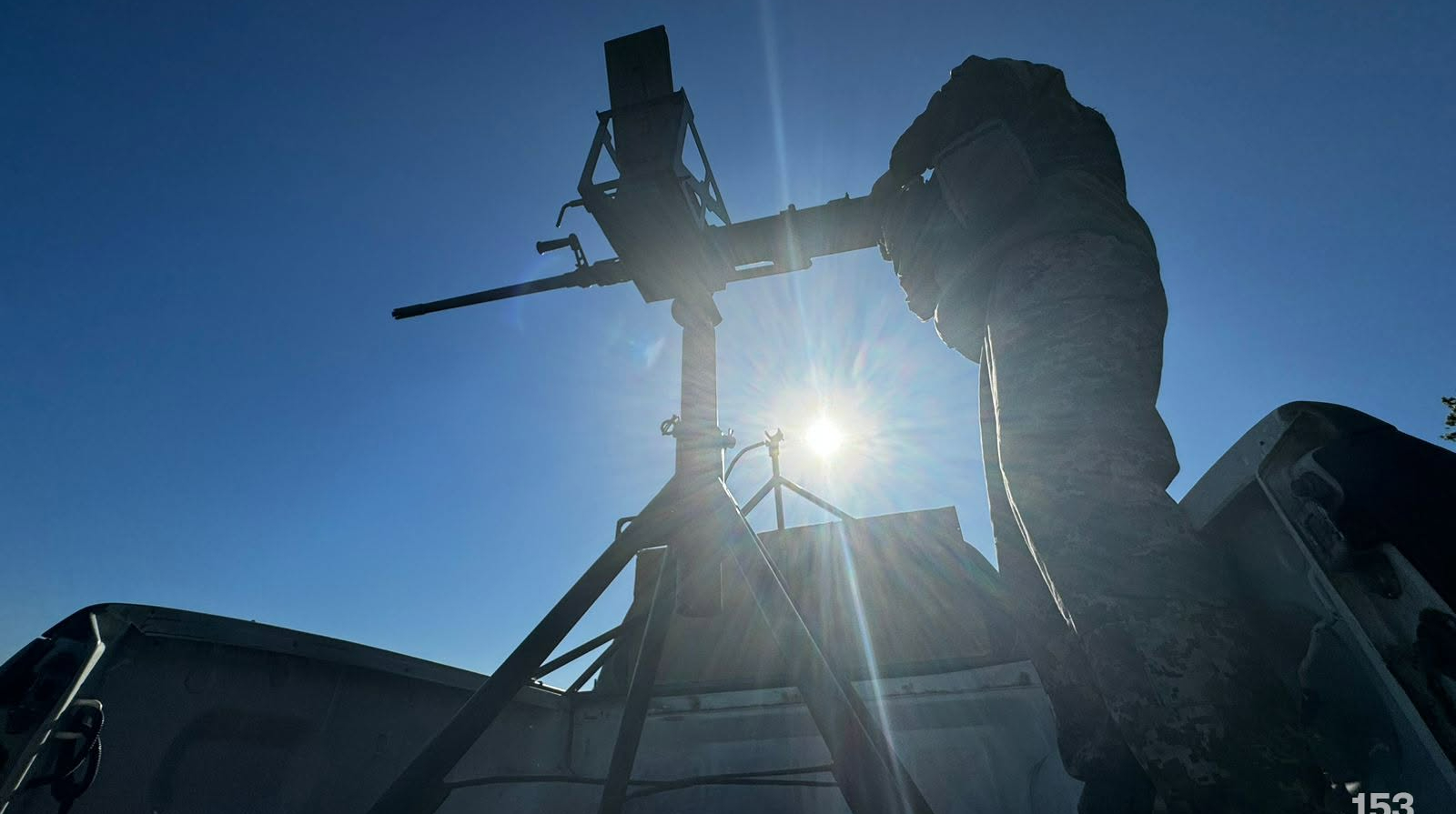
For the first time since the full-scale invasion began in 2022, Kyiv is enduring more than a dozen air raid alerts a day. Russia’s new tactic – launching waves of attack drones around the clock, including during daylight hours – has forced the Ukrainian government to plan a two-tier warning system that would allow some normal activity during less severe threats, officials told the BBC.
According to BBC Verify analysis, air raid sirens have sounded on average 10 times a day since the round-the-clock attacks began in late August. On 27 August alone, the alert was issued 11 times, with air defence engaging Russian drones and debris falling on a residential building in Podilskyi district and a student dormitory in Desnianskyi district, the Kyiv City Military Administration reported Ukrainska Pravda.
The scale of the attacks is unprecedented. On the night of 27–28 August, Russia launched 164 strike drones; Ukrainian air force said it downed or jammed 137 Ukrainska Pravda. The following day, Russia attacked with seven S8000 Banderol missile drones and 96 strike UAVs, most targeting Kyiv, with air defence shooting down six Banderols and 73 UAVs Ukrainska Pravda. On 29 August, the assault peaked at 224 attack UAVs, of which 199 were downed – but a two-year-old girl was killed in the Obolonskyi district when a drone crashed into a café Ukrainska Pravda.
The new tactic of daytime strikes has caused huge disruption. Pupils are forced to leave classrooms, workers their offices, and overland trains stop, stranding commuters. President Volodymyr Zelensky held an emergency meeting with ministers and commanders to accelerate production of high-speed interceptors, the BBC reported. Diplomats warn that Russia may produce fast attack drones faster than Ukraine can develop new countermeasures BBC.
The most lethal single incident occurred on 30 August in the village of Myla, Kyiv Oblast. A Russian drone strike triggered the detonation of ammunition, killing 38 people, including residents of the Dobryi Dim care home for the elderly. Relatives described the horror of discovering the burned-out building only after the fact Ukrainska Pravda.
There was a brief pause in attacks on 6 September while US envoys visited Kyiv for talks about ending the war, but the respite was short-lived. On 1 September, Ukraine downed 82 of 99 strike UAVs during the day, with around 10 remaining in the air Ukrainska Pravda.
Meanwhile, Russia’s Defence Ministry announced it is preparing for large-scale strikes on Ukrainian energy infrastructure, claiming the attacks are a response to Ukrainian strikes on civilian infrastructure in Russia, according to state news agency TASS Ukrainska Pravda. Ukraine has reportedly accumulated enough gas reserves to cover the baseline winter scenario, but the threat of systematic strikes on the power grid remains a serious concern.
The Ukrainian government’s proposed two-tier warning system would differentiate between full-scale threats requiring immediate shelter and lower-level alerts that allow people to continue working or studying while staying vigilant. The system is still being refined, but it reflects the painful reality that Kyiv must learn to live with daily drone attacks for the foreseeable future.
As of 7 September, air defence continues to achieve high interception rates – downing roughly 80–90% of incoming drones – but the sheer volume of attacks, combined with the use of jet-powered drones and decoys, is straining resources. The question now is whether Ukraine can sustain this tempo of defence while Russia appears to be gearing up for a winter campaign targeting energy infrastructure.
Sources
- Explosions rock Kyiv throughout the day due to Russian drones: damage reported August 27, 2026
- Russia launches 164 drones at Ukraine, strikes recorded at 16 locations August 28, 2026
- Russia attacks Ukraine with Banderol missile drones and strike UAVs throughout day – Air Force August 28, 2026
- Russia attacked Ukraine with 224 drones during the day, mostly targeting Kyiv August 29, 2026
- Air raids, conscripts and China: How Myanmar’s military is regaining ground August 30, 2026
- Russian Defence Ministry says it is preparing for large-scale strikes on Ukrainian energy infrastructure August 30, 2026
- "Only ashes and bones left": what is known about those killed in Russian strike on ammunition depots in Myla August 30, 2026
- Air defence downs 82 attack drones during the day, including 57 jet-powered UAVs September 1, 2026
- Kyiv air raid alerts at record high as Russia launches round-the-clock strikes September 7, 2026
Part of the dossier
Russia Drone Attacks on Kyiv →