Nord Stream Case and Energy Turmoil: Ukraine Suspect Faces New Charge as European Gas Prices Surge
European gas prices hit €80/MWh on 9 Sept as Iran-US conflict blocks Strait of Hormuz. Meanwhile, Ukrainian suspect Volodymyr Zhuravlev faces a new charge in the Nord Stream sabotage case, straining Germany-Ukraine ties. The two events highlight Europe's persistent energy vulnerabilities.
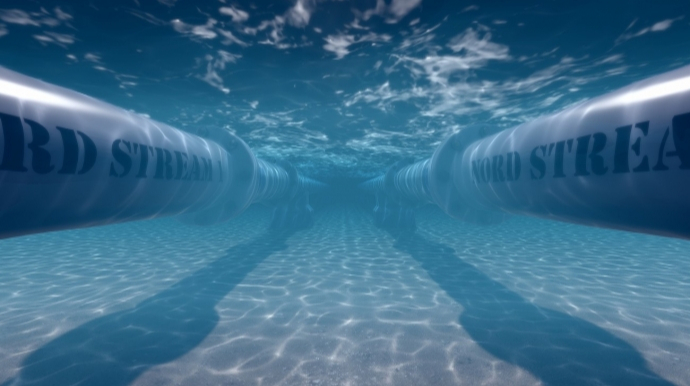
European natural gas prices briefly climbed past €80 per megawatt-hour on Wednesday, 9 September 2026, the highest level since January 2023, driven by the conflict between the United States and Iran blocking the Strait of Hormuz and renewed Houthi escalation in Yemen NL Times. The price spike, which sent the Amsterdam Stock Exchange down 1.3%, underscores Europe’s lingering vulnerability to energy shocks – a vulnerability that was brutally exposed by the 2022 sabotage of the Nord Stream pipelines.
That sabotage case took a new turn on 4 September, when German prosecutors filed an additional charge against Ukrainian suspect Volodymyr Zhuravlev, a 46-year-old professional diver and father of three Ukrainska Pravda. Zhuravlev was arrested in the Croatian city of Pula on 19 August and is awaiting extradition to Germany. He had been working as a consultant on a Hollywood film directed by Doug Liman (of The Bourne Identity fame) about the Nord Stream operation, titled Snake Island, starring Sean Penn and Adrien Brody Al Jazeera.
Another accused member of the sabotage team, Serhii Kuznetsov, was arrested in Italy last year and is also being extradited. The new charge against Zhuravlev – whose exact nature has not been publicly detailed – further complicates an already tense relationship between Berlin and Kyiv. The destruction of the Nord Stream 1 and 2 pipelines on 26 September 2022, which created a kilometre-wide methane geyser in the Baltic Sea, epitomised the failure of Germany’s long-standing “change through trade” policy toward Russia, according to analysts cited by Al Jazeera. That policy, which sought to soften Moscow’s leadership through mercantile ties, ended with pressurised gas from Russia’s Yamal peninsula no longer flowing to Germany’s Baltic coast.
For Ukraine, the Nord Stream bombings have become a diplomatic minefield. While Kyiv has consistently denied any state involvement in the sabotage, the arrest of Ukrainian nationals has fuelled suspicions in Berlin and strained an already fragile alliance. German officials have publicly stressed the need for a thorough investigation, but the case is testing the limits of solidarity against Russia’s full-scale invasion.
Meanwhile, the energy landscape that the Nord Stream destruction helped reshape is now facing fresh shocks. Wednesday’s gas price surge – briefly touching €80/MWh on the Dutch TTF benchmark – was triggered by the U.S.-Iran confrontation in the Persian Gulf, which has left the Strait of Hormuz almost entirely blocked, and by the Houthi rebels’ escalating campaign against shipping in the Bab al-Mandeb strait NL Times. Brent crude oil climbed past $100 a barrel. The Netherlands Authority for Consumers and Markets (ACM) reported that gas prices under standard energy contracts rose more than 6% in August compared with July, and were 11% higher than a year earlier.
The two stories – the Nord Stream case and the new energy crisis – are not directly linked, but they both expose the fragility of Europe’s energy security. The 2022 sabotage removed a major Russian gas supply route, forcing Germany and other European countries to scramble for alternatives. Now, those alternatives – primarily LNG from the global market – are being squeezed by Middle East turmoil. The Nord Stream bombings remain a symbol of how energy infrastructure can be weaponised; the current price spike is a reminder that Europe has not yet built a system resilient enough to withstand multiple simultaneous geopolitical shocks.
As the legal proceedings against Zhuravlev and Kuznetsov move forward, Berlin and Kyiv will have to manage the fallout. The Hollywood film in production only adds a surreal layer to a story that already reads like a thriller – but for European consumers facing higher heating bills, the consequences are all too real.
Sources
- Why the 2022 Nord Stream bombings muddle Berlin-Kyiv ties August 31, 2026
- Nord Stream case: Ukrainian suspect faces new charge September 4, 2026
- European gas prices hit highest level since 2023; Significant losses at stock exchange September 9, 2026
Part of the dossier
Nord Stream and European Energy Politics →