Norway Steps Up: Air Defence, FREYJA Programme, and Winter Aid for Ukraine
Ukrainian President Zelenskyy and Norway's PM agreed to strengthen Ukraine's air defence, including the FREYJA anti-ballistic programme and interceptor missiles, while coordinating winter preparations. Norway also disclosed details of a threat to Zelenskyy's aircraft.
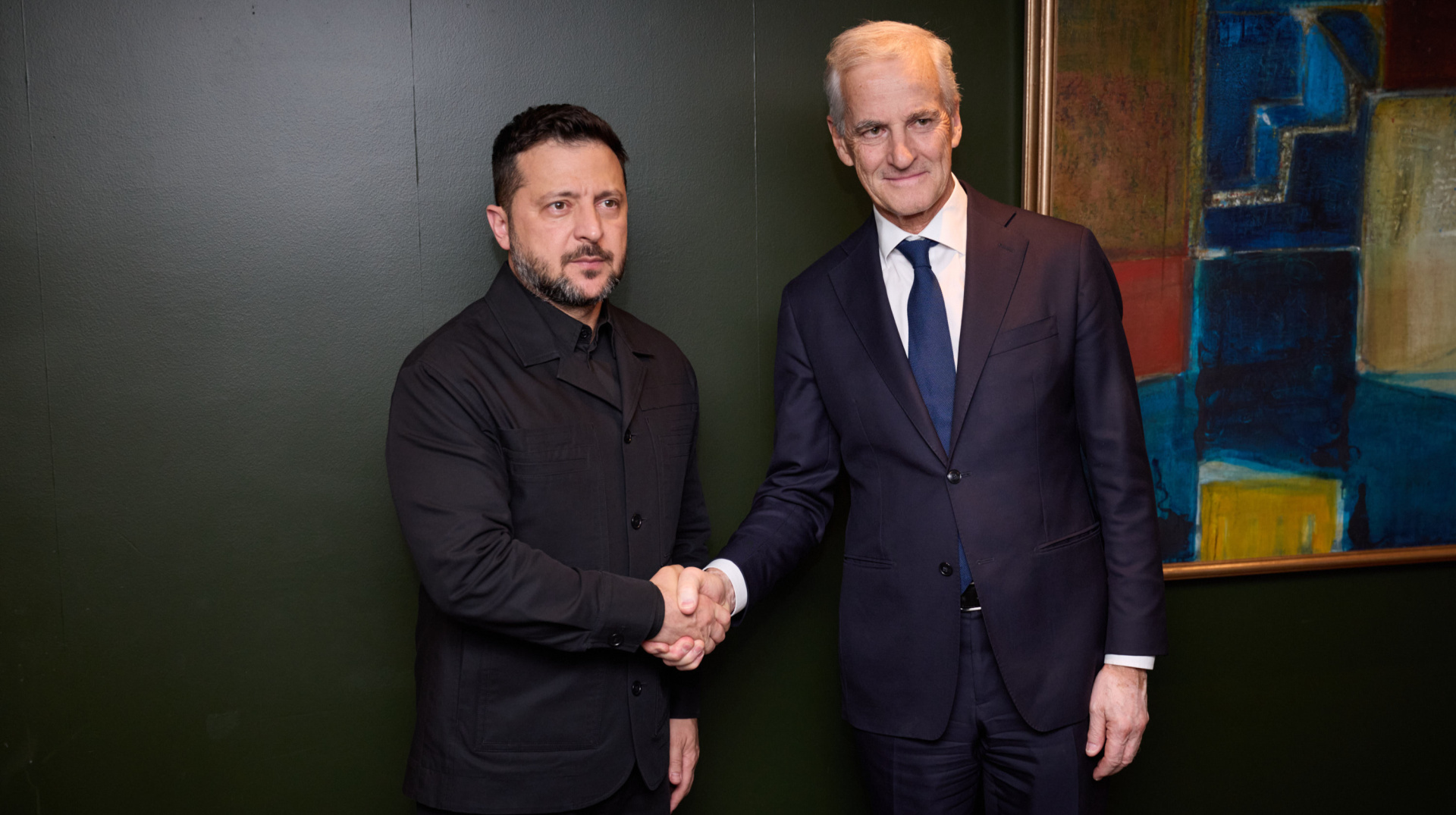
Ukrainian President Volodymyr Zelenskyy and Norway’s Prime Minister held talks on 8–9 September 2026 that yielded concrete steps to reinforce Ukraine’s air defence and brace the country for winter. The discussions, reported by both the Ukrainian and Norwegian governments, centred on the delivery of interceptor missiles, the expansion of the FREYJA anti-ballistic programme, and a coordinated package of winter aid.
According to a statement from the Ukrainian President’s Office, Zelenskyy and the Norwegian Prime Minister “discussed strengthening Ukraine’s air defence, including the supply of interceptor missiles and the development of the FREYJA anti-ballistic programme.” The FREYJA programme, named after the Norse goddess, is a Norwegian-led initiative to provide Ukraine with a layered defence against ballistic missiles. The system integrates radars, command-and-control nodes, and missile interceptors designed to counter short- and medium-range ballistic threats — a capability Kyiv has urgently requested as Russia increasingly employs Iskander-M and Kh-47M2 Kinzhal missiles against critical infrastructure.
Norway has been a consistent donor of air defence systems since the full-scale invasion began. In 2024, Oslo committed to a multi-year package that included NASAMS batteries and training. The FREYJA programme, first announced in early 2026, represents a deepening of that commitment. The precise financial and technical details of the programme remain classified, but Norwegian defence officials have previously indicated that it involves co-development with Ukrainian engineers and the deployment of Norwegian-produced radar systems along Ukraine’s eastern front.
Source: Ukrainska Pravda – Zelenskyy and Norway's PM discuss Freyja anti-ballistic programme
Winter preparations, a perennial challenge for Ukraine, also topped the agenda. The two leaders agreed on a package of generators, transformers, and mobile heating points to be delivered before the first snowfalls. Norway has already sent more than 1,000 generators to Ukraine since 2022. The new tranche is intended to protect the civilian population and the energy grid from the Russian tactic of striking thermal and hydroelectric plants during cold months. The Ukrainian side stressed the need to preposition equipment near front-line cities such as Kharkiv, Zaporizhzhia, and Kherson, where shelling routinely cuts power and water.
Separately, the Norwegian government provided further details on a security incident involving Zelenskyy’s aircraft. On 9 September, Oslo confirmed that Norwegian intelligence had detected a “credible threat” against the presidential plane during a previous visit, prompting enhanced security measures. The statement did not specify the nature of the threat or whether Russian involvement was suspected, but it noted that the incident had been “successfully mitigated” and that no harm came to the president or his delegation. This disclosure underscores the persistent risks faced by Ukrainian leadership while travelling abroad.
Source: Ukrainska Pravda – Norwegian government gives further details on threat to Zelenskyy's plane
For Ukraine, the Norwegian commitments arrive at a critical juncture. The autumn of 2026 has seen a spike in Russian missile strikes targeting air defence radars and command posts, part of an apparent attempt to degrade Ukraine’s protective umbrella before winter. The FREYJA programme, in particular, aims to close the gap in the lower tier of ballistic missile defence — a gap that Russian planners have exploited in recent months. By pairing interceptor missiles with advanced early-warning radars, the system is designed to give Ukrainian crews precious seconds to engage incoming threats.
The strategic significance of the talks extends beyond hardware. Norway, a NATO member with a long Arctic border with Russia, has become one of Ukraine’s most reliable partners in the defence sector. The two countries have also deepened intelligence-sharing on Russian missile tests and satellite tracking. With the FREYJA programme, Oslo is effectively investing in a Ukrainian capability that could eventually be integrated into NATO’s broader missile defence architecture — a step that would further bind Ukraine to the alliance.
No timeline for the delivery of the interceptor missiles or the full operationalisation of FREYJA has been made public. But the speed of previous Norwegian aid — such as the rapid deployment of NASAMS in 2022 — suggests that at least some components could be in Ukrainian hands before the onset of the heaviest winter fighting.
For European readers following the war, the takeaway is clear: Norway is not only sustaining its support but tailoring it to Ukraine’s most pressing needs — air defence against ballistic missiles and resilience against winter blackouts. The threat to Zelenskyy’s plane, meanwhile, serves as a reminder that the conflict’s dangers extend beyond the battlefield.
Sources
Part of the dossier
Ukraine Air Defence and Winter Preparations with Norway →