Norway and Canada Deepen Air Defence Ties with Ukraine as Winter Looms
Ukraine secures CAD 350 million Canadian package of PAC-3 interceptors and NASAMS missiles, while continuing FREYJA talks with Norway ahead of winter. Ukrainian forces down 85 of 108 Russian drones in one night as allies race to reinforce air defences.
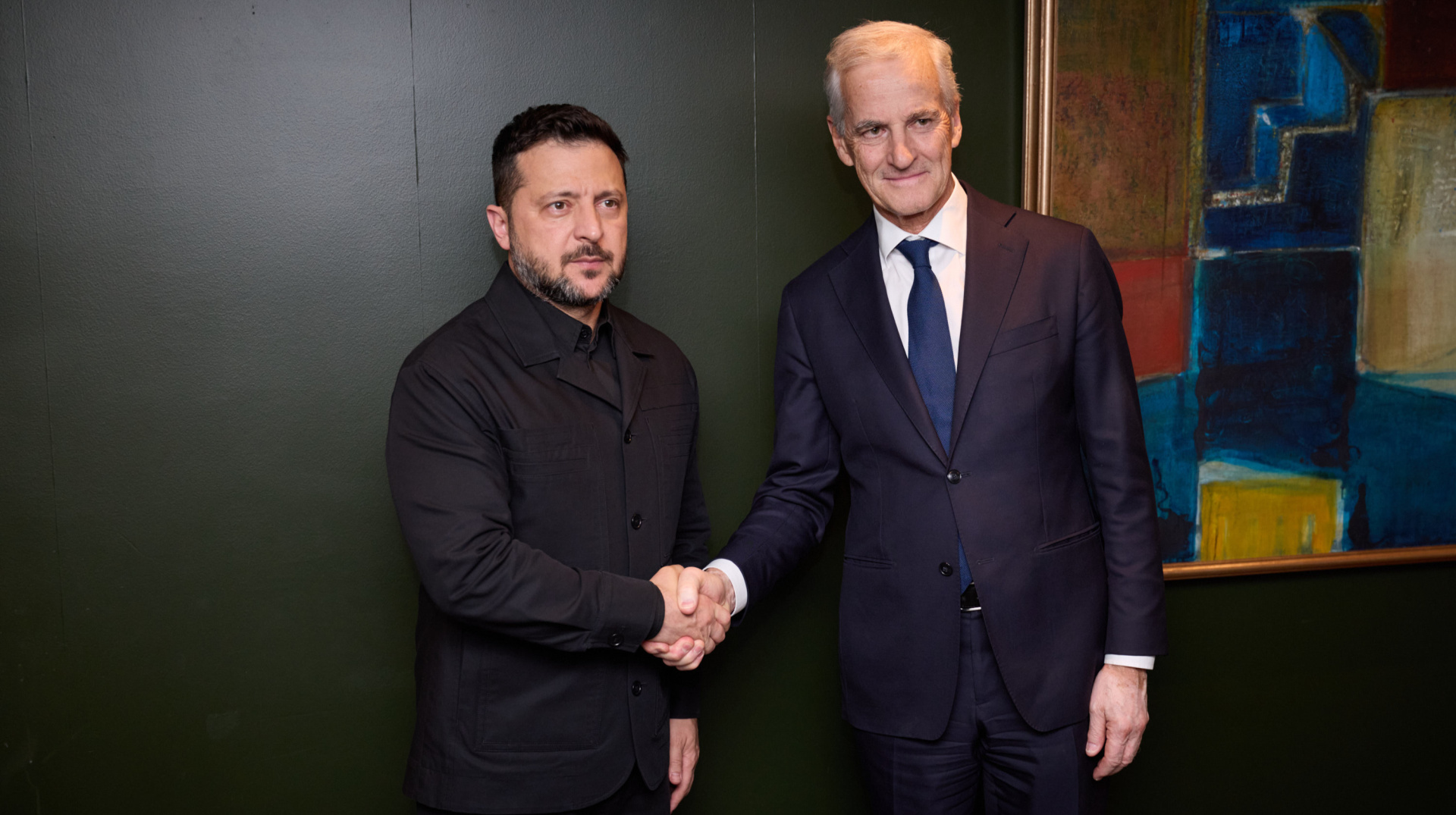
Ukraine is racing to reinforce its air defences before winter, securing new missile packages from Canada and continuing strategic talks with Norway on the FREYJA anti-ballistic programme. The flurry of diplomatic activity comes as Ukrainian forces reported intercepting 85 out of 108 Russian drones in a single night, with hits recorded at seven locations.
Canadian Package: PAC-3s and NASAMS Missiles
President Volodymyr Zelenskyy revealed on 14 September that Canada will purchase PAC-3 interceptors for Patriot systems worth CAD 350 million, but the package goes further. In a meeting with Canadian Prime Minister Mark Carney, Zelenskyy said Ottawa will also supply AIM-9 and AIM-120 missiles for NASAMS systems and help procure equipment from other nations that cannot sell directly to Ukraine.
"The Prime Minister announced the purchase of PAC-3 anti-ballistic missiles for Patriot systems worth CAD 350 million," Zelenskyy told Ukrinform. "Beyond that, we discussed AIM-9 and AIM-120 missiles with him. These are relevant missiles that we also use for air defence in NASAMS anti-aircraft systems, which protect many different facilities, including energy infrastructure."
The Canadian aid comes as Kyiv prepares for a winter campaign of Russian strikes on the power grid. Last week, Zelenskyy and Carney signed a declaration establishing a 100-year partnership aimed at elevating bilateral relations to a comprehensive strategic partnership. Ukraine also expects to sign a "Drone Deal" with Canada on the sidelines of the UN General Assembly in late September.
Norwegian Talks on FREYJA and Winter Preparations
Throughout early September, Zelenskyy held a series of meetings with Norwegian Prime Minister Jonas Gahr Støre. On 8 September, the two leaders discussed strengthening Ukraine's air defence and preparing for winter. A day later, they focused specifically on the FREYJA anti-ballistic programme, an initiative to provide Ukraine with advanced missile defence capabilities.
Norwegian authorities also provided further details on a threat to Zelenskyy's plane, though specifics remain classified. The development underscores the high-stakes security environment surrounding Ukrainian leadership during wartime.
Meeting with Iceland on Energy Protection
On 10 September, Zelenskyy met Icelandic Foreign Minister Þórdís Kolbrún R. Gylfadóttir to discuss air defence and protecting energy infrastructure. Iceland, a non-NATO member that has consistently supported Ukraine, is unlikely to provide major weapon systems but may contribute funding or technical assistance for winter hardening.
Overnight Drone Attack: 85 of 108 Downed
On the night of 13-14 September, Russian forces launched 108 Shahed (including jet-powered variants) and Gerbera attack drones, along with Parodiya decoy UAVs, the Ukrainian Air Force reported. As of 08:00, Ukrainian defences had destroyed or jammed 85 of them. Hits were recorded at seven locations, though the Air Force did not specify casualties or damage.
Aircraft, anti-aircraft missile units, electronic warfare teams, unmanned systems units, and mobile fire groups all participated in the response. The attack was still ongoing at the time of the report, with several drones remaining in Ukrainian airspace.
Strategic Context
Russia has systematically sought to degrade Ukraine's energy grid ahead of winter, using mass drone swarms to overwhelm air defences. The Canadian PAC-3s and NASAMS missiles are designed to counter ballistic missiles and cruise missiles that threaten critical infrastructure. The FREYJA programme with Norway aims to provide a longer-term solution against Russian ballistic threats.
"Protecting Ukrainian airspace remains a key priority," Zelenskyy said after the Canadian announcement, highlighting the urgency of building a layered defence before temperatures drop.
Ukraine's allies are responding with an unusually rapid pace of commitments, but the gap between pledges and deliveries remains a concern. The coming weeks will test whether these new systems can be integrated in time for the expected winter campaign.
Sources
- Zelenskyy and Norwegian PM discuss strengthening Ukraine's air defence and preparing for winter September 8, 2026
- Zelenskyy and Norway's PM discuss Freyja anti-ballistic programme September 9, 2026
- Zelenskyy meets Icelandic foreign minister to discuss strengthening air defence and protecting energy infrastructure September 10, 2026
- Norwegian government gives further details on threat to Zelenskyy's plane September 9, 2026
- Ukraine's air defence downs 85 out of 108 Russian drones: hits recorded at seven locations September 14, 2026
- Zelenskyy reveals details of Canadian air defence assistance September 14, 2026
Part of the dossier
Ukraine Air Defence and Winter Preparations with Norway →