Russian Strike Paralyzes Odesa Public Transport, Disrupts Rail Services Across Ukraine
Russian strikes on Odesa infrastructure on 1-2 September caused a power shortage, halting all trams and trolleybuses. Dozens of trains across Ukraine were delayed by up to 10 hours due to the same attack. A border checkpoint with Moldova resumed operations on 9 September after a separate incident.
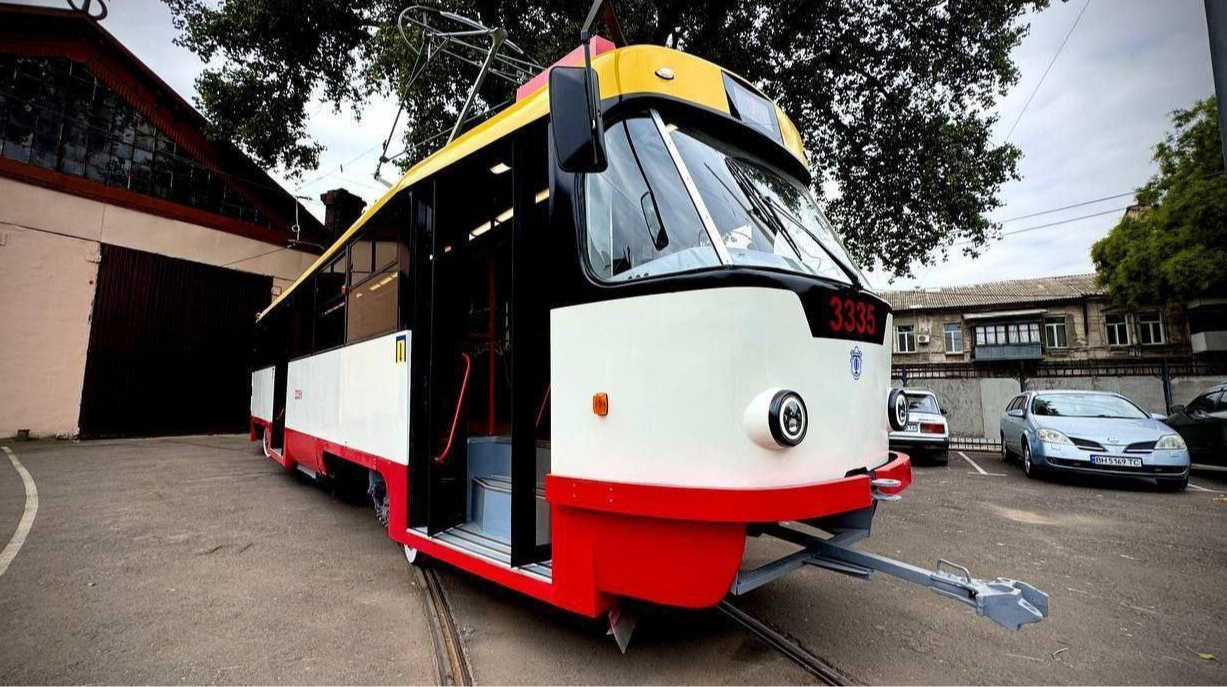
A wave of Russian missile and drone strikes on the night of 1–2 September has knocked out electric public transport in Odesa and sent dozens of passenger trains across Ukraine hours behind schedule, Ukrainian authorities reported. The attacks underscore the Kremlin’s continued targeting of civilian infrastructure far behind the front line.
Odesa trams and trolleybuses grounded
The Odesa City Council announced on 2 September that all electric-powered trams and trolleybuses had been temporarily suspended Source: Odesa City Council press service, via Ukrainska Pravda. The halt was caused by insufficient power capacity after Russian strikes hit energy infrastructure in the city during the night. Residential buildings and other infrastructure facilities were also damaged, and injuries were reported, though the council did not specify numbers.
“All electric-powered public transport in the city has temporarily ceased operations. Trams and trolleybuses are not running due to a lack of electricity following the overnight attack on infrastructure,” the council said in a statement. Passengers were advised to plan their routes accordingly and await further updates on resumption. As of 9 September, no official word on restoration had been released.
Wider rail network hit by delays
The same night’s bombardment, which included ballistic missiles, air-launched missiles, Banderol cruise missiles and drones, triggered prolonged air-raid warnings across several regions. The resulting security protocols forced dozens of passenger trains to deviate from their timetables, according to data from Ukrzaliznytsia, Ukraine’s state railway company Source: Ukrzaliznytsia timetable, via Ukrainska Pravda.
Delays ranged from three and a half hours to nearly ten hours. By the afternoon of 2 September, some trains had managed to recover part of the lost time and were expected to reach their final stations about two hours earlier than previously feared, depending on the security situation.
“Dozens of trains fell behind schedule due to Russian strikes and prolonged air-raid warnings,” the railway operator noted. The disruptions affected both domestic and international routes, compounding the already difficult journey for thousands of passengers.
Border checkpoint resumes after separate attack
On a related note, a checkpoint on the border with Moldova – whose location was not specified – resumed operations on 9 September following a Russian attack Source: Ukrainska Pravda. No further details about the incident or the extent of the suspension were provided. The reopening suggests that repairs at that post were completed within about a week, though the broader vulnerability of Ukraine’s border infrastructure remains a concern.
Strategic significance
The strikes on Odesa and the wider railway network are part of Russia’s campaign to degrade Ukraine’s energy and transport systems ahead of winter. By cutting power to public transport in a major port city and delaying rail connections across the country, Moscow aims to increase the burden on civilian life and logistics. The knock-on effects – commuters stranded, supply chains interrupted, and travel plans upended – serve as a daily reminder of the war’s cost even away from the front.
Ukraine has repeatedly called for more air-defence systems to protect critical infrastructure from such attacks. The United States and European allies have pledged additional Patriot and NASAMS batteries, but deliveries have been slow. Meanwhile, Odesa residents are left waiting for trams that may not run again until power is fully restored – a timeline the city council has yet to provide.
Sources
- Electric-powered public transport out of service in Odesa after Russian attack September 2, 2026
- Dozens of trains fall behind schedule due to Russian strikes September 2, 2026
- Checkpoint on border with Moldova resumes operations after Russian attack September 9, 2026
Part of the dossier
Odesa Public Transport Suspended After Russian Strike →