Putin Acknowledges Drones as Russia's 'Main Challenge' as Zelenskyy Warns Airlines to Avoid Russian Airspace
Zelenskyy warns airlines to avoid Russian airspace as Ukraine escalates drone strikes. Putin calls it 'state terrorism,' acknowledges drones as Russia's main challenge, and promises retaliatory strikes on Ukrainian energy infrastructure. The drone war now poses direct risks to civilian aviation and signals a new phase of the conflict.
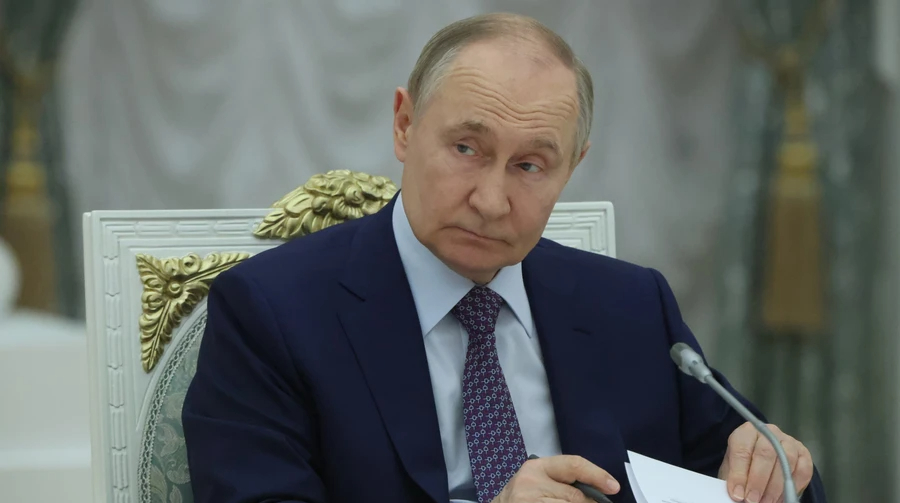
The escalating drone war between Ukraine and Russia is now spilling into civilian aviation, with Ukrainian President Volodymyr Zelenskyy warning airlines that Russian airspace is becoming unsafe, and Russian President Vladimir Putin responding by branding the warning a “bid for state terrorism.”
Speaking at the Shanghai Cooperation Organisation summit in Bishkek on 1-2 September, Putin acknowledged that drones have become the main challenge for Russian forces across all domains – underwater, at sea, on land and in the air. “This is a serious challenge for us,” he said, according to Interfax-Russian Source: Ukrainska Pravda.
The comments came a day after Zelenskyy, in his nightly address on 1 September, told airlines and insurers that Russian airspace is “becoming completely dangerous” because of the growing scale of Ukrainian drone operations. “There will simply be drones in Russia’s skies on a scale that has to be taken into account,” he said Source: BBC News.
Putin’s Response: ‘State Terrorism’ and Retaliatory Strikes
Putin described Zelenskyy’s warning as a “bid for state terrorism” and said that if such “tragedies” occur, Russia will find a way to respond. He reiterated that the Russian armed forces had been instructed to carry out large-scale retaliatory strikes against Ukrainian energy infrastructure Source: Ukrainska Pravda.
The Russian leader also linked a drone incident at Leipzig/Halle Airport in early August – where a drone carrying explosives was discovered near a Ukrainian Antonov cargo aircraft – to Germany’s domestic political crisis. “Businesses are closing and jobs are being lost. It is unclear why all this is being done. There is only one explanation: the need to confront an aggressive Russia. But where is the evidence?” he said Source: Ukrainska Pravda. German Interior Minister Alexander Dobrindt had on 1 September stated that Russia was responsible for that incident.
Strategic Implications for European Airlines and Energy
Most Western commercial airlines already avoid Russian airspace due to the war, but carriers from countries such as China continue to operate flights to Moscow and St Petersburg. Aviation risk advisory firm Osprey Flight Solutions warned clients that daily attacks deep inside Russia are “almost certain to continue” this year, and that “miscalculation and/or misidentification is likely in areas related to the Ukraine conflict” Source: BBC News. Zelenskyy specifically directed his warning to airlines still using Russian airports in major cities, including St Petersburg and Moscow.
The threat to civilian aviation is not theoretical. The downing of Malaysia Airlines flight MH17 in 2014 over eastern Ukraine by Russian-backed separatists killed 298 people. Zelenskyy stressed that Ukraine does not threaten civilian aircraft, but that the sheer number of drones in Russian airspace creates a risk of misidentification.
The Drone Escalation: Targets and Scale
Ukraine has dramatically expanded its strike range in recent months. On the night of 29-30 August, Ukrainian forces struck the Kirishi oil refinery in Leningrad Oblast and the Yeysk air base in Krasnodar Krai – both hundreds of kilometres from the front line Source: Ukrainska Pravda. Military sources say Ukraine is now capable of launching several hundred drones per day and is chasing a target of 1,000 drones daily to hurt Russia’s economy Source: The Guardian.
Putin acknowledged the challenge but claimed Russia will meet its objectives in countering drones, citing increased production at defence companies. However, the repeated successful strikes on oil refineries and air bases suggest Russian air defences are struggling to keep pace.
Diplomacy Frozen, but Channels Open
Putin also confirmed that negotiations with Ukraine are currently frozen, though he left the door open for “positive proposals” from intermediaries. He specifically mentioned being comfortable working with people close to former US President Donald Trump, including Steve Witkoff and Jared Kushner, and noted that contacts between intelligence officials – including CIA Director John Ratcliffe’s recent visit to Moscow – occur on a regular basis Source: Ukrainska Pravda.
What This Means for the Coming Winter
With winter approaching, Putin’s promise of intensified strikes on Ukrainian energy infrastructure echoes the pattern of 2022-2023, when Russia systematically targeted Ukraine’s power grid. Ukraine’s ability to strike deep into Russia with drones may serve as a deterrent, but the risk to civilian aviation and the broader escalation of the conflict remains high. For European readers, the key takeaway is that the airspace over a significant portion of Russia is no longer safe for any airline, and that the drone war is now a central strategic factor – one that Putin himself has admitted is his forces’ main challenge.
Sources
- Putin calls Zelenskyy's warning about Russian airspace "bid for state terrorism" September 1, 2026
- Putin says negotiations are currently frozen September 1, 2026
- Putin: Drones are the main challenge for Russian forces September 1, 2026
- Zelensky says airlines should avoid Russian airspace as Ukraine escalates drone operations September 2, 2026
- Putin links Leipzig airport drone incident to crisis in Germany September 2, 2026
- Russian airspace becoming unsafe for commercial airlines, Zelenskyy says September 2, 2026
Part of the dossier
Russia-Ukraine Airspace Conflict →