Inside Ratcliffe's Moscow Visit: US Sought to Head Off Russian Mobilisation as Ukraine Paid the Price in Chernihiv
CIA Director Ratcliffe visited Moscow amid US intelligence of possible Russian mobilisation; Washington asked Ukraine to pause strikes on Moscow and St Petersburg. Meanwhile, a Russian drone strike killed a mother and daughter in Chernihiv, and a Moscow court upheld a 15-year sentence for a Ukrainian pensioner.
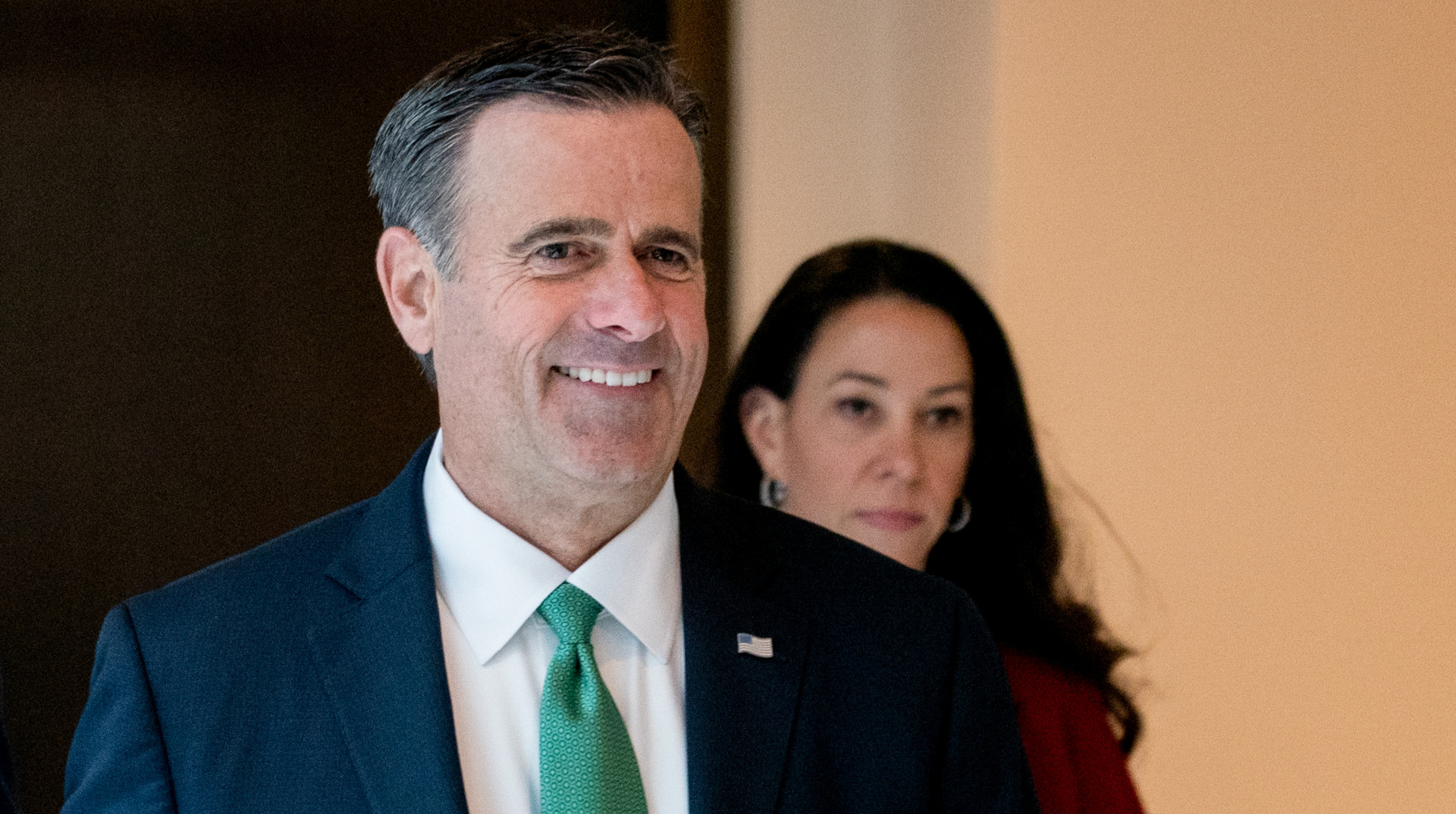
CIA Director John Ratcliffe made an unannounced visit to Moscow on 25–26 August — the first by a CIA chief since November 2021 — amid US intelligence warnings that Russia was preparing for a possible military mobilisation. Washington asked Ukraine to refrain from strikes on Moscow and St Petersburg during the trip, a request that Ukrainian officials confirmed but which underscored the delicate balancing act Kyiv must perform as it fights a war for survival.
According to Axios, the US informed Ukraine ahead of Ratcliffe’s departure that a senior delegation was heading to the Russian capital and asked Kyiv to pause long-range strikes until the delegation left. Ukrainian government sources later clarified to Suspilne that the request specifically covered Moscow and St Petersburg, not all of Russia.
The visit was prompted by intelligence that Moscow was making early preparations for a new wave of mobilisation, The Wall Street Journal reported, citing US officials. Analysts suggested Ratcliffe may have met President Vladimir Putin to deliver a warning, but the Kremlin later said he only met with Russian intelligence services. “There were contacts with the intelligence services. There were no meetings with the president of Russia,” Kremlin spokesman Dmitry Peskov told reporters, according to the BBC. Peskov described intelligence contacts as “a positive phenomenon” that continue even during the most difficult moments in bilateral relations.
US Senator Richard Blumenthal, speaking at a press conference in Kyiv, said he hoped Ratcliffe had delivered a blunt warning. “My hope is that he delivered a warning about escalation, namely forget about it. There will be consequences,” Blumenthal said, as reported by European Pravda. He added that Putin must know the United States will be engaged if he contemplates escalation.
While the CIA director was in Moscow, the war continued to exact a terrible human toll. On the morning of 26 August, a Russian drone struck a residential building in Chernihiv, killing 49-year-old pharmacy worker Olena Bila and her four-year-old daughter Zhanna. Olena’s 14-year-old daughter was injured and hospitalised. The pharmacy chain where Olena worked, Bazhaiemo Zdorovia, described her as “a kind and compassionate person, a dedicated professional who helped others every day.” Russian forces struck the same address again hours later, wounding four people and leaving workers possibly trapped under rubble.
In a Moscow courtroom on the same day, a 70-year-old Ukrainian pensioner, Svitlana Loi, had her 15-year sentence upheld for donating money to the Ukrainian Armed Forces. Before the judge read the ruling, Loi began singing the Ukrainian folk song Pisnia pro rushnyk (Song About the Towel). The appeal hearing was held behind closed doors, according to Russian outlet Mediazona. Loi, a native of occupied Tokmak in Zaporizhzhia Oblast, had made 24 transfers totalling around $760 from her Ukrainian pension.
Finnish President Alexander Stubb, in an interview with European Pravda, warned that Ukraine must prepare for a difficult winter. “You kind of have to prepare for the worst in order to be able to be ready for it,” Stubb said, adding that Finland is working to supply Ukraine with energy equipment and diesel generators from Finnish manufacturer Wärtsilä. He noted that Ukraine’s defence forces are “basically eliminating 30,000–35,000 Russian troops each month” but stressed that winter remains a serious challenge.
The juxtaposition of Ratcliffe’s diplomacy with the strikes on Chernihiv and the sentencing in Moscow illustrates the grim reality of the war: even as the US tries to deter a Russian escalation, Ukrainian civilians continue to pay the price. The request to pause strikes on Moscow and St Petersburg, while understandable from a diplomatic perspective, is unlikely to sit well with a Ukrainian public that sees no respite from Russian attacks. Whether Ratcliffe’s warning will actually deter Putin from ordering a new mobilisation remains an open question — one that will define the trajectory of the war in the months ahead.
Sources
- Axios: US asks Ukraine not to strike Russia while CIA director is there August 25, 2026
- Putin adviser claims Ukraine planned to invade Russia on 8 March 2022, so Russia attacked first August 25, 2026
- Ukraine clarifies that Washington asked it not to attack Moscow and St Petersburg during CIA chief’s visit August 25, 2026
- Finnish president on winter in Ukraine: we need to be prepared for the worst-case scenario August 25, 2026
- WSJ learns likely reason for CIA director’s visit to Moscow August 25, 2026
- CIA chief met Russian intelligence services but not Putin, Kremlin says August 26, 2026
- Moscow court rejects appeal by pensioner convicted over donations to Ukrainian Armed Forces; she sings Ukrainian song August 26, 2026
- Pharmacy worker and her 4-year-old daughter killed in Russian strike on Chernihiv August 26, 2026
- US senator Blumenthal hopes CIA chief warned Putin in Moscow not to escalate August 26, 2026
Part of the dossier
US asks Ukraine to pause strikes on Russia during CIA director's Moscow visit →