Romania-Russia Tensions Escalate: Drone Debris, Fighter Scrambles, and a Diplomatic Summons
Romania has found multiple drone wrecks on its territory and in the Black Sea, scrambled Spanish F-18s after detecting an aerial asset near Snake Island, and faced Russian retaliation for expelling a diplomat. Russia has now summoned Romania's chargé d'affaires for undisclosed reasons, deepening the rift.
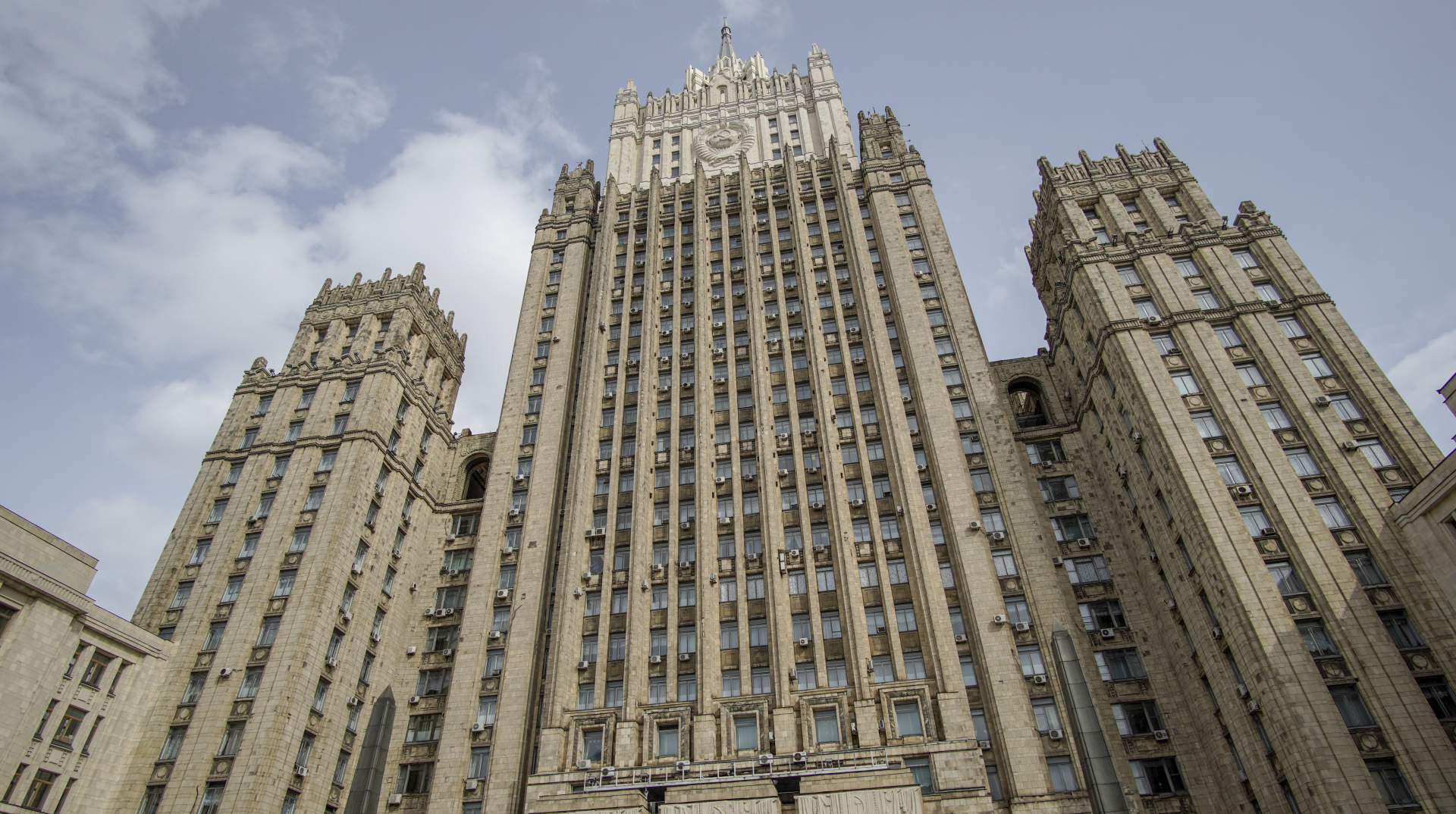
Romania’s relationship with Russia has entered a new phase of open friction. Over the past four months, Bucharest has expelled a Russian diplomat, closed the Russian consulate in Bucharest, and scrambled Spanish F-18s to intercept an unidentified aerial asset near Snake Island. In response, Moscow has shut Romania’s consulate in St Petersburg and, on 26 August, summoned Romania’s chargée d’affaires in Moscow, Liliana Burda, to appear at the Foreign Ministry the following day. The reason for the summons has not been disclosed Source: Ukrainska Pravda.
The diplomatic tit-for-tat is the direct consequence of a string of drone incidents that have brought the war in Ukraine physically to NATO’s eastern doorstep. On 29 May, a Russian drone crashed into a residential building in Galați, eastern Romania. In June, Romania closed the Russian consulate general in Bucharest, and in July it declared a Russian diplomat persona non grata after a drone violated Romanian airspace. Russia retaliated by closing Romania’s consulate in St Petersburg and expelling Romania’s consul general Source: Ukrainska Pravda.
The pattern continued through late summer. On 26 August, Romanian authorities found debris from an unidentified drone on a beach in Olimp, Constanța County. On the same day, drone wreckage was also reported on several beaches in neighbouring Bulgaria Source: Ukrainska Pravda.
The most dramatic incident came on 27 August. Romania’s radar surveillance system detected an aerial asset 33 km north of Ukraine’s Snake Island at 18:27. At 18:41, two F-18 fighter jets from the Spanish Air and Space Force – part of NATO’s enhanced air policing mission – were scrambled to monitor the situation. The Romanian Defence Ministry stated that no incursion into Romanian airspace had been reported, but it issued an RO-Alert notification to residents of northern Tulcea County at 18:44. An on-site investigation was launched to determine whether drone debris had reached the Plauru area and whether it was connected to a fire that broke out Source: Ukrainska Pravda.
The latest development came on 11 September, when Romanian authorities announced they had found the wrecks of multiple drones – both on land and in the Black Sea. The Romanian Ministry of Defence has not yet confirmed whether the fragments originated from Russian drones targeting Ukrainian port infrastructure on the Danube or from Ukrainian air defence interceptions, but the location along the Danube delta and the Black Sea coast strongly suggests spillover from the war Source: Ukrainska Pravda.
For Ukraine Desk readers, these incidents matter because they illustrate the war’s widening geographic footprint and the delicate balancing act NATO members face. Romania has repeatedly scrambled jets and sent RO-Alert warnings to civilians, but it has avoided claiming direct airspace violations – a step that could trigger a more serious military response. At the same time, Russia’s decision to summon Burda – effectively the top Romanian diplomat in Moscow after the consulate closures – signals that the Kremlin views Romania’s actions as a deliberate escalation.
The summons itself remains opaque. The Russian Foreign Ministry gave no public reason, but the timing – the day after the Olimp debris find and the same day as the Snake Island aerial asset detection – suggests Moscow is using the diplomatic channel to signal displeasure without escalating to a public confrontation. Whether Burda received a formal protest, an ultimatum, or simply a dressing-down is unknown.
What is clear is that the war in Ukraine is no longer confined to Ukrainian territory. Drone debris has been found on Romanian beaches, fighter jets have been scrambled over the Black Sea, and the diplomatic machinery is grinding in both capitals. For Romania, the challenge is to defend its sovereignty without being drawn into a direct conflict. For Russia, the aim appears to be to test NATO’s response and to punish any member state that actively supports Ukraine’s defence – including through the closure of consulates and the expulsion of diplomats.
The coming weeks will show whether the diplomatic channels remain open or whether the cycle of retaliation continues. For now, the drone wrecks on Romanian soil are a stark reminder that the front line is closer than many in Europe would like to admit.
Sources
- Russian Foreign Ministry summons Romanian representative August 26, 2026
- Romania scrambles fighter jets due to aerial asset over Black Sea August 27, 2026
- Romania finds wreckage of several drones on land and in Black Sea September 11, 2026
Part of the dossier
Russia-Romania Diplomatic Incident →