Russia pummels Ukraine with 167 drones and missiles overnight as Kyiv explains why truce failed
Russia launched 167 drones and ballistic missiles at 23 locations overnight. Ukraine's General Staff explained why a proposed ceasefire didn't take effect. In August, Russia fired about 2,800 jet-powered drones, and a combat colonel now leads Close Air Defence.
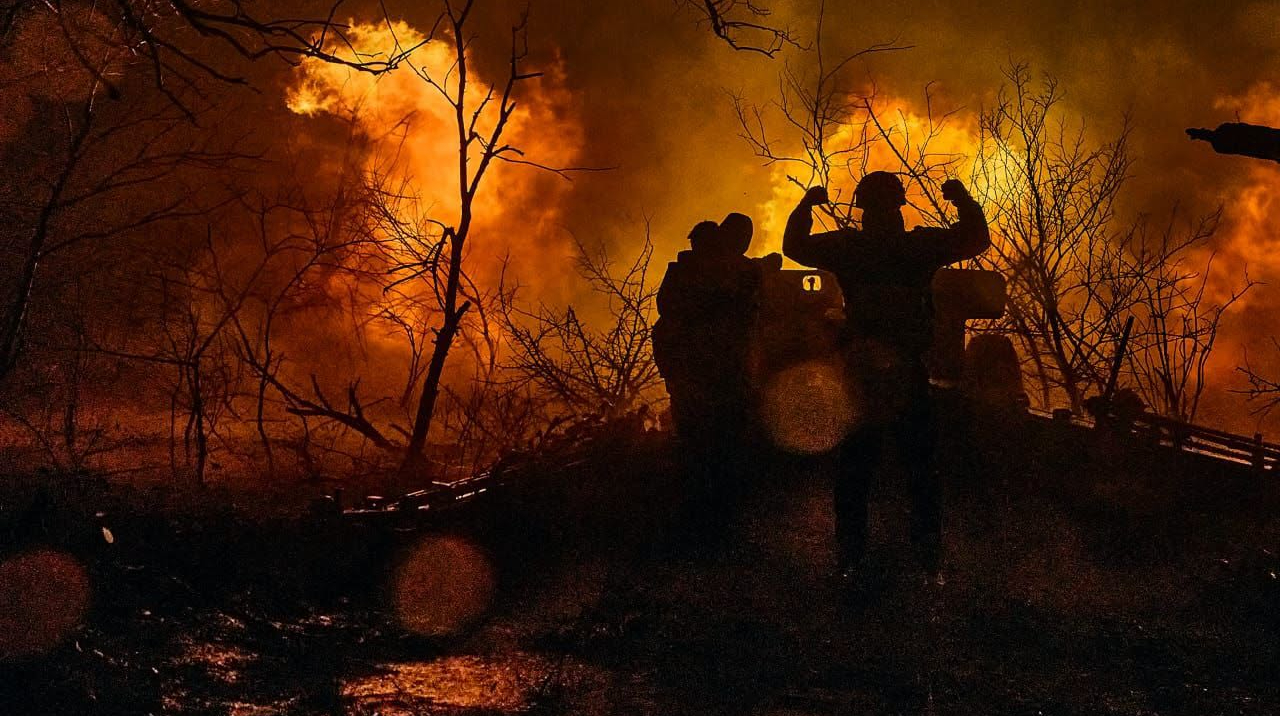
Russia launched a massive overnight barrage of ballistic missiles and 167 drones on the night of 4–5 September, striking 23 locations across Ukraine, the Ukrainian Air Force reported. The attack came as the Ukrainian General Staff publicly explained why a previously announced ceasefire on the line of contact never materialised, and as a combat colonel took command of the country’s Close Air Defence forces.
Overnight assault: 23 targets hit
According to Ukrainska Pravda, the Russian military used both ballistic missiles and a large wave of Shahed-type drones resembling the Iranian-designed Geran-2. Air defence units destroyed most of the drones, but debris and missiles that got through caused damage at 23 sites. The Air Force did not immediately specify the type of ballistic missiles used or the exact civilian or military infrastructure hit, but the scale of the attack—167 drones is among the highest single-night totals of the war—underscores Russia’s continued reliance on massed, low-cost aerial strikes.
Why the ceasefire never took hold
Separately, the Ukrainian General Staff issued a statement on 5 September explaining why a ceasefire on the line of contact that had been announced earlier did not take effect. The official explanation noted that Russian forces did not observe the agreed cessation of hostilities and continued to conduct offensive actions, including mortar and artillery fire, along the entire front. Ukrainian commanders therefore decided not to implement the ceasefire unilaterally, as doing so would have exposed their troops to unacceptable risk. The statement did not name the proposed truce’s initiator, but it echoed a pattern seen repeatedly in 2024–2026: Moscow announces a “humanitarian pause” or “ceasefire” while its forces keep attacking, forcing Kyiv to remain on a war footing.
August drone campaign: 2,800 jet-powered drones
Over the past month, Russia intensified its drone campaign, launching approximately 2,800 jet-powered drones against Ukraine in August alone, according to Ukrainian military data. That figure is roughly double the average monthly rate of 2025. The drones are largely Shahed-type models, which are cheap to produce and difficult to intercept in large numbers. The increase reflects Russia’s strategy of saturating Ukrainian air defences to create holes for missile strikes, and to wear down Western-supplied air defence systems through sheer volume.
New commander for Close Air Defence
In the same report, the Ukrainian military announced that a combat colonel, whose name has not been disclosed for operational security reasons, has been appointed to lead the country’s Close Air Defence (CAD) forces. CAD covers short-range systems such as the Stinger, Gepard and other man-portable or vehicle-mounted air defence weapons that protect troops on the front line and critical infrastructure. The appointment signals a desire to tighten coordination between battlefield air defence units and the central command, especially as drone attacks become more frequent and harder to predict.
Why this matters
For Ukraine, the combination of an ever-rising drone threat, a ceasefire that exists only on paper, and a new leadership push for close air defence paints a clear picture: the war of attrition in the sky is intensifying. Russia is betting that mass-produced drones can overwhelm Ukrainian defences, while Ukraine is reorganising its air defence command to cope. The failure of the latest ceasefire attempt also shows that Moscow has no interest in de-escalation at the front—despite any diplomatic signals it may send. For Europe, the lesson is that the war will remain a grinding, high-intensity conflict for the foreseeable future, and that no reduction in Western support for Ukraine’s air defence is likely without a real change in Russian behaviour.
Sources
- Russian forces attack Ukraine with missiles and drones, strikes recorded at 23 locations September 5, 2026
- Ukrainian General Staff explains why "ceasefire" did not take effect on line of contact September 5, 2026
- Russia launched 2,800 jet-powered drones on Ukraine in August; combat colonel takes charge of Close Air Defence September 5, 2026
Part of the dossier
Russian attacks on Ukraine (general) →