Russia pounds Ukraine with ballistic missiles and drones over two nights, killing one in Odesa Oblast
Russia struck Ukraine with ballistic missiles and drones on two consecutive nights, killing one and injuring three in Odesa Oblast. Ukrainian air defences shot down or jammed hundreds of drones, but hits were recorded at 28 locations over the two nights. A separate strike on a supermarket in Pavlohrad killed a teenager.
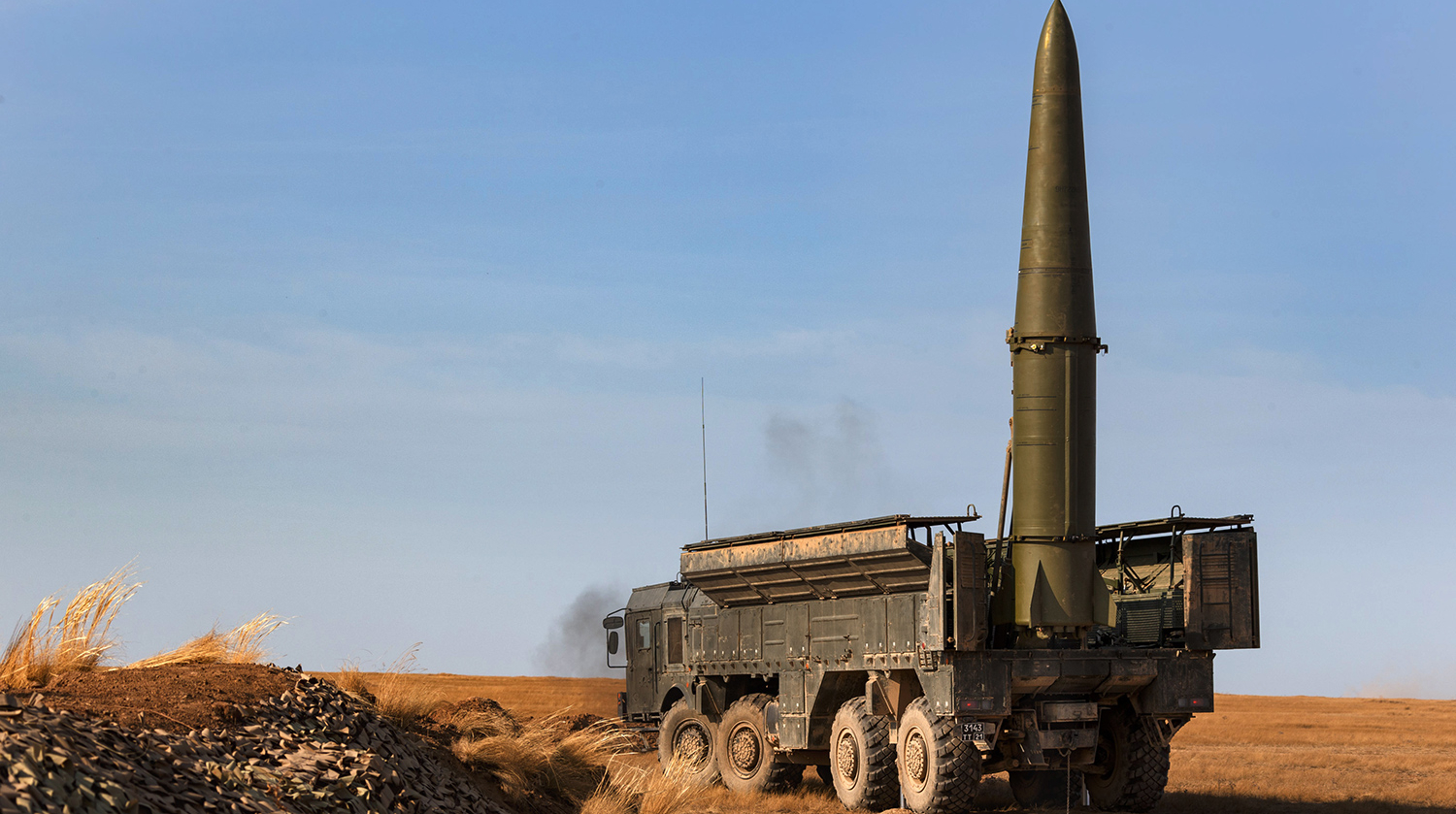
Russia has intensified its aerial assault on Ukraine, launching a total of four Iskander-M ballistic missiles and nearly 400 drones across two consecutive nights, Ukrainian officials reported on 30 August. The attacks hit at least 28 locations, left one civilian dead and three injured in the Izmail district of Odesa Oblast, and damaged transport infrastructure.
On the night of 29–30 August, Russian forces fired two Iskander-M ballistic missiles from Russia’s Kursk Oblast and 130 drones — mostly jet-powered Shahed, Gerbera, S8000 Banderol missile-drones and Parodiya decoys, according to Ukraine’s Air Force. Ukrainian air defences shot down or jammed 125 of the drones. The Air Force recorded hits at 13 locations and falling debris at four others. Some Russian weapons failed to reach their targets entirely; information on those is still being confirmed. The attack was still ongoing at the time of reporting.
The previous night, 28–29 August, saw an even larger barrage: one Oniks anti-ship missile, one Iskander-M ballistic missile, and 267 unmanned aerial vehicles, the Air Force reported. Ukrainian defenders knocked down or jammed 233 drones over the north, south, east and centre of the country. Hits were confirmed at 15 locations, with debris falling at another four.
The strikes on the night of 28–29 August killed one person and wounded three in the Izmail district of Odesa Oblast, the Izmail District State Administration and the State Emergency Service of Ukraine said. “As a result of the enemy attack, transport infrastructure facilities were damaged. There are casualties. Unfortunately, one person was killed,” the district administration stated. Eight lorries carrying food caught fire along with nearby dry grass.
On 28 August, a separate Russian strike hit a household goods supermarket in Pavlohrad, Dnipropetrovsk Oblast, killing a 17‑year‑old boy and injuring seven other people, local authorities reported.
The pattern of attacks underscores Russia’s continued reliance on a mix of expensive ballistic missiles — difficult to intercept — and mass‑launched drones designed to overwhelm Ukrainian air defences. The use of the Oniks anti‑ship missile, normally employed against naval targets, suggests Moscow is adapting its stockpile for ground strikes. Most of the drones used on 30 August were jet‑powered, which typically fly faster and are harder to engage than propeller‑driven models.
Ukrainian air defence crews have consistently claimed high interception rates, but the sheer volume of incoming ordnance means that a fraction of the munitions still reaches its targets — often civilian areas or critical infrastructure. The repetition of attacks on Ukraine’s south, in particular the Izmail district near the Romanian border, points to a deliberate strategy to disrupt logistics and grain export routes through the Danube ports.
At the time of the latest reports, both overnight attacks were still ongoing, and full damage assessments were pending. Rescuers and law enforcement officers remained at the strike sites in Odesa Oblast.
Sources
Part of the dossier
War in Ukraine - Russian Attacks →