Russia Destroys Kherson CHP Plant With Four Guided Bombs; City Faces Extended Blackout as Winter Approaches
Russia destroyed all remaining equipment at Kherson's main heating plant with four guided bombs, leaving the city facing an extended blackout. Six oblasts lost power; Kyiv urged partners to boost support before winter.
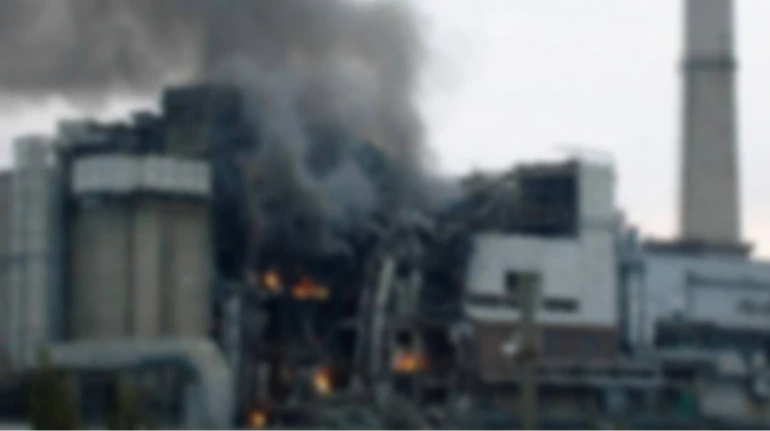
The Kherson Combined Heat and Power plant, the city's main source of heating, is no longer able to generate anything. Russian forces struck the civilian facility with four guided aerial bombs overnight on 26-27 August, destroying all remaining heat- and power-generating equipment, according to Naftogaz, Ukraine's national oil and gas company. Naftogaz via Ukrainska Pravda It was the second major hit in less than 24 hours.
“Unfortunately, this is not the first time. But this time the facility sustained very serious damage,” said Oleksandr Prokudin, head of the Kherson Oblast Military Administration. Prokudin via Ukrainska Pravda Prokudin warned that Kherson may be left without electricity and heating “not for hours or days, but for an extended period,” and urged residents — especially families with children and elderly people — to leave the city if they have somewhere safer to go. Prokudin via Ukrainska Pravda
The plant had already been damaged the previous day by a guided aerial bomb, according to Naftogaz. Naftogaz via Ukrainska Pravda Serhii Fedorenko, Naftogaz's acting CEO, said the latest strike “serves no military purpose whatsoever” and is aimed at terrorising civilians and depriving tens of thousands of Kherson residents of heat ahead of the heating season. Naftogaz via Ukrainska Pravda The company noted that Russian forces have attacked the plant dozens of times in 2026. Naftogaz via Ukrainska Pravda
The damage in Kherson is part of a wider overnight barrage. Ukrenergo, Ukraine's national grid operator, reported new power outages in six oblasts — Donetsk, Dnipropetrovsk, Kharkiv, Poltava, Odesa and Sumy — as of the morning of 27 August. Ukrenergo via Ukrainska Pravda “Emergency repair work is underway wherever the security situation allows,” Ukrenergo said, asking consumers to shift energy-intensive activities to between 10:00 and 15:00 and to conserve electricity between 18:00 and 22:00. Ukrenergo via Ukrainska Pravda
In Poltava Oblast, Russian strikes hit the Kremenchuk and Myrhorod districts, causing a fire at an energy facility in Myrhorod and damaging industrial businesses in Kremenchuk, according to the State Emergency Service. Firefighters put out the fires; no casualties were reported. SES via Ukrainska Pravda
Ukrainian Foreign Minister Andrii Sybiha called the assault “state terrorism” and used it to press Kyiv's partners for more support before winter. Sybiha via Ukrainska Pravda According to Sybiha, Russia attacked ports, grain storage facilities, energy and industrial infrastructure with ballistic and hypersonic missiles and attack drones. Ukrainska Pravda reports that Russia launched 258 strike drones and that Ukrainian air defence downed 233 Russian aerial assets; five drones entered Moldovan airspace. Sybiha via Ukrainska Pravda Sybiha argued that attacks on grain infrastructure and maritime routes harm not only Ukraine but around 400 million people worldwide, and called for “additional routes, quotas, grain storage equipment, and joint efforts to ensure freedom of navigation.” Sybiha via Ukrainska Pravda
The timing matters. With the heating season approaching, Kherson's civilian infrastructure is already under extraordinary pressure. Prokudin said 170 guided aerial bombs have fallen on Kherson Oblast since 1 July — more than in the entire first half of 2026 — and that Russian forces have launched more than 1,700 attack drones over the past two months, increasingly using jet-powered Shaheds and Gerbera drones against critical infrastructure. Prokudin via Ukrainska Pravda
The loss of the Kherson CHP means tens of thousands of residents face a winter without central heating. Prokudin said city authorities, utility services, energy workers and the government are working on alternative supply options, but he was blunt: “We can no longer count on the combined heat and power plant or other critical infrastructure facilities operating normally this winter.” Prokudin via Ukrainska Pravda
This is not a one-off strike. Ukrainian authorities have already classified Russia's constant attacks on energy infrastructure in Kherson Oblast as threatening an emergency situation. Naftogaz via Ukrainska Pravda The repeated targeting of a civilian heating facility with guided bombs, artillery and drones fits a broader pattern of attacks designed to make cities uninhabitable before winter.
For European readers, the immediate question is whether pledges of air defence and energy support will arrive before temperatures drop. Sybiha's appeal was specific: air defence, generation capacity, equipment, resources and energy imports. Sybiha via Ukrainska Pravda The next weeks will show whether those words translate into hardware on the ground.
Sources
- Russia hits Kherson thermal power plant with guided bomb, causing severe damage August 26, 2026
- Russian attacks target energy infrastructure in six Ukrainian oblasts August 27, 2026
- Ukraine's foreign minister urges Kyiv's partners to boost support ahead of winter after massive Russian attack August 27, 2026
- Russians destroy remaining equipment at Kherson Combined Heat and Power Plant August 27, 2026
- Russia attacks Poltava Oblast: energy and industrial facilities damaged August 27, 2026
- Russians destroy Kherson power plant with aerial bombs: authorities urge residents to leave the city August 27, 2026
Part of the dossier
Russian Attacks on Ukrainian Energy Infrastructure →