Russia Destroys Kherson Power Plant and Cripples Ukraine’s Grid: Nuclear Plant in Peril as Winter Looms
Russian bombers destroyed the Kherson CHP plant with guided bombs, leaving the city without heat and power for months. Nationwide strikes hit six oblasts repeatedly, while the occupied Zaporizhzhia nuclear plant runs out of diesel in about 10 days. Ukraine’s Foreign Minister calls for urgent international aid ahead of winter.
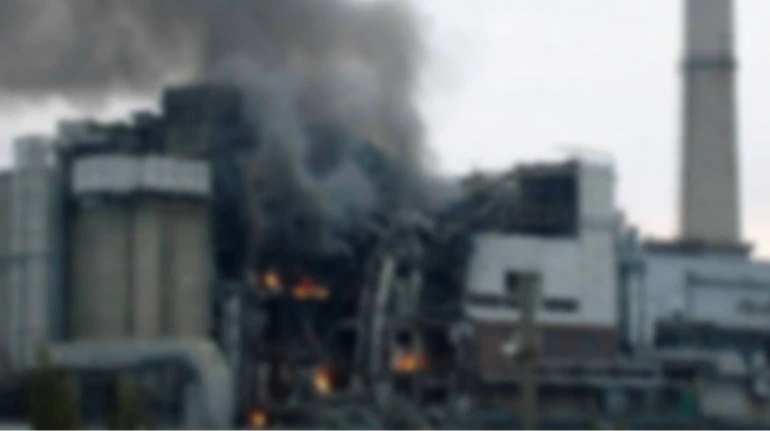
Russia’s campaign to collapse Ukraine’s energy system before winter has entered a new, more destructive phase. Over the past week, Moscow’s forces have destroyed the Kherson Combined Heat and Power (CHP) plant, launched repeated missile and drone strikes that cut power to at least six oblasts, and allowed the occupied Zaporizhzhia nuclear power plant to drift into its 27th blackout – now relying on emergency diesel with barely ten days’ supply. The combined attacks threaten to leave hundreds of thousands of civilians without heat or electricity in the coldest months, and have prompted Kyiv to issue an urgent plea for international air defence and energy equipment.
Kherson: A City Left in the Dark
On the night of 26–27 August, Russian aircraft dropped four guided aerial bombs on the Kherson CHP plant, the city’s main source of heating and electricity. The strike “completely destroyed and disabled all the remaining heat- and power-generating equipment,” Ukraine’s state oil and gas company Naftogaz reported Source: Naftogaz via Ukrainska Pravda. The plant, which had been hit dozens of times since the start of 2026, was already running on backup systems. The last bombs erased any chance of a quick repair.
Oleksandr Prokudin, head of Kherson Oblast Military Administration, told residents the city may be without electricity and heating “not for hours or days, but for an extended period.” He urged families with children and the elderly to evacuate while they still could Source: Prokudin via Ukrainska Pravda. Since 1 July, 170 guided bombs have hit Kherson Oblast alone – more than in the entire first half of 2026, Prokudin said.
Grid Under Repeated Assault
The destruction of Kherson’s plant was part of a wider wave of strikes. On the same night, Russia launched 258 attack drones and ballistic missiles, according to Ukraine’s Air Force, targeting energy and industrial facilities in at least six oblasts. Ukrenergo, the national grid operator, reported emergency outages in Donetsk, Dnipropetrovsk, Kharkiv, Poltava, Odesa and Sumy Source: Ukrenergo via Ukrainska Pravda. The following day, outages spread to Odesa, Mykolaiv, Kharkiv and Kyiv oblasts after another salvo of 164 drones Source: Ukrenergo via Ukrainska Pravda.
On 29 August, a Shahed drone attack left more than 300,000 subscribers in Mykolaiv Oblast without power Source: Ukrainska Pravda. By 31 August, a fresh large-scale strike once again cut electricity in six oblasts, this time including Zaporizhzhia and Mykolaiv alongside the familiar list Source: Ukrenergo via Ukrainska Pravda.
Ukrenergo has repeatedly asked consumers to shift heavy usage to midday and conserve power in the evening, a sign of how thin the margin has become. Three of Ukraine’s nine nuclear power units are already under repair, according to Energy Minister Denys Shmyhal.
Nuclear Safety at Zaporizhzhia
Compounding the crisis, Europe’s largest nuclear plant – the Russian-occupied Zaporizhzhia facility – has been without external power since 22 August. The International Atomic Energy Agency (IAEA) confirmed on 29 August that the plant is running on emergency diesel generators with only a 10-day supply of fuel on site Source: IAEA via Al Jazeera. IAEA Director General Rafael Grossi said the availability of diesel is “of paramount importance” because the six non-operating reactors still need cooling to prevent a meltdown.
This is the 27th complete blackout at the plant since Russia’s full-scale invasion began in February 2022. The IAEA is trying to negotiate a local ceasefire to allow repairs to high-voltage lines, but no agreement has been reached. The plant has not received diesel from its main off-site storage facility in about six months, though a small delivery from another location arrived on 28–29 August.
Diplomacy and the Call for Help
Ukraine’s Foreign Minister Andrii Sybiha reacted to the 27 August strikes by calling on international partners to provide “additional support packages” before winter. In a post on X, he described the attacks as “state terrorism” and argued that destroying ports, grain storage and energy infrastructure hurts not only Ukraine but also “400 million people worldwide” who depend on Ukrainian grain exports Source: Sybiha via Ukrainska Pravda.
“We value every contribution: air defence, generation capacity, equipment, resources and energy imports,” Sybiha wrote. The plea came as Ukrainian air defence units reported shooting down 233 of 258 drones and missiles launched on 26–27 August, but even those high intercept rates cannot protect every substation and transformer.
What It Means for the Coming Months
The systematic destruction of thermal power plants – Kherson is far from the only one hit – and the repeated pummelling of the grid mean Ukraine will enter the 2026–27 heating season with significantly less capacity than it had a year ago. The Kherson plant alone served tens of thousands of homes; its loss will likely force a permanent evacuation of large parts of the city. Nationally, the rolling blackouts are becoming the new norm, and the emergency at Zaporizhzhia adds a nuclear risk that the IAEA has repeatedly warned about.
For Ukraine’s partners, the choice is stark: rush air defence systems, transformers, and repair crews to the country in the next few weeks, or watch Russia continue its campaign of “terror” – a term Kyiv has now explicitly written into its diplomatic talking points.
Sources
- Russia hits Kherson thermal power plant with guided bomb, causing severe damage August 26, 2026
- Russian attacks target energy infrastructure in six Ukrainian oblasts August 27, 2026
- Ukraine's foreign minister urges Kyiv's partners to boost support ahead of winter after massive Russian attack August 27, 2026
- Russians destroy remaining equipment at Kherson Combined Heat and Power Plant August 27, 2026
- Russia attacks Poltava Oblast: energy and industrial facilities damaged August 27, 2026
- Russians destroy Kherson power plant with aerial bombs: authorities urge residents to leave the city August 27, 2026
- Russian strikes leave consumers without electricity in four Ukrainian regions August 28, 2026
- Ukrainian nuclear power plant without external power for over a week August 29, 2026
- Russian forces attack energy infrastructure in six Ukrainian oblasts August 31, 2026
Part of the dossier
Russian Attacks on Ukrainian Energy Infrastructure →