Russia extends aerial blitz to western Ukraine as UN warns of winter catastrophe and G20 diplomacy stalls
Russia struck Ivano-Frankivsk for the first time in its current blitz, using over 450 drones in a single day. The Kremlin ruled out a Putin-Zelenskyy meeting at the G20. The UN warns of a winter humanitarian catastrophe as energy infrastructure is systematically targeted.
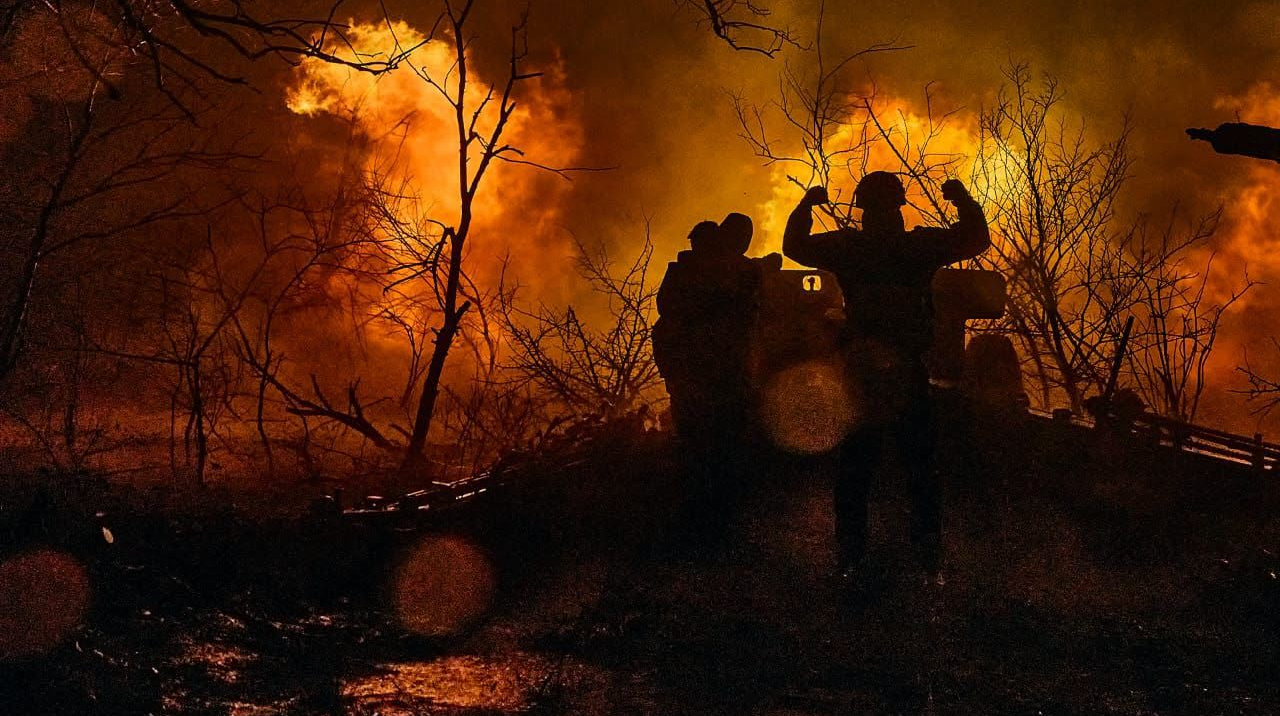
Russian forces are expanding their aerial campaign deeper into western Ukraine, striking Ivano-Frankivsk for the first time in the current blitz, as the Kremlin rules out a Putin-Zelenskyy meeting at the upcoming G20 summit and the United Nations warns of a looming humanitarian disaster this winter.
Strikes on new ground
Overnight on 13 September, Russia launched ballistic missiles and 167 drones against Ukraine, with strikes recorded at 23 locations, according to the Ukrainian Air Force and regional authorities Source: Ukrainska Pravda. Among the targets was Ivano-Frankivsk in western Ukraine, a region that has largely been spared the sort of heavy aerial bombardment seen in the east and south. Mayor Ruslan Martsinkiv said he expects more attacks on the west, warning residents to prepare Source: Ukrainska Pravda.
Earlier the same day, Russia used over 450 drones in a broader attack across the country, according to the Ukrainian General Staff Source: Ukrainska Pravda. This continues a sharp escalation that began in early September and has already seen record numbers of drones deployed.
The week in numbers
The past eight days have seen an intensity of aerial attacks not witnessed since the full-scale invasion began in 2022. According to Ukrainian military data compiled from daily reports:
- 5 September: 167 drones and missiles, 23 locations hit Source: Ukrainska Pravda
- 6 September: 108 drones, 11 locations hit Source: Ukrainska Pravda
- 7 September: 92 drones, air defence downed over 70 Source: Ukrainska Pravda
- 8 September: missiles and 166 drones, 175 targets downed, 29 locations hit Source: Ukrainska Pravda
- 9 September: Iskander missiles, Banderol loitering munitions and 196 drones, 165 downed Source: Ukrainska Pravda
- 10 September: 149 drones, 128 downed Source: Ukrainska Pravda
- 11 September: over 10,000 kamikaze drones deployed in a single day, 235 ground assaults repelled Source: Ukrainska Pravda
- 12 September: over 400 drones Source: Ukrainska Pravda
Russian forces have also struck critical infrastructure. On 8 September, energy infrastructure was hit in five oblasts Source: Ukrainska Pravda. In Dnipro, a warehouse and residential house caught fire, with three people rescued from under rubble Source: Ukrainska Pravda. In Sloviansk, a man was killed and a woman seriously injured in an airstrike Source: Ukrainska Pravda.
As of 12 September, over 450 drone attacks on a single day shattered previous records. The Ukrainian Air Force confirmed that most were intercepted, but the sheer volume is straining air defence systems Source: Ukrainska Pravda.
Diplomacy frozen
On the political front, the Kremlin on 13 September declared that a meeting between President Vladimir Putin and President Volodymyr Zelenskyy at the G20 summit in Miami is “impossible” Source: Ukrainska Pravda. This dashes any remaining hopes for a high-level diplomatic breakthrough before winter sets in.
UN warns of winter catastrophe
The United Nations on the same day expressed “very serious concern” about a humanitarian catastrophe in Ukraine this winter, citing the systematic destruction of energy infrastructure Source: Ukrainska Pravda. The warning echoes earlier reports that Russia has destroyed three WHO warehouses in Ukraine over the past three months, hampering medical aid delivery Source: Ukrainska Pravda.
Front-line toll
Beyond the aerial blitz, Russian ground forces continued offensive operations. On 11 September, Ukrainian forces repelled 235 attacks on the battlefield, while Russia deployed over 10,000 kamikaze drones in a single day — a figure that includes both aerial and loitering munitions Source: Ukrainska Pravda. In Donetsk Oblast, a medical worker was killed when Russian forces set an ambulance on fire in Yasnohirka Source: Ukrainska Pravda.
What it means
The targeting of Ivano-Frankivsk signals that Russia is willing to expand its strike geography, putting more of Ukraine’s limited air defence under pressure. Combined with the Kremlin’s refusal to engage diplomatically and the UN’s stark winter warning, the situation points to a prolonged and brutal period ahead for Ukrainian civilians and infrastructure alike.
Sources
- Germany prepares comprehensive "protective shield" against Russian sabotage September 6, 2026
- Russian forces attack Ukraine with missiles and drones, strikes recorded at 23 locations September 5, 2026
- Ukrainian General Staff explains why "ceasefire" did not take effect on line of contact September 5, 2026
- Russia launched 2,800 jet-powered drones on Ukraine in August; combat colonel takes charge of Close Air Defence September 5, 2026
- Russia destroys three WHO warehouses in Ukraine over three months: organisation "deeply concerned" September 6, 2026
- Russia attacks Ukraine with 108 drones: hits recorded at 11 locations September 6, 2026
- Russian forces attack transport infrastructure in Mykolaiv Oblast, killing driver September 6, 2026
- Russian forces attack infrastructure in Kyiv Oblast September 7, 2026
- Russia attacks Ukraine with 92 drones: air defence downs over 70 UAVs, strikes recorded September 7, 2026
- Russian forces kill another person in Kherson September 7, 2026
- Russian forces attack two districts in Kyiv Oblast, causing fires September 7, 2026
- Russia attacks with various types of missiles and 166 drones: air defence downs 175 targets, strikes recorded at 29 locations September 8, 2026
- Russian forces attack energy infrastructure in five Ukrainian oblasts September 8, 2026
- Russia attacks Ukraine with Iskander missiles, Banderol loitering munitions and 196 drones: 165 UAVs downed September 9, 2026
- Russian forces attack Dnipro: warehouse and house catch fire, three people rescued from under rubble – video September 9, 2026
- Russian forces attack Kyiv and Kyiv Oblast: food processing plant, garage and lorries on fire – photos, video September 9, 2026
- Russian forces attack Kherson and outskirts: two killed, one injured September 9, 2026
- Russia attacks Ukraine with 149 drones, air defence downs 128 September 10, 2026
- Russian forces attack Kryvyi Rih: residential buildings hit, two people in surgery September 9, 2026
- Russia launches Banderol drone missile and over 160 other drones to attack Ukraine September 11, 2026
- Russians deploy over 10,000 kamikaze drones in one day, Ukrainian forces repel 235 attacks on battlefield September 11, 2026
- Russian forces launch airstrike on Sloviansk: man killed, woman seriously injured September 11, 2026
- Timothy Snyder: how US failed after 9/11 and what Ukraine should learn from its mistakes September 11, 2026
- Russian forces burn ambulance in Yasnohirka in Donetsk Oblast, killing medical worker September 11, 2026
- Russia attacks Ukraine with missiles and drones, strikes reported at 20 locations September 12, 2026
- Russia launches repeat strike on business in Dnipro after hitting it overnight September 12, 2026
- Russia launches more than 400 attack drones at Ukraine in one day, most of them downed September 12, 2026
- Kremlin calls Putin-Zelenskyy meeting at G20 summit in Miami "impossible" September 13, 2026
- Russia attacks Ukraine with over 450 drones September 13, 2026
- Risk of humanitarian catastrophe: UN "very worried" about upcoming winter in Ukraine September 13, 2026
- Russia attacks Ivano-Frankivsk, mayor predicts more strikes on Ukraine:'s west September 13, 2026
Part of the dossier
Russian attacks on Ukraine (general) →