Russia’s Jet-Powered Drones Reshape the War Above Kyiv – and the Toll on Civilians Mounts
Russia's use of jet-powered drones has surged from 1,500 in July to 2,800 in August 2026, with interception rates dropping from 90% to 60%. Civilian deaths have spiked: 38 killed in Myla on August 29 and 12 more on September 1. Kyiv is stockpiling food and water for potential winter blackouts, while US envoys prepare to relaunch mediation efforts.
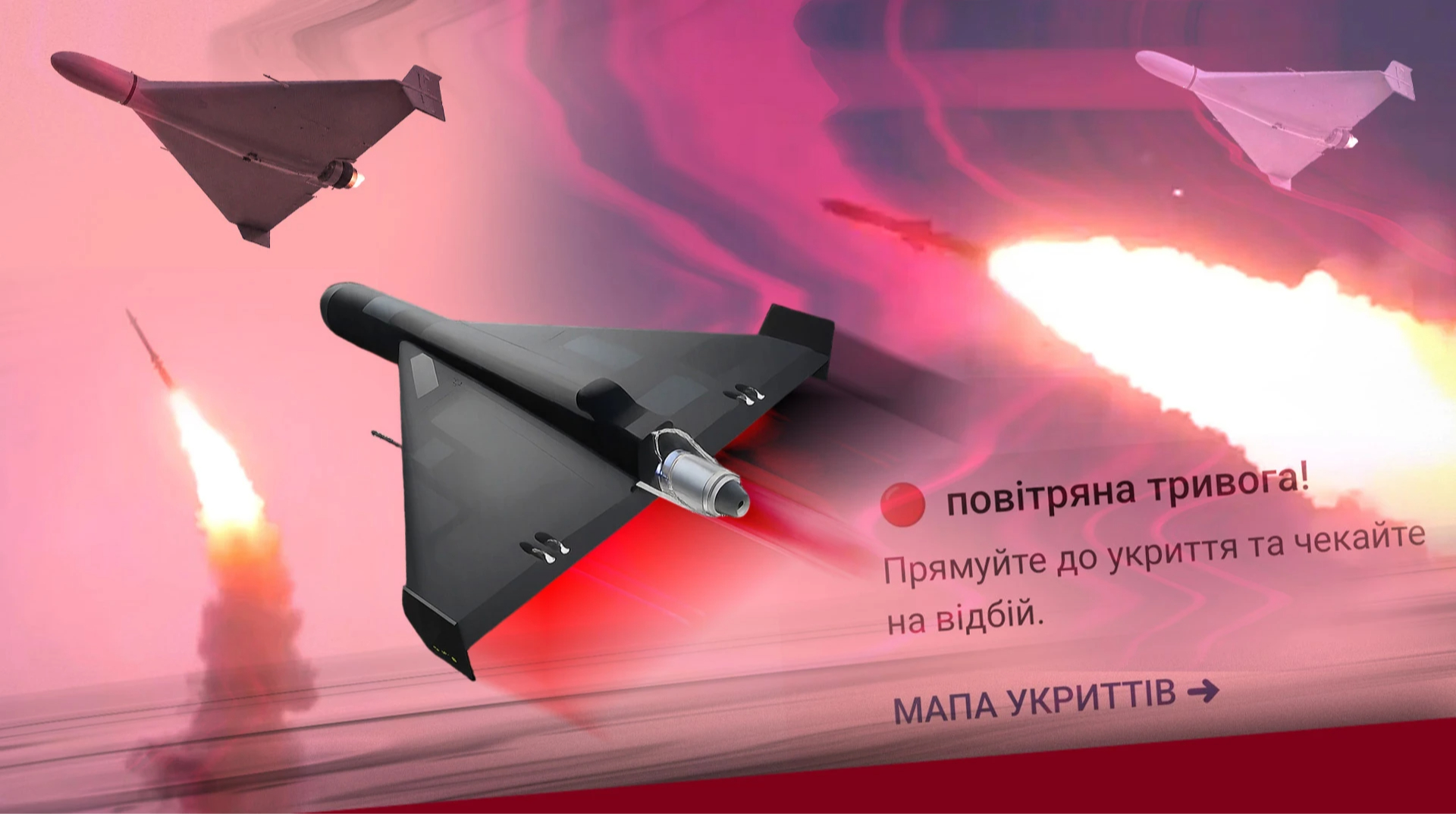
For residents of Kyiv, the rhythm of war has shifted. The air-raid sirens that once signaled a wave of slow, buzzing propeller drones now announce a far more dangerous threat: jet-powered unmanned aircraft that fly at roughly half the speed of a passenger jet and are radically harder to shoot down. The result, as the summer of 2026 draws to a close, is a sharp increase in civilian deaths and a grim new chapter in Russia’s aerial campaign.
Ukraine Air Force spokesman Yurii Ihnat told Al Jazeera that Russia launched about 2,800 jet-powered drones in August, nearly double the 1,500 launched in July and several times June’s total. Ukraine’s interception rate against the older propeller drones is above 90 percent, Ihnat said, but against the jet-powered variant it drops to roughly 60 percent Source: Al Jazeera.
The difference is not just technical. On August 29, a Russian drone strike hit an ammunition depot in the village of Myla, killing 38 people. Four days later, on September 1, drone attacks across Ukraine killed another 12 Source: Al Jazeera. These are confirmed civilian deaths, not battlefield figures. The Al Jazeera report, published September 4, notes that civilian deaths have “sharply increased” this summer.
Life in Kyiv continues under near-constant air-raid warnings. The Ukrainian English-language outlet Ukrainska Pravda described the capital’s mood in early September: a city that has learned to live with sirens but is now facing a more unpredictable threat Source: Ukrainska Pravda. The city’s authorities are already preparing for the winter, stockpiling food and water supplies in case Russian strikes again target the energy grid, as they did in 2022-2023 Source: Ukrainska Pravda.
The shift to jet-powered drones matters strategically for two reasons. First, it allows Russia to sustain a higher tempo of strikes without relying on expensive cruise missiles or risking pilots. Second, the lower interception rate means more drones get through, forcing Ukraine to either accept higher damage or divert scarce air-defense systems from the front line. The latter is especially concerning as Kyiv prepares for a new round of diplomacy.
US envoys are heading to Russia and Ukraine in an attempt to relaunch mediation efforts, according to Al Jazeera’s September 4 report Source: Al Jazeera. The timing is not coincidental: the intensification of drone warfare is raising pressure on both sides, but particularly on Ukraine, where public endurance is being tested once more.
Russia’s own losses remain heavy. Ukraine’s armed forces reported 42,020 Russian casualties in August, only slightly below July’s 42,860 and well above June’s 39,290. Al Jazeera notes that these figures cannot be independently verified, but if accurate, they indicate that the high Russian casualty rate is “not a passing event” Source: Al Jazeera. Russian recruitment rates are estimated by Ukraine at about 32,500 per month, meaning the Kremlin continues to burn through manpower far faster than it can replace it.
For Kyiv, the immediate priority is survival through the autumn. The city is preparing for the possibility that winter blackouts will be worse than those of previous years, because the drone threat makes repairs harder. A resident quoted by Ukrainska Pravda said: “We know the drill. But the new drones – you don’t hear them until it’s too late.” Source: Ukrainska Pravda.
The diplomacy may offer a pause, but the pattern is clear: Russia is adapting its tactics faster than Ukraine can adapt its defenses. The jet-powered drone is not a game-changer on its own, but it is a force-multiplier that is widening the gap between what Ukraine can intercept and what it can afford to lose.
Sources
- Life in Kyiv amid constant air-raid warnings as Russia shifts to jet-powered drones September 2, 2026
- Russia’s jet-powered drones overwhelm Ukraine, killing dozens September 4, 2026
- Kyiv prepares food and water supplies in case of winter blackouts September 7, 2026
Part of the dossier
Russia-Ukraine War: Kyiv Under Drone Attacks →