Russia kills civilian in Kherson, strikes WHO depots: Ukraine downs 70 drones on third day of aerial assault
Russia killed a civilian in Kherson and struck WHO warehouses over three months. Ukraine's air defence downed 70 of 92 drones on Sept 7. Kyiv explains why a ceasefire never took hold.
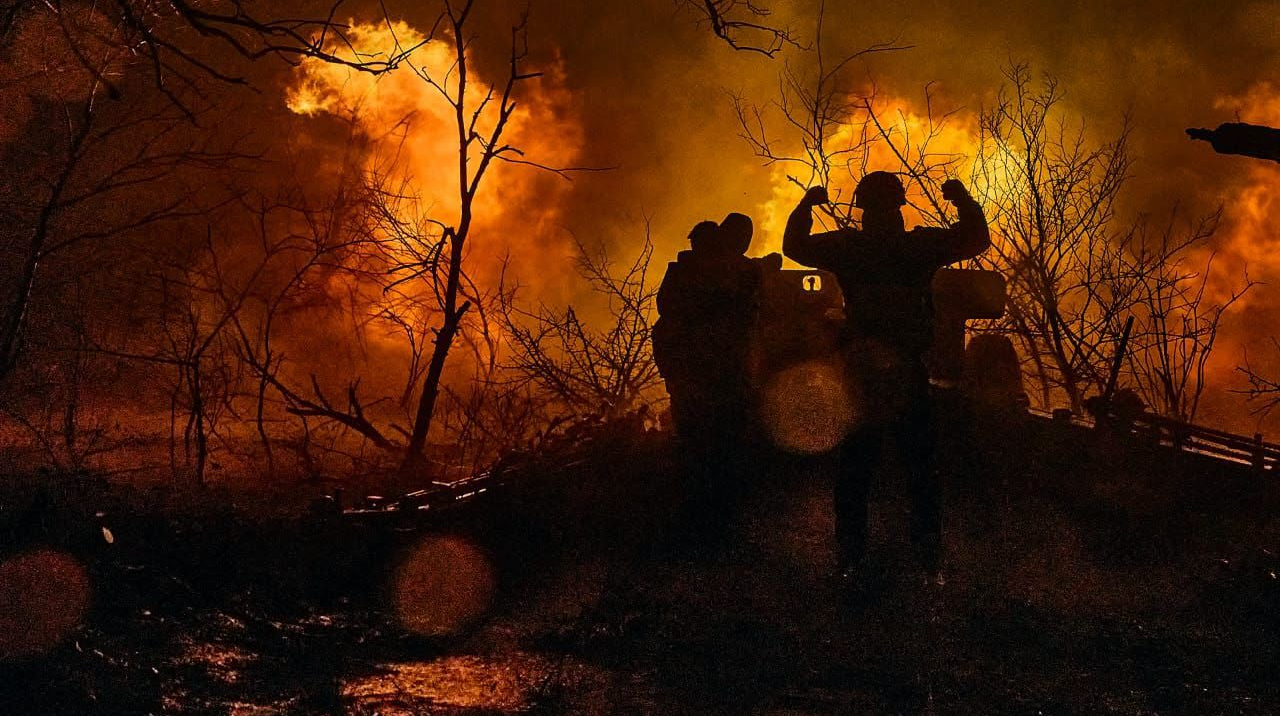
Russia launched another large-scale drone attack on Ukraine overnight on 7 September, firing 92 Shahed-type UAVs and other loitering munitions, the Ukrainian Air Force reported. Air defence units destroyed more than 70 of the drones, but strikes were recorded at multiple locations. In Kherson, Russian shelling killed a civilian, the regional administration confirmed Source: Ukrainska Pravda, Sept 7.
The new wave of attacks caps three consecutive days of intense aerial bombardment. On 5 September, Russia used ballistic missiles and 167 drones, hitting 23 sites across the country Source: Ukrainska Pravda, Sept 5. The following night, 108 drones were launched, with impacts reported at 11 locations, including a strike on transport infrastructure in Mykolaiv Oblast that killed a truck driver Source: Ukrainska Pravda, Sept 6.
Beyond the immediate battlefield, the World Health Organization (WHO) disclosed on 6 September that Russian forces had destroyed three of its warehouses in Ukraine over the past three months. The organisation said it was “deeply concerned” by the deliberate targeting of medical supplies and logistical hubs Source: Ukrainska Pravda, Sept 6. The strikes hit depots that held trauma kits, medicines and cold-chain equipment for vaccines — raising the risk of supply shortages in frontline areas already under strain.
Meanwhile, the Ukrainian General Staff clarified why a proposed ceasefire along the line of contact did not take effect on 5 September. A military spokesman said that Russia “never confirmed the ceasefire, and continued shelling our positions within minutes of the supposed start time.” Source: Ukrainska Pravda, Sept 5 Moscow had not publicly agreed to the truce, which was floated by intermediaries as a humanitarian gesture. The explanation underlines the deep mistrust that makes any negotiated pause nearly impossible.
The sheer volume of drone attacks continues to grow. In August alone, Russia launched 2,800 jet-powered drones at Ukrainian targets — an average of more than 90 per day Source: Ukrainska Pravda, Sept 5. In response, the Ukrainian Air Force appointed a combat colonel with experience in mobile fire groups to command the Close Air Defence branch, signalling a shift toward more agile protection of critical infrastructure.
Germany is also bracing for the spillover of Russian sabotage. On 6 September, Berlin announced it is preparing a comprehensive “protective shield” against hybrid attacks, including covert drone incursions, cyber operations and attempts to disrupt energy and transport nodes Source: Ukrainska Pravda, Sept 6. The move reflects growing concern that Russia may extend its asymmetric warfare beyond Ukraine’s borders.
For European readers watching the war, the pattern is stark: Russia is methodically destroying Ukraine’s medical infrastructure, testing its air defence with waves of cheap drones, and refusing any ceasefire that would halt its advance. The three-day assault that ended on 7 September, while tactically indecisive, is a reminder that the grinding aerial campaign shows no sign of abating. The confirmed civilian deaths in Kherson and Mykolaiv are not exceptions — they are the daily cost of a war that Moscow shows no intention of de-escalating.
Sources
- Germany prepares comprehensive "protective shield" against Russian sabotage September 6, 2026
- Russian forces attack Ukraine with missiles and drones, strikes recorded at 23 locations September 5, 2026
- Ukrainian General Staff explains why "ceasefire" did not take effect on line of contact September 5, 2026
- Russia launched 2,800 jet-powered drones on Ukraine in August; combat colonel takes charge of Close Air Defence September 5, 2026
- Russia destroys three WHO warehouses in Ukraine over three months: organisation "deeply concerned" September 6, 2026
- Russia attacks Ukraine with 108 drones: hits recorded at 11 locations September 6, 2026
- Russian forces attack transport infrastructure in Mykolaiv Oblast, killing driver September 6, 2026
- Russia attacks Ukraine with 92 drones: air defence downs over 70 UAVs, strikes recorded September 7, 2026
- Russian forces kill another person in Kherson September 7, 2026
Part of the dossier
Russian attacks on Ukraine (general) →