Russia launches 149 drones at Ukraine overnight, hits Kryvyi Rih residential area as week-long aerial assault intensifies
Russia attacked Ukraine with 149 drones overnight on 10 September; 128 were shot down. Residential areas in Kryvyi Rih were hit, with two civilians undergoing surgery. The assault caps a week of heavy strikes on energy infrastructure and civilian areas, with over 1,000 drones and missiles launched since 6 September.
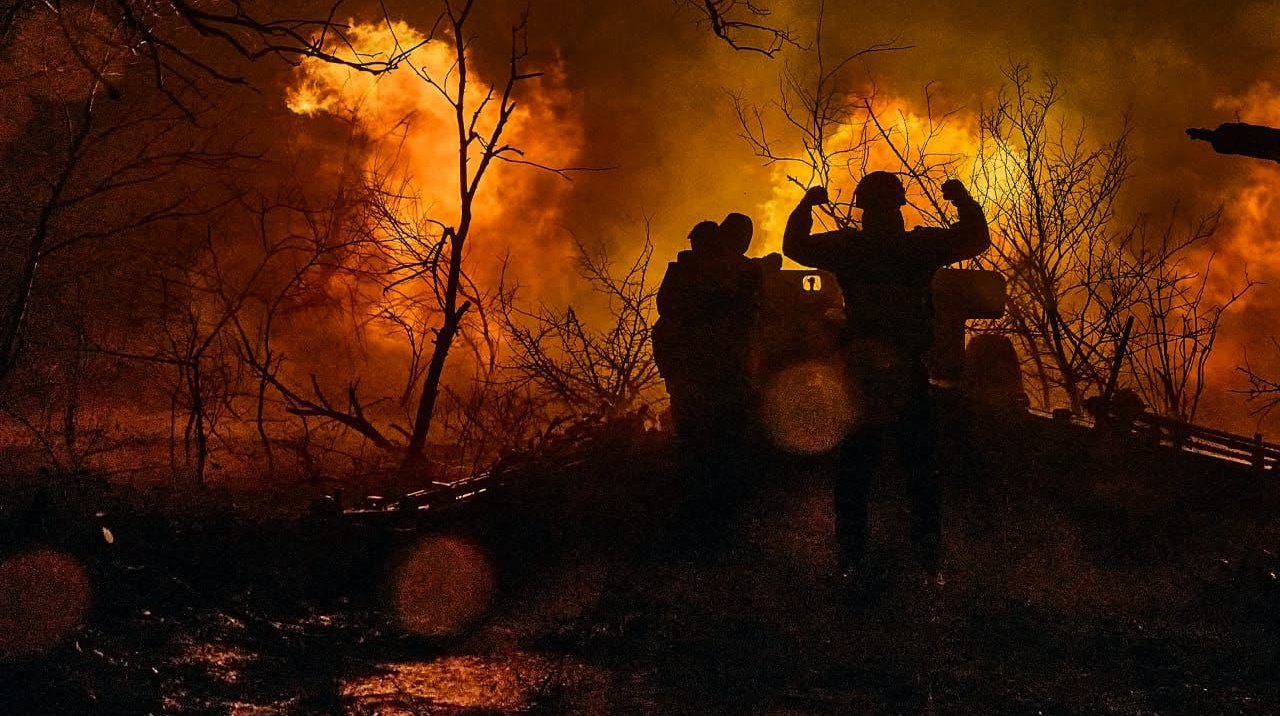
Russian forces launched 149 drones against Ukraine overnight on 10 September, with Ukrainian air defence shooting down 128 of them, according to the Ukrainian Air Force. The attack was the latest in a series of sustained aerial barrages that have struck civilian infrastructure and killed at least three people in the past week.
In Kryvyi Rih, Dnipropetrovsk Oblast, residential buildings were hit by falling debris from downed drones, according to regional authorities. Two civilians were taken to hospital for surgery, the head of the Dnipropetrovsk Oblast Military Administration, Serhiy Lysak, reported on Telegram. The strike was part of the same wave that saw drones targeting 23 locations across Ukraine, the Ukrainian General Staff said.
The overnight assault on 10 September followed a pattern that has become grindingly familiar: Russia deploying dozens of drones in waves, often accompanied by ballistic missiles, to test Ukrainian air defence and stretch its resources. On 9 September, Russian forces used Iskander missiles, Banderol loitering munitions, and 196 drones, of which 165 were downed, according to the Air Force. That night, strikes hit Kherson city and its outskirts, killing two people and injuring one, as reported by the Kherson Oblast Military Administration. In Dnipro, a warehouse and a house caught fire after a drone strike, and three people were rescued from under the rubble, the State Emergency Service said. Kyiv Oblast also came under attack: a food processing plant, a garage, and lorries were set ablaze, with photos and video released by emergency services.
Energy infrastructure battered
The targeting of the energy grid has been a consistent feature of this week's campaign. On 8 September, Russian forces struck energy infrastructure in five oblasts — Kyiv, Chernihiv, Sumy, Poltava, and Dnipropetrovsk — according to Ukrenergo, the national grid operator. That same night, the military reported a mixed barrage of various missiles and 166 drones, with air defence claiming 175 targets (including both missiles and drones) and strikes recorded at 29 locations. The repeated hits on the power system are part of Moscow's strategy to degrade Ukraine's ability to sustain its war effort and civilian life as winter approaches.
A week of heavy pressure
The aerial onslaught began in earnest on 6 September, when Russia launched 108 drones, striking at 11 locations. That attack killed a driver in Mykolaiv Oblast after a strike on transport infrastructure, the regional governor reported. The following day, 7 September, Russia sent 92 drones; Ukrainian air defence shot down over 70. Strikes hit infrastructure in Kyiv Oblast, causing fires, and another civilian was killed in Kherson, the regional prosecutor's office said.
Over the past three months, the World Health Organization (WHO) has reported that three of its warehouses in Ukraine were destroyed by Russian strikes. The organisation said it was "deeply concerned" about the impact on humanitarian aid delivery, in a statement published on 6 September. The pattern of attacks on non-military targets has drawn condemnation from Kyiv and its allies, but has not stopped the pace of attacks.
German response
In a parallel development, Germany has been preparing a comprehensive "protective shield" against potential Russian sabotage, as reported by Ukrainska Pravda on 6 September. The Bundeswehr and intelligence services are drawing up plans to protect critical infrastructure, including energy and communications networks, from hybrid attacks that Berlin sees as a growing threat. While the shield is focused on German territory, the move underscores the widening concern in Europe about Russia's willingness to use unconventional means to pressure Ukraine's supporters.
Tactical context
Ukrainian General Staff analysts have noted that Russia is increasingly using jet-powered drones — the Shahed-type and its derivatives — in larger numbers. In August alone, Russia launched 2,800 such drones, according to the Air Force. The appointment of a combat colonel to take charge of the Close Air Defence branch signals Ukraine's effort to improve interception rates at the tactical level. However, the sheer volume of launches means that some drones will always get through.
The current surge appears designed to overwhelm Ukrainian air defence before the onset of winter, when energy infrastructure becomes more vulnerable. By mixing ballistic missiles with drones, Russia forces Ukraine to expend expensive interceptors on cheap targets. The result, as seen in Kryvyi Rih and Kherson, is that residential areas remain at risk even when defences perform well.
As of 10 September, no major ceasefire or truce has taken hold along the line of contact. The Ukrainian General Staff explained earlier this month that Russian forces never observed the supposed "quiet period" that Moscow had proposed, continuing artillery and drone attacks throughout. The week-long barrage shows no signs of abating.
Sources
- Germany prepares comprehensive "protective shield" against Russian sabotage September 6, 2026
- Russian forces attack Ukraine with missiles and drones, strikes recorded at 23 locations September 5, 2026
- Ukrainian General Staff explains why "ceasefire" did not take effect on line of contact September 5, 2026
- Russia launched 2,800 jet-powered drones on Ukraine in August; combat colonel takes charge of Close Air Defence September 5, 2026
- Russia destroys three WHO warehouses in Ukraine over three months: organisation "deeply concerned" September 6, 2026
- Russia attacks Ukraine with 108 drones: hits recorded at 11 locations September 6, 2026
- Russian forces attack transport infrastructure in Mykolaiv Oblast, killing driver September 6, 2026
- Russian forces attack infrastructure in Kyiv Oblast September 7, 2026
- Russia attacks Ukraine with 92 drones: air defence downs over 70 UAVs, strikes recorded September 7, 2026
- Russian forces kill another person in Kherson September 7, 2026
- Russian forces attack two districts in Kyiv Oblast, causing fires September 7, 2026
- Russia attacks with various types of missiles and 166 drones: air defence downs 175 targets, strikes recorded at 29 locations September 8, 2026
- Russian forces attack energy infrastructure in five Ukrainian oblasts September 8, 2026
- Russia attacks Ukraine with Iskander missiles, Banderol loitering munitions and 196 drones: 165 UAVs downed September 9, 2026
- Russian forces attack Dnipro: warehouse and house catch fire, three people rescued from under rubble – video September 9, 2026
- Russian forces attack Kyiv and Kyiv Oblast: food processing plant, garage and lorries on fire – photos, video September 9, 2026
- Russian forces attack Kherson and outskirts: two killed, one injured September 9, 2026
- Russia attacks Ukraine with 149 drones, air defence downs 128 September 10, 2026
- Russian forces attack Kryvyi Rih: residential buildings hit, two people in surgery September 9, 2026
Part of the dossier
Russian attacks on Ukraine (general) →