Russia launches ballistic missiles and 167 drones overnight as week-long aerial blitz escalates further
Russian forces launched ballistic missiles and 167 drones overnight, striking 23 locations across Ukraine as part of an intensified week-long blitz. At least three civilians were killed in the past 24 hours, including a medical worker whose ambulance was set on fire. Moscow deployed over 10,000 kamikaze drones in a single day on 11 September.
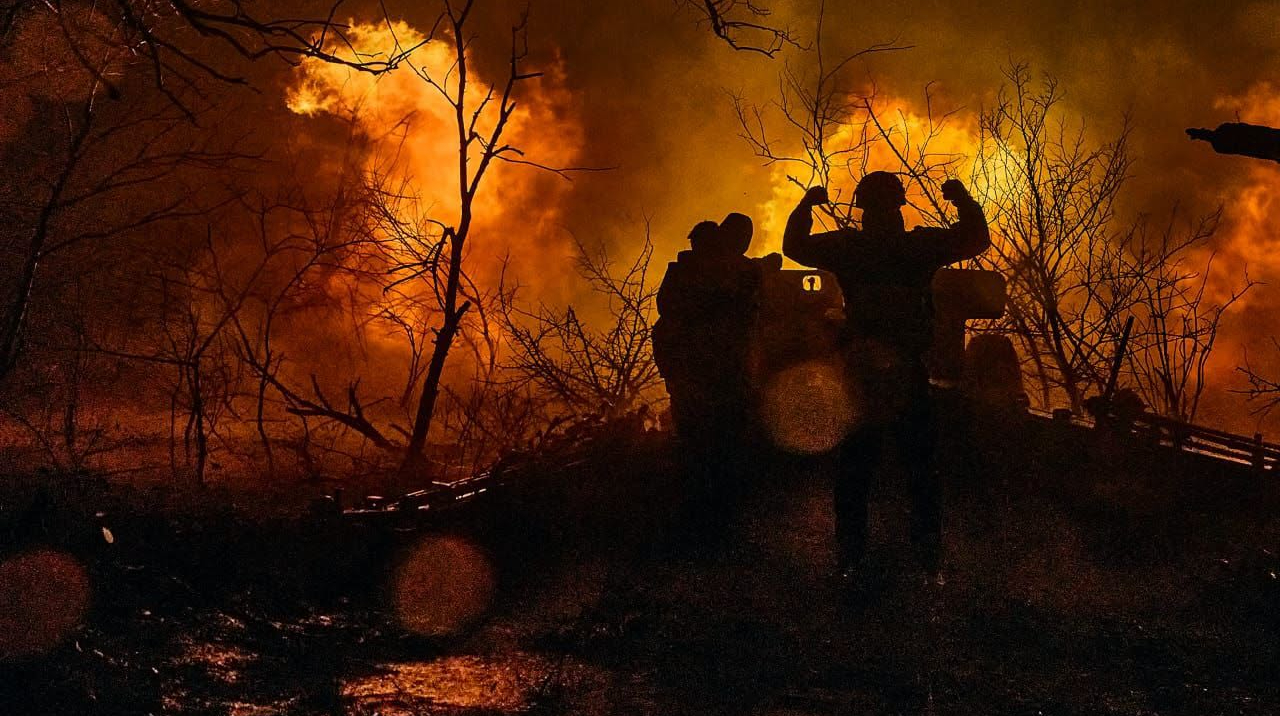
Russian forces launched ballistic missiles and 167 attack drones against Ukraine overnight, with strikes recorded at 23 locations across the country, the Ukrainian Air Force reported on 12 September. The overnight assault marks the eighth consecutive night of large-scale aerial attacks and shows no sign of easing, as Moscow continues to pound Ukrainian cities and infrastructure with an intensity not seen since the start of the full-scale war.
Ukraine’s air defence units managed to shoot down the majority of the incoming drones, but several struck residential areas and industrial sites. The full extent of damage and casualties is still being assessed, but the attacks come on the heels of a devastating 24-hour period that saw Russian forces kill at least three civilians and burn an ambulance in Donetsk Oblast, killing a medical worker.
A week of record drone barrages
The latest attack follows a pattern of escalating drone and missile use. On 11 September, the Ukrainian General Staff reported that Russia deployed over 10,000 kamikaze drones in a single day – the highest single-day total since the war began – while Ukrainian forces repelled 235 separate ground assaults along the front line, according to Ukrainska Pravda. That same day, Russian forces launched a Banderol loitering munition and more than 160 other drones, the air force said.
The aerial pressure has been relentless since the start of September. On 10 September, Russia attacked with 149 drones, of which 128 were intercepted, according to Ukrainian officials. The previous night saw Iskander missiles, Banderol munitions and 196 drones, with 165 UAVs downed – a combined barrage that hit Kyiv and Kyiv Oblast, Dnipro, Kherson and other regions, according to Ukrainska Pravda.
Civilian toll mounts
The human cost of the past week is stark. On 11 September, Russian forces launched an airstrike on Sloviansk in Donetsk Oblast, killing a man and seriously injuring a woman, local authorities reported. In a separate incident in the same region, Russian soldiers burned an ambulance in the village of Yasnohirka, killing a medical worker. The attack, described by Ukrainian officials as a deliberate strike on medical personnel, is being investigated as a potential war crime, according to Ukrainska Pravda.
On 10 September, Russian forces hit residential buildings in Kryvyi Rih, leaving two people in surgery, regional authorities said. A day earlier, Russian attacks on Kherson and its outskirts killed two people and injured one, according to the Kherson Regional Military Administration. In Dnipro, drone strikes set a warehouse and a house on fire, and three people had to be rescued from under rubble, local officials reported. On the night of 8–9 September, Russian missiles and drones caused fires at a food processing plant, garage and lorries in Kyiv Oblast, according to Ukrainska Pravda.
Energy and infrastructure under pressure
Beyond civilian casualties, Moscow is systematically targeting Ukraine’s energy grid. On 8 September, Russian forces struck energy infrastructure in five oblasts, according to Ukrainian energy officials. The cumulative damage is raising concerns about Ukraine’s ability to keep heating and electricity running as winter approaches.
The World Health Organization has also voiced alarm. Over the past three months, Russian strikes destroyed three WHO warehouses in Ukraine, the organisation said in early September, disrupting the delivery of vital medical supplies to front-line areas.
Aerial campaign in context
The scale of the Russian aerial campaign in early September is striking. In August alone, Russia launched 2,800 jet-powered drones on Ukraine, a figure cited by Ukrainian officials as evidence of Moscow’s industrial capacity to sustain high-intensity strikes, Ukrainska Pravda reported. The Ukrainian General Staff has also explained why a putative “ceasefire” proposed by some international mediators never took effect on the line of contact, stating that Russian forces used the lull to regroup and resupply.
Allies respond
In response to the escalating threat, Germany has prepared a comprehensive “protective shield” against Russian sabotage, according to reports on 6 September. The German government is particularly concerned about attacks on critical infrastructure, including energy and transport, and is boosting military and civilian countermeasures. The shield is the latest sign that European allies are bracing for a long war of attrition that extends beyond the front line.
For Ukrainians under daily bombardment, the immediate reality is one of sleepless nights, damaged homes and mounting casualties. The overnight attack on 12 September, with its ballistic missiles and 167 drones, is the latest reminder that Russian forces remain determined to break Ukrainian morale from the air, even as their ground troops struggle to make significant gains.
Sources
- Germany prepares comprehensive "protective shield" against Russian sabotage September 6, 2026
- Russian forces attack Ukraine with missiles and drones, strikes recorded at 23 locations September 5, 2026
- Ukrainian General Staff explains why "ceasefire" did not take effect on line of contact September 5, 2026
- Russia launched 2,800 jet-powered drones on Ukraine in August; combat colonel takes charge of Close Air Defence September 5, 2026
- Russia destroys three WHO warehouses in Ukraine over three months: organisation "deeply concerned" September 6, 2026
- Russia attacks Ukraine with 108 drones: hits recorded at 11 locations September 6, 2026
- Russian forces attack transport infrastructure in Mykolaiv Oblast, killing driver September 6, 2026
- Russian forces attack infrastructure in Kyiv Oblast September 7, 2026
- Russia attacks Ukraine with 92 drones: air defence downs over 70 UAVs, strikes recorded September 7, 2026
- Russian forces kill another person in Kherson September 7, 2026
- Russian forces attack two districts in Kyiv Oblast, causing fires September 7, 2026
- Russia attacks with various types of missiles and 166 drones: air defence downs 175 targets, strikes recorded at 29 locations September 8, 2026
- Russian forces attack energy infrastructure in five Ukrainian oblasts September 8, 2026
- Russia attacks Ukraine with Iskander missiles, Banderol loitering munitions and 196 drones: 165 UAVs downed September 9, 2026
- Russian forces attack Dnipro: warehouse and house catch fire, three people rescued from under rubble – video September 9, 2026
- Russian forces attack Kyiv and Kyiv Oblast: food processing plant, garage and lorries on fire – photos, video September 9, 2026
- Russian forces attack Kherson and outskirts: two killed, one injured September 9, 2026
- Russia attacks Ukraine with 149 drones, air defence downs 128 September 10, 2026
- Russian forces attack Kryvyi Rih: residential buildings hit, two people in surgery September 9, 2026
- Russia launches Banderol drone missile and over 160 other drones to attack Ukraine September 11, 2026
- Russians deploy over 10,000 kamikaze drones in one day, Ukrainian forces repel 235 attacks on battlefield September 11, 2026
- Russian forces launch airstrike on Sloviansk: man killed, woman seriously injured September 11, 2026
- Timothy Snyder: how US failed after 9/11 and what Ukraine should learn from its mistakes September 11, 2026
- Russian forces burn ambulance in Yasnohirka in Donetsk Oblast, killing medical worker September 11, 2026
- Russia attacks Ukraine with missiles and drones, strikes reported at 20 locations September 12, 2026
Part of the dossier
Russian attacks on Ukraine (general) →