Russia Levels Kherson Power Plant, Cripples Odesa CHP as Ukraine’s Grid Buckles Before Winter
Russian forces destroyed the Kherson CHP and damaged the Odesa CHP, causing widespread blackouts across eight Ukrainian oblasts. The Zaporizhzhia nuclear plant remains without external power for a week. Kyiv urges Western support ahead of winter.
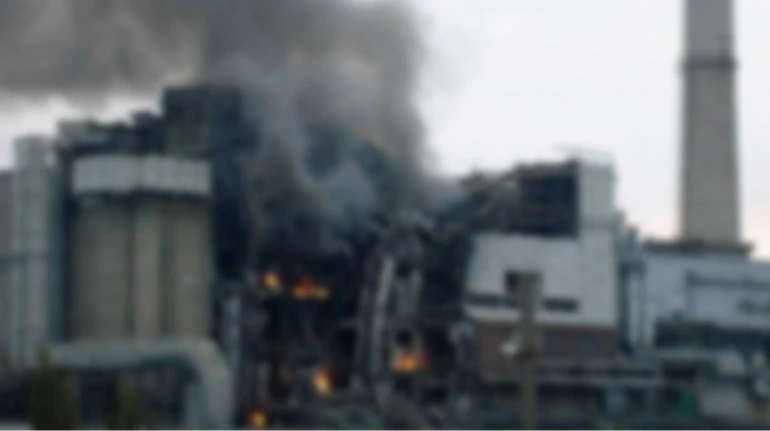
Russian forces have systematically destroyed the Kherson Combined Heat and Power (CHP) plant and severely damaged the Odesa CHP in a coordinated campaign that has left swathes of Ukraine without electricity just weeks before winter. The attacks, documented between 26 August and 1 September 2026, mark the most intense phase of Moscow’s strategy to weaponise cold, according to Ukrainian officials and energy operators.
On the night of 26–27 August, four guided aerial bombs struck the Naftogaz-owned Kherson CHP – the city’s main source of heat – completely destroying all remaining heat- and power-generating equipment, the company reported (Naftogaz via Ukrainska Pravda). “The Russians struck an exclusively civilian facility…with the sole aim of terrorising the civilian population,” said Serhii Fedorenko, acting CEO of Naftogaz. The plant had been hit dozens of times already in 2026, but this strike was final.
Oleksandr Prokudin, head of the Kherson Oblast Military Administration, warned residents that the city may be left without electricity and heating “not for hours or days, but for an extended period” and urged families with children and elderly people to leave (Ukrainska Pravda). Since 1 July, 170 guided bombs have hit Kherson Oblast – more than in the entire first half of the year – along with over 1,700 attack drones, Prokudin said.
Days later, on 1 September, Russian missiles and drones struck the Odesa CHP, also part of the Naftogaz group, damaging main and auxiliary equipment. Debris removal is ongoing, and a full damage assessment is pending (Naftogaz via Ukrainska Pravda).
The attacks caused widespread power outages. Ukrenergo reported outages in Donetsk, Dnipropetrovsk, Kharkiv, Poltava, Odesa, Sumy, Zaporizhzhia and Mykolaiv oblasts between 27 and 31 August (Ukrenergo 27 Aug, 31 Aug). Emergency repairs are underway where security permits, but the system remains fragile. Consumers were asked to conserve electricity between 18:00 and 22:00.
Simultaneously, Europe’s largest nuclear plant, the Russian-occupied Zaporizhzhia Nuclear Power Plant, has been without off-site power for over a week, relying on emergency diesel generators with only a 10-day fuel supply, the International Atomic Energy Agency (IAEA) reported on 29 August (Al Jazeera). IAEA Director General Rafael Grossi is seeking a local ceasefire to repair power lines. This is the 27th blackout since Russia’s full-scale invasion began.
Ukrainian Foreign Minister Andrii Sybiha on 27 August called on partners to boost support ahead of winter, urging deliveries of air defence systems, generation equipment, and increased electricity imports (Sybiha on X via Ukrainska Pravda). “Proving his terror futile will bring the end of this war closer,” he said, referring to Russian President Vladimir Putin.
On 3 September, Naftogaz reported that Russian forces also struck oil and gas extraction facilities (Ukrainska Pravda), broadening the assault beyond power generation.
The combined destruction of the Kherson CHP, damage to Odesa’s plant, and the nuclear power plant’s vulnerability mean Ukraine faces its most severe energy crisis since the first winter of the war. With no quick fix for the Kherson plant, tens of thousands face a winter without heat or light unless alternative power sources are deployed – or the attacks stop.
Sources
- Russia hits Kherson thermal power plant with guided bomb, causing severe damage August 26, 2026
- Russian attacks target energy infrastructure in six Ukrainian oblasts August 27, 2026
- Ukraine's foreign minister urges Kyiv's partners to boost support ahead of winter after massive Russian attack August 27, 2026
- Russians destroy remaining equipment at Kherson Combined Heat and Power Plant August 27, 2026
- Russia attacks Poltava Oblast: energy and industrial facilities damaged August 27, 2026
- Russians destroy Kherson power plant with aerial bombs: authorities urge residents to leave the city August 27, 2026
- Russian strikes leave consumers without electricity in four Ukrainian regions August 28, 2026
- Ukrainian nuclear power plant without external power for over a week August 29, 2026
- Russian forces attack energy infrastructure in six Ukrainian oblasts August 31, 2026
- Russian forces damage equipment at Odesa Combined Heat and Power Plant September 1, 2026
- Bulgarian government approves exemption from sanctions against Russia, allowing purchase of equipment for its nuclear power plant September 3, 2026
- Ukrainian oil and gas extraction facilities attacked by Russia September 3, 2026
Part of the dossier
Russian Attacks on Ukrainian Energy Infrastructure →