Russia Signals Low Expectations for Trump Envoys as Kyiv Visit Faces Intimidation Risk
Russia has extremely low expectations for the upcoming visit of US envoys Witkoff and Kushner, while the Kyiv leg of the trip is at risk due to Russian intimidation. The diplomatic push follows CIA Director Ratcliffe's secret Moscow visit, a G20 meeting between US and Russian finance ministers, and a stalled trilateral summit proposal.
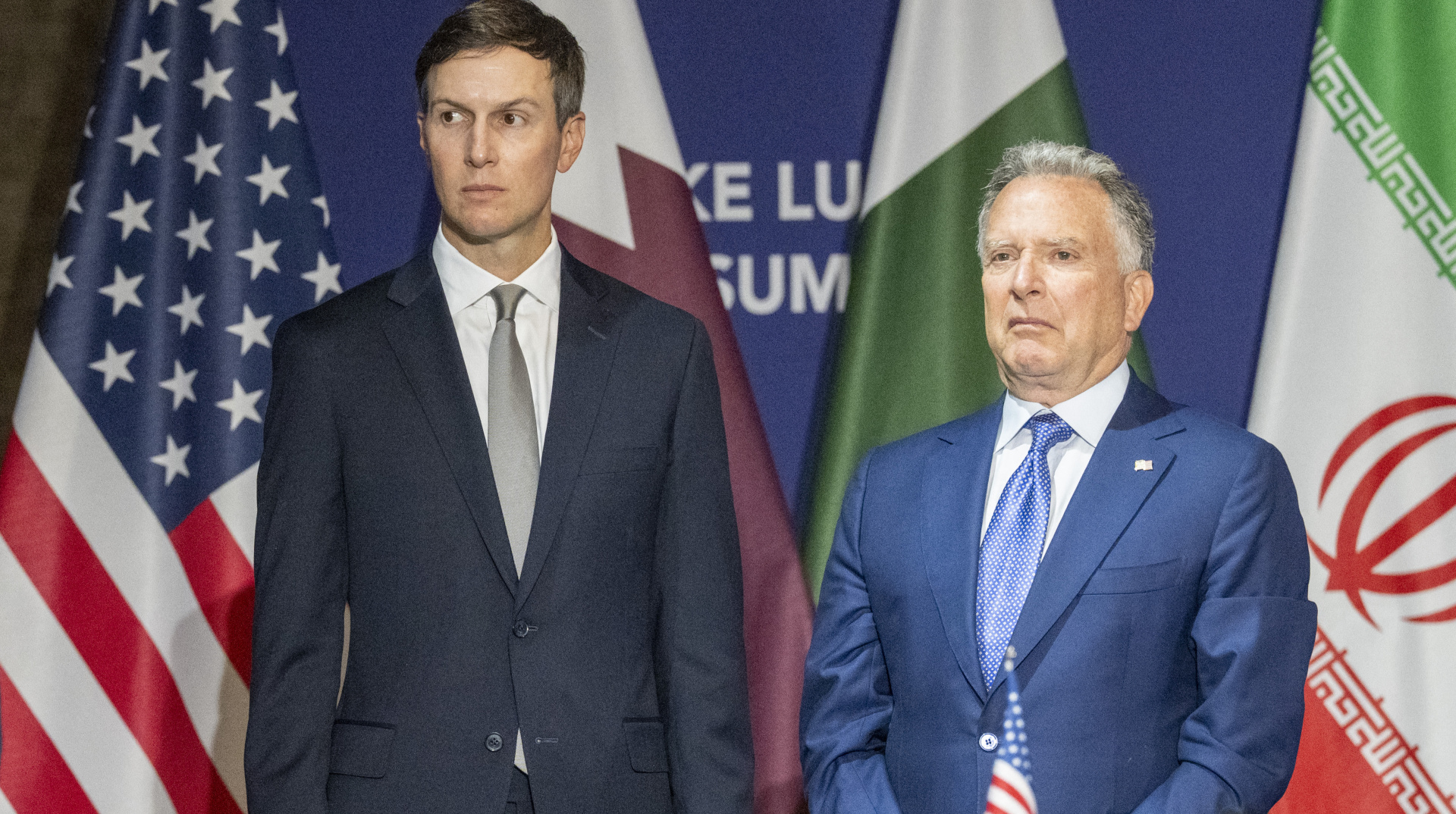
As US President Donald Trump’s special envoys prepare to travel to Moscow and Kyiv this weekend, Russia has signalled it expects little from the diplomatic push, while the Ukrainian leg of the trip is already under threat from Russian intimidation tactics, according to multiple reports.
Bloomberg reported on 5 September that Russian officials hold “extremely low expectations” for the visit by US envoys Steve Witkoff and Jared Kushner, who are scheduled to meet with Russian counterparts before heading to Ukraine. The Kremlin’s dismissive posture follows a series of high‑level US contacts with Moscow over the past two weeks, including CIA Director John Ratcliffe’s secret trip to Moscow on 25 August and a rare face‑to‑face meeting between US Treasury Secretary Scott Bessent and Russian Finance Minister Anton Siluanov on the sidelines of the G20 summit on 31 August.
Envoys’ itinerary and Kyiv risk
Axios first reported on 4 September that Witkoff and Kushner would visit Moscow and Kyiv this weekend, with the Russian capital first on the itinerary. The sequencing itself drew criticism from Ukrainian officials and European allies, who see it as a tacit prioritisation of Russian interests. According to Ukrainska Pravda, the Kyiv portion of the trip is now at risk due to Russian intimidation – a term that may refer to recent Russian threats of strikes against decision‑making centres in Ukraine or the Kremlin’s refusal to guarantee safety for US officials.
The White House has not confirmed the exact schedule, but Trump acknowledged the envoys’ mission on 31 August, saying they are “preparing to visit Russia and Ukraine.”
Ratcliffe’s Moscow gambit
The envoys’ trip builds on Ratcliffe’s unannounced visit to Moscow on 25 August, where he met with Sergei Naryshkin, head of Russia’s Foreign Intelligence Service, and Alexander Bortnikov, director of the Federal Security Service (FSB). According to Axios, Ratcliffe proposed a trilateral summit involving Trump, Ukrainian President Volodymyr Zelenskyy, and Russian ruler Vladimir Putin aimed at ending the war. The idea had been floated earlier by the Trump administration; Zelenskyy supported it, but Putin rejected it.
The CIA chief also delivered a “pessimistic assessment” of the war for Russia, according to The New York Times, urging the Kremlin to begin genuine negotiations before Russia’s military and economic position deteriorates further. Ratcliffe made no threats about consequences if Putin continued the war, the NYT reported, but the hope in Washington is that Putin – a former intelligence officer – will take the CIA’s assessment more seriously than standard diplomatic signals.
Separately, Politico reported that Ratcliffe used the visit to urge Russia not to take actions that could escalate tensions with NATO’s Baltic members – Estonia, Latvia, and Lithuania – and to reduce its military and economic support for Iran. Trump later downplayed the warnings, telling Axios on 28 August that “Ratcliffe sees his Russian counterpart once every six months or once every year. There was no message and there was nothing unusual.”
G20 tensions and the sanctions bill
The diplomatic push has not been limited to intelligence channels. On 31 August, Treasury Secretary Besset met Siluanov at the G20 summit in Asheville, North Carolina – the first time a Russian minister personally attended such a gathering since the full‑scale invasion of Ukraine began in 2022. European allies were angered by the US decision to host Siluanov; German Vice‑Chancellor Lars Klingbeil publicly condemned the Russian minister, and several European finance ministers threatened to boycott the traditional group photo unless Siluanov was excluded – a threat that worked, according to The New York Times.
Trump shrugged off the controversy, telling journalists: “We like getting along with everybody. One of the reasons that I’m so successful, I get along with everybody.”
Meanwhile, on Capitol Hill, a bipartisan sanctions bill co‑authored by the late Republican Senator Lindsey Graham and Democrat Richard Blumenthal awaits passage. Blumenthal told reporters in Kyiv on 26 August that he hopes the bill – which includes “scorching” secondary sanctions and penalties on the Russian shadow fleet – will pass in September 2026, provided the White House gives the green light. The bill passed the Senate 86‑0 in August but requires House approval.
What the envoys’ visit means
The Witkoff‑Kushner mission is the most direct test yet of whether the Trump administration’s dual‑track approach – public outreach to Russia combined with private warnings – can produce any movement. Russia’s low expectations and the risk to the Kyiv portion of the trip suggest that Moscow sees little incentive to compromise while its forces continue to make gains on the battlefield and while European unity shows cracks over the G20 invitation.
For Ukraine, the sequence of events – Ratcliffe’s secret talks, the G20 meeting, and now envoys going to Moscow first – has fuelled anxiety that Washington may be leaning toward a deal that freezes the conflict on Russian terms. Zelenskyy’s office was briefed on Ratcliffe’s proposal for a trilateral summit, but Putin’s earlier rejection of the idea makes its revival uncertain.
As the envoys prepare to depart, the question remains: will the Trump administration use its leverage – including the pending sanctions bill and Ratcliffe’s stark battlefield assessment – to push Russia toward negotiations, or will Moscow continue to bet that time is on its side?
Sources
- Trump on CIA chief's Moscow visit: "Something may come out of it" August 26, 2026
- US Senator Blumenthal hopes Graham bill on sanctions against Russia will pass in September August 26, 2026
- CIA chief in Moscow warned Russia against actions that could escalate tensions with Baltic states – Politico August 27, 2026
- CIA chief did not threaten Russia with consequences over continuing war during Moscow visit – NYT August 27, 2026
- Trump says he is not concerned about possible Russian attack on NATO countries August 27, 2026
- CIA chief proposed summit involving Trump, Zelenskyy and Putin – Axios August 30, 2026
- US and Russian finance ministers meet on sidelines of G20 August 31, 2026
- Trump on Russian representative attending G20 meeting: "We like getting along with everybody" August 31, 2026
- Trump's envoys Witkoff and Kushner will visit Moscow and Kyiv this weekend, Axios reports September 4, 2026
- Trump envoys will reportedly visit Moscow before Kyiv September 4, 2026
- Visit to Kyiv by US envoys at risk due to Russian intimidation September 4, 2026
- Russia has extremely low expectations for Trump envoys' visit – Bloomberg September 5, 2026
Part of the dossier
US-Russia Relations and CIA Visit →