Russia vows 'massive strikes' on Ukraine's power grid as warehouse war death toll rises to 38
Russia's defence ministry says it is preparing large-scale strikes on Ukraine's energy infrastructure, days after a drone attack on a warehouse near Kyiv killed 38 people in the deadliest attack of the year. Ukraine continues to hit Russian logistics hubs, while Turkey summons Kyiv's ambassador over Black Sea incidents.
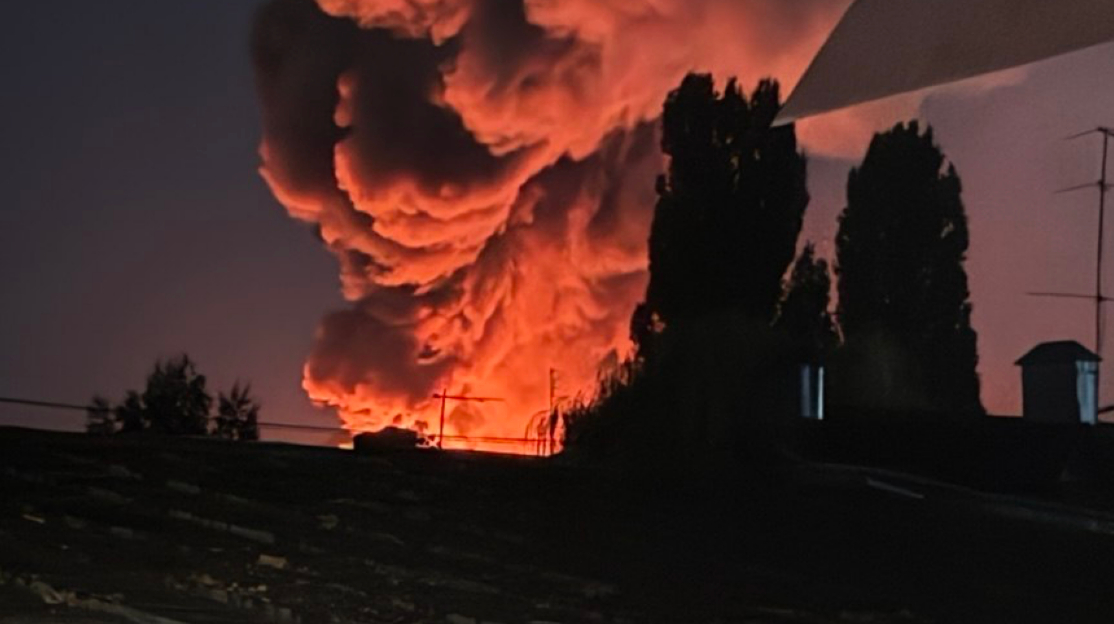
Russia's defence ministry says it is preparing large-scale strikes on Ukraine's energy infrastructure, days after a drone attack on a warehouse near Kyiv killed 38 people in the deadliest single strike of the year. The announcement, made on Telegram on Sunday, frames the coming campaign as retaliation for Ukrainian attacks on Russian oil and logistics facilities.
"Russian forces have begun preparations for massive strikes against facilities in Ukraine's energy sector in response to the ongoing attacks by the Kyiv regime on civilian infrastructure and on Russia's oil and energy complex," the ministry said, as reported by The Guardian.
The warning evokes last winter, when Moscow repeatedly hit Ukrainian power plants, plunging millions into cold and darkness. For European readers, the stakes are clear: another season of energy terror could again test Ukraine's grid and the West's resolve to keep the lights on.
Myla: deadliest attack of the year
The threat comes as the death toll from the 28 August strike on a warehouse in Myla, in Kyiv Oblast's Bucha district, rose to 38, with four people still missing, according to President Volodymyr Zelenskyy. The attack, which Ukrainian officials say hit a facility storing ammunition, triggered massive explosions and fires that damaged at least 50 residential buildings, including a care home, and forced more than 370 people to evacuate, The Guardian reported.
Zelenskyy opened criminal proceedings on charges of official negligence, saying: "There are regulations in place – ammunition cannot be stored near homes or other residential areas." One of the dead was Taras Didych, head of the Dmytrivka community, who was killed while rescuing people. Finnish Foreign Minister Elina Valtonen called the strike a "terrible flashback to March 2022 and the Bucha massacre," writing: "Four years on, Russia has not changed," as Ukrainska Pravda reported.
Ukraine hits back at Russian logistics and airpower
Ukraine has responded in kind, targeting the infrastructure that supports Russia's war effort. On 28 August, Ukrainian forces struck a Tu-95MS strategic bomber at Engels airbase, the very aircraft type Russia uses to launch Kh-101 cruise missiles at Ukrainian cities, Zelenskyy confirmed. The same day, Ukrainian drones hit an oil refinery in Yaroslavl Oblast, roughly 1,000 km from the front line, according to Ukrainska Pravda.
The campaign against Russian e-commerce logistics hubs has continued. On the night of 28-29 August, drones hit Ozon and DNS warehouses in Rostov Oblast, causing a large fire at the DNS site and what monitoring channels described as a fire at a shipbuilding facility in Aksai, Ukrainska Pravda reported. Earlier in the week, Ukrainian strikes destroyed a Wildberries logistics centre in Kotovsk, Tambov Oblast, with about 100,000 square metres of storage ablaze, according to Al Jazeera.
Kyiv has repeatedly accused these marketplaces of playing a role in Russia's military supply chain; Moscow and the companies deny this, insisting the facilities are civilian.
Latest strike on Dnipro
The reciprocal violence shows no sign of abating. On 3 September, a Russian strike on logistics company warehouses in Dnipro killed one person and injured five, Ukrainska Pravda reported. The attack fits a pattern of Russian strikes deliberately hitting civilian storage and distribution infrastructure, from toy warehouses in Boryspil to book warehouses in Kyiv, destroying print runs and livelihoods, as Ukrainska Pravda documented.
Diplomatic fallout with Turkey
There is also a diplomatic cost. Turkey summoned Ukraine's ambassador on 30 August after two Turkish-operated vessels, the Lider Bordo Mavi and Lider Kocatepe, were attacked in the Black Sea on 26-27 August. Turkish officials stressed the need to protect shipping and issued "necessary warnings," according to Ukrainska Pravda. The incidents underscore how the war is spilling into the Black Sea, a vital trade route for grain and energy, and complicating Kyiv's relations with a NATO member that has tried to balance its ties with both sides.
Why this matters
The warehouse war is not a sideshow. It is a deliberate strategy by both sides to degrade the other's economic capacity and will to fight. Russia's threat to return to energy strikes is a warning that it intends to weaponise winter again. For Ukraine, the Myla tragedy has exposed a vulnerability closer to home: the dangerous practice of storing ammunition near residential areas. As the death toll climbs and the strikes widen, the question is whether either side's infrastructure campaign can actually break the other – or whether it will only deepen the cycle of retaliation.
Sources
- Fire breaks out at one of Wildberries' main warehouses in Russia after drone attack – video August 26, 2026
- Russian drone strikes Kharkiv, setting warehouse on fire August 25, 2026
- Ukraine attacked by over 160 drones: air defence downs 134, hits reported August 26, 2026
- Ukrainian drone attacks kill 3 as fire destroys Wildberries warehouse August 26, 2026
- Drone wreckage found on beaches in Bulgaria – photo August 26, 2026
- Russian marketplace Ozon reports drone attacks on facilities in Ufa and Orenburg, fire reported at warehouse in Bashkortostan August 27, 2026
- Russia attacks Kyiv Oblast, damaging warehouses in two districts and injuring two people August 27, 2026
- Russia strikes warehouse with children toys August 27, 2026
- Ukrainian forces strike Tu-95MS at Engels airbase used by Russia to attack Ukraine – Zelenskyy August 28, 2026
- Russian drone hits warehouse storing books from Readeat, Book.ua and Ukrainian publishers August 28, 2026
- Drones attack logistics warehouses belonging to OZON and DNS in Russia's Rostov Oblast August 29, 2026
- Russian strike on warehouse near Kyiv kills at least 37 August 29, 2026
- Finland on Russian strike on Bucha district: "terrible flashback" to March 2022 August 29, 2026
- Ukrainian ambassador summoned to Turkish Foreign Ministry over attacks on vessels August 30, 2026
- Ukraine war briefing: Russia planning ‘massive strikes’ on power plants days after its deadliest attack of the year August 31, 2026
- Russia strikes logistics company warehouses in Dnipro, killing one and injuring five September 3, 2026
Part of the dossier
Russia-Ukraine War: Drone Attacks on Infrastructure →