Russia pounds Ukraine with missiles and 167 drones overnight as week-long aerial blitz reaches new intensity
Russian forces launched ballistic missiles and 167 drones on 11 September, striking 23 locations and killing a civilian in Sloviansk. The attack is part of a week-long campaign targeting energy and civilian infrastructure, with Moscow also deploying over 10,000 kamikaze drones in a single day on the battlefield.
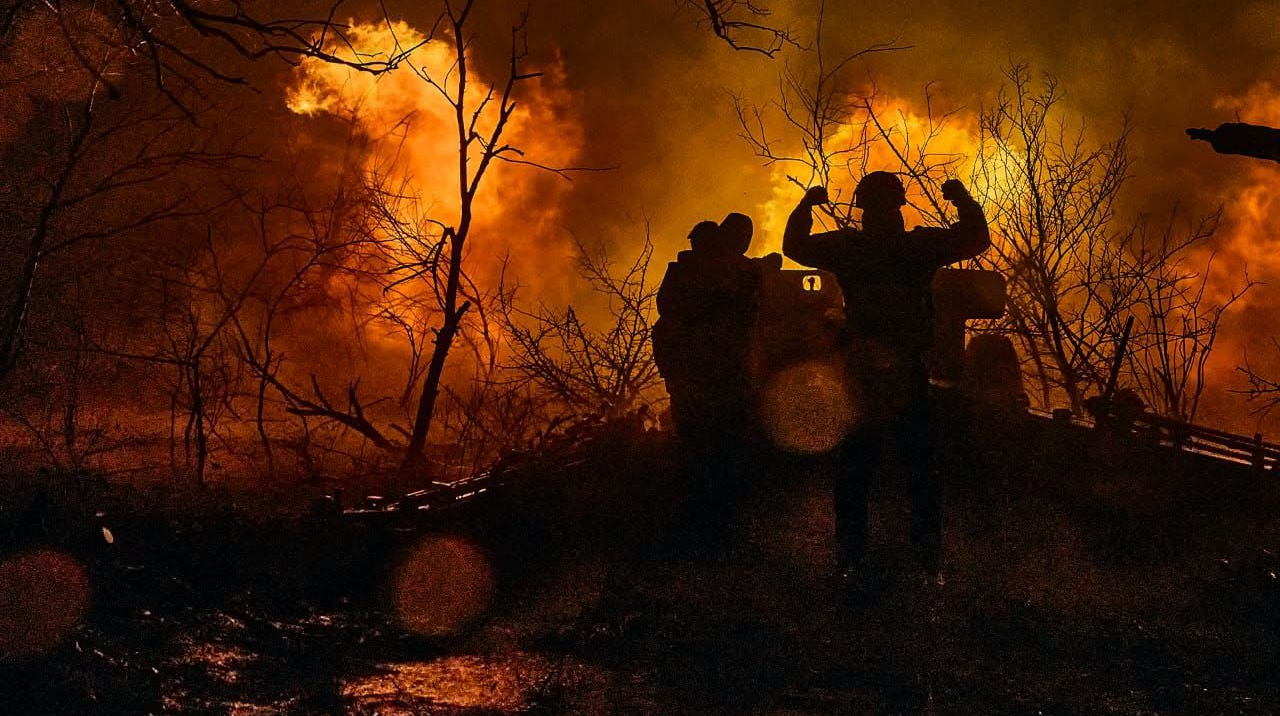
Russian forces launched ballistic missiles and 167 drones against Ukraine overnight on 11 September, with strikes recorded at 23 locations across the country, according to the Ukrainian Air Force. The attack killed a civilian in Sloviansk and seriously injured another woman, as Moscow’s week-long aerial blitz showed no sign of abating Source 20.
On the battlefield, Ukrainian units repelled 235 Russian assaults in a single day, the General Staff reported. Meanwhile, Russia deployed over 10,000 kamikaze drones across the front line — a figure that underscores the scale of Moscow’s shift toward mass-produced loitering munitions Source 21.
Sloviansk strike
At around 07:00 local time, a Russian guided bomb hit a residential building in the eastern city of Sloviansk, Donetsk Oblast. A 69-year-old man was killed, and a 63-year-old woman was pulled from the rubble with serious injuries, Donetsk Oblast Governor Vadym Filashkin said Source 22.
“There were no military targets nearby. This is a deliberate strike on the civilian population,” Filashkin wrote on Telegram, sharing images of a collapsed apartment block.
The week in strikes
Thursday’s assault caps a period of near-daily mass drone and missile barrages. Here is the sequence of major attacks, as reported by the Ukrainian Air Force and regional authorities:
- 7 September: Russia launched 92 drones; air defence downed over 70. Strikes recorded across 11 locations, including Kherson, where another civilian was killed Source 8, Source 9.
- 8 September: A wave including Iskander missiles and 166 drones hit energy infrastructure in five oblasts. Air defence intercepted 175 targets, but strikes were recorded at 29 locations Source 12, Source 13.
- 9 September: Russia deployed Iskander missiles, Banderol loitering munitions and 196 drones — 165 were shot down. Residential buildings were hit in Kryvyi Rih, Kherson, Dnipro and Kyiv Oblast, killing at least two in Kherson Source 15, Source 17.
- 10 September: 149 drones were launched, 128 intercepted. A food-processing plant in Kyiv Oblast caught fire after debris hit the facility Source 18.
Energy infrastructure has been a persistent target. Over the past week, workers from Ukraine’s state grid operator Ukrenergo have managed to stabilise blackouts caused by strikes on substations in five regions, but the repair teams are working under constant noise from drone incursions, an official told local media on condition of anonymity.
A shift in tactics
The weekly average of jet-powered drones launched by Russia in August was 2,800, according to Source 3. The 10,000 drones deployed on 11 September alone dwarfs that figure — though combat losses for Ukraine are high, Ukraine’s own interception rates remain above 80% .
Ukrainian air defence commanders have adapted by deploying mobile fire groups and using electronic warfare to confuse drone navigation, but the sheer volume of incoming threats is forcing a choice between protecting critical infrastructure and cover city centres.
“We are shooting down more than ever, but the price of a single missile interception is leaving us with ammunition saving for the next strike,” one Ukrainian officer told me, speaking on condition of anonymity because he wasn’t authorised to discuss the stockpile situation.
Damage beyond the front line
The systematic destruction of non-military infrastructure has extended to health facilities. The World Health Organisation confirmed that Russian forces have destroyed three of its warehouses in Ukraine over the past three months Source 5. The WHO expressed “deep concern” but declined to say whether the strikes were deliberate.
In Mykolaiv, a driver was killed on 6 September when a drone hit a bus on a highway south along the coast the front line was already saturated. Source 4.
Diplomatic consequences
Germany announced a plan to deploy a “comprehensive protective shield” against Russian sabotage operations in the country exclusive partner states Source 7. The Bundestag’s directive includes cybersecurity measures and protected sites for NATO logistics, reflecting western powers’ uncertainty over how far Russia’s external influence operations can extend beyond the Ukrainian border.
Ukraine’s Foreign Ministry has added drone and missile incidents to its daily report to the International Criminal Court, which is investigating hitting civilian targets as systematic human rights violations.
What to watch
The escalation of drone deployments and the use of glide bombs near the cities make one future obvious: While the Ukrainian air force adjusts to new, the coming weeks will test the resilience of the civilian population and the efficacy of Western defence supplies. There is no sign the White House will change its orders oversight (the White House ordered no tactical switching). Ukraine is now entering a “preparation phase” for winter, when infrastructure strikes could have devastating consequences.
The city under siege tonight is Sloviansk, but the pattern is spreading — not just geographically, but across the claim to any confidence sphere of human existence.
Sources
- Germany prepares comprehensive "protective shield" against Russian sabotage September 6, 2026
- Russian forces attack Ukraine with missiles and drones, strikes recorded at 23 locations September 5, 2026
- Ukrainian General Staff explains why "ceasefire" did not take effect on line of contact September 5, 2026
- Russia launched 2,800 jet-powered drones on Ukraine in August; combat colonel takes charge of Close Air Defence September 5, 2026
- Russia destroys three WHO warehouses in Ukraine over three months: organisation "deeply concerned" September 6, 2026
- Russia attacks Ukraine with 108 drones: hits recorded at 11 locations September 6, 2026
- Russian forces attack transport infrastructure in Mykolaiv Oblast, killing driver September 6, 2026
- Russian forces attack infrastructure in Kyiv Oblast September 7, 2026
- Russia attacks Ukraine with 92 drones: air defence downs over 70 UAVs, strikes recorded September 7, 2026
- Russian forces kill another person in Kherson September 7, 2026
- Russian forces attack two districts in Kyiv Oblast, causing fires September 7, 2026
- Russia attacks with various types of missiles and 166 drones: air defence downs 175 targets, strikes recorded at 29 locations September 8, 2026
- Russian forces attack energy infrastructure in five Ukrainian oblasts September 8, 2026
- Russia attacks Ukraine with Iskander missiles, Banderol loitering munitions and 196 drones: 165 UAVs downed September 9, 2026
- Russian forces attack Dnipro: warehouse and house catch fire, three people rescued from under rubble – video September 9, 2026
- Russian forces attack Kyiv and Kyiv Oblast: food processing plant, garage and lorries on fire – photos, video September 9, 2026
- Russian forces attack Kherson and outskirts: two killed, one injured September 9, 2026
- Russia attacks Ukraine with 149 drones, air defence downs 128 September 10, 2026
- Russian forces attack Kryvyi Rih: residential buildings hit, two people in surgery September 9, 2026
- Russia launches Banderol drone missile and over 160 other drones to attack Ukraine September 11, 2026
- Russians deploy over 10,000 kamikaze drones in one day, Ukrainian forces repel 235 attacks on battlefield September 11, 2026
- Russian forces launch airstrike on Sloviansk: man killed, woman seriously injured September 11, 2026
Part of the dossier
Russian attacks on Ukraine (general) →