Russia’s Sabotage Campaign Spreads Across Europe as Sweden, Germany Blame Kremlin for Hybrid Attacks
Sweden convenes its National Security Council after Germany formally blames Russia for the Leipzig drone incident, as a wave of sabotage targets European defence sites. Meanwhile, a Russian drone strike near the Polish border endangers Western officials traveling from Kyiv, underscoring a coordinated hybrid campaign to undermine support for Ukraine.
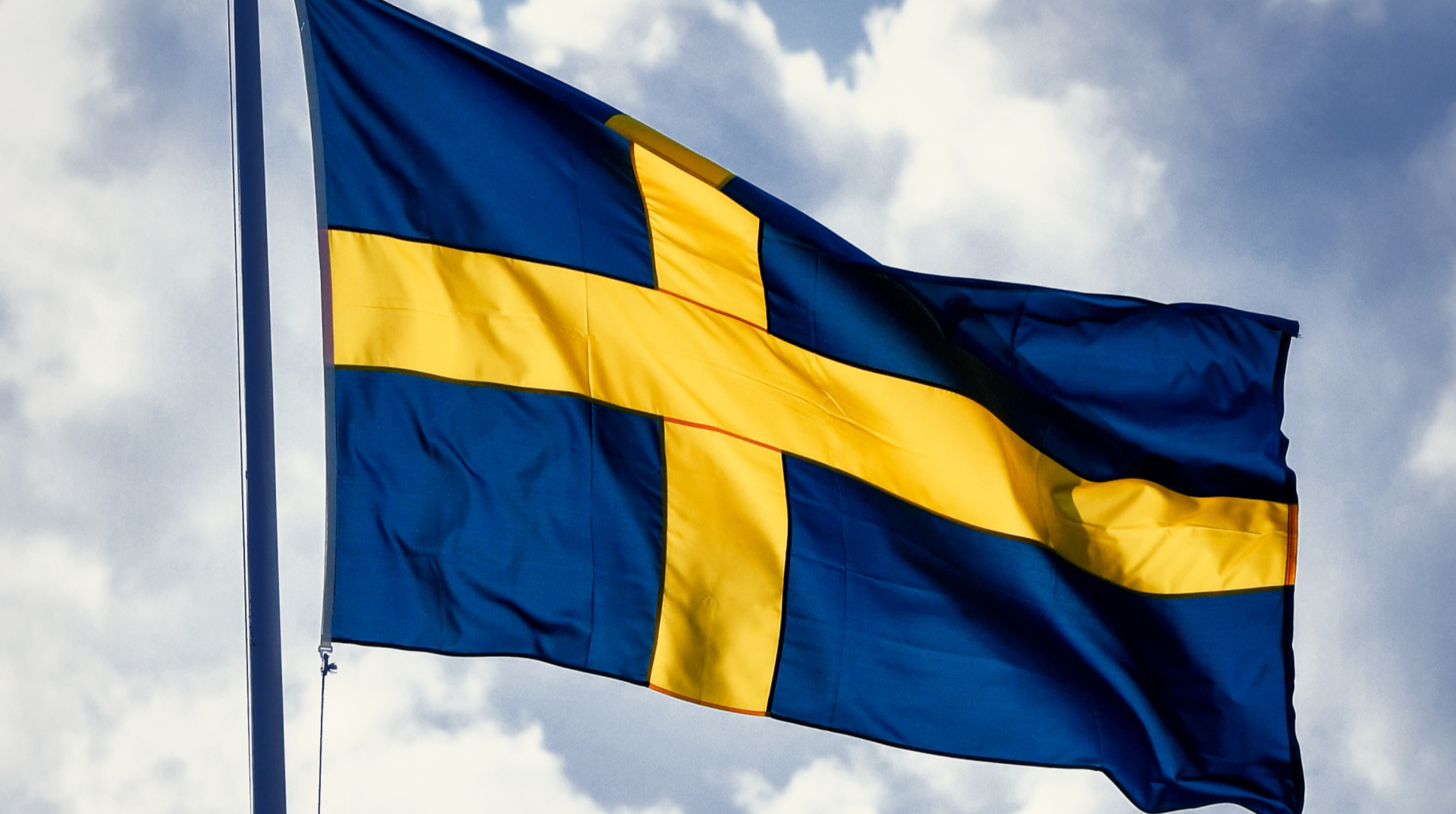
Sweden has convened its National Security Council after Germany formally accused Moscow of planting a drone packed with explosives at Leipzig Airport in August, marking the latest escalation in what European officials describe as a coordinated Russian hybrid campaign aimed at undermining support for Ukraine.
Prime Minister Ulf Kristersson announced the meeting on 2 September, stating that Sweden’s Military Intelligence and Security Service and the Security Service had briefed the government on “the Russian hybrid threat to Sweden.” He said the government considers the Leipzig incident “part of Russia's increasingly active hybrid actions, characterised by growing recklessness and indifference” Source: Ukrainska Pravda.
Germany’s interior minister declared on 1 September that “Russia is responsible” for the drone found at Leipzig Airport, which is used by Ukraine to transport military goods. Berlin responded by closing its consulate general in Bonn and the Russian House cultural centre in Berlin, while the EU and several member states summoned Russian diplomats Source: Ukrainska Pravda.
Sweden’s National Security Council meeting also came as Stockholm expelled an Iranian embassy employee on 16 September, accusing Tehran of making threats against “Jewish and Israeli interests.” Foreign Minister Maria Malmer Stenergard said the employee’s activities were “not compatible with the Vienna Convention on Diplomatic Relations” Source: Al Jazeera. Justice Minister Gunnar Strommer told state broadcaster SVT that Iran was “making use of criminal networks” to carry out attacks. While the expulsion is separate from the Russian threat, it underscores the broader security challenges Stockholm faces.
A Widespread Sabotage Campaign
Germany has recorded more than 165 suspected acts of sabotage since the beginning of the year, according to official figures Source: Ukrainska Pravda. The BBC’s Southern and Eastern Europe correspondent Sarah Rainsford reported that August alone saw a “spiralling campaign” of suspicious fires at defence facilities across Europe, including Italy, Bulgaria, and Estonia. Some countries have openly blamed Russia; others are still investigating. Poland’s interior minister, Marcin Kierwiński, warned that “Russia is changing its strategy and intensifying its activities, including terrorist and sabotage activities” Source: BBC News.
The pattern fits what analysts describe as a deliberate effort to disrupt European defence supply chains and sow division. The Leipzig drone, the fires, and the recent drone attacks near Poland’s border all point to a coordinated campaign.
Drones Threaten Western Officials
On 13 September, Russian drones struck a Ukrainian train locomotive just 5 kilometres from the Polish border, endangering European officials travelling to Warsaw after the Yalta European Strategy conference in Kyiv. Among those on the train was former British Prime Minister Boris Johnson and other senior political and security figures. Ukraine’s railway company Ukraliznytsia confirmed the locomotive was hit Source: Al Jazeera.
A separate drone struck a petrol station 2 kilometres from the Polish border, destroying or damaging several trucks. Polish Prime Minister Donald Tusk said he expects “very intensified actions by Russia”, possibly including “an escalation that will also affect our territory.” Ukrainian Foreign Minister Andriy Sybiha described the attack as “Putin’s terror ‘knocking’ directly on the doors of the EU and NATO” Source: Al Jazeera.
These drone strikes come as Russia’s ground war in Ukraine faces setbacks. An attempt to seize the city of Lyman in the Donetsk region resulted in the loss of 85 square kilometres of previously occupied territory, according to reports from this week Source: Al Jazeera.
Strategic Significance
The hybrid campaign appears designed to pressure Europe into reducing military support for Kyiv while avoiding a direct confrontation with NATO. By targeting infrastructure near NATO borders and threatening officials, Moscow is testing the alliance’s resolve. Germany’s formal accusation and Sweden’s National Security Council meeting signal that European capitals now treat these incidents as a direct challenge to their security.
Sweden’s decision to also expel an Iranian employee shows the multi-front nature of the threat: Iran, a key Russian ally, is accused of using criminal proxies to target Israeli and Jewish interests on Swedish soil. The Swedish Security Service confirmed that Iran “continues to engage in activities that pose security threats in and against Sweden” Source: Al Jazeera.
As the autumn progresses, European governments are bracing for more provocations. The question is whether they will respond collectively—with increased sanctions, intelligence sharing, and defensive measures—or whether Russia’s hybrid campaign will succeed in driving wedges between allies.
Sources
- Sweden convenes National Security Council after Berlin blamed Russia for Leipzig incident September 2, 2026
- Sweden pauses Denmark power cable over EU grid rules September 2, 2026
- Germany records over 165 suspected acts of sabotage since beginning of year September 4, 2026
- Europe targeted by spiralling campaign of sabotage and Russia is the chief suspect September 4, 2026
- Sweden expels Iran embassy employee, citing security concerns September 16, 2026
- Russia’s drones threaten Kyiv-bound Western officials as war effort stalls September 18, 2026
Part of the dossier
Russia Hybrid Threats and Drone Incidents →