Russia targets SSU headquarters in Kyiv, then hits airports as Zelenskyy presses NATO for air defences
A Russian drone struck the SSU headquarters in Kyiv on 4 September, injuring five and targeting the agency chief's office. Zelenskyy met acting head Poklad, vowed repairs and a response, and pressed NATO for air defences. The next day, he reported strikes on Zhuliany and Boryspil airports.
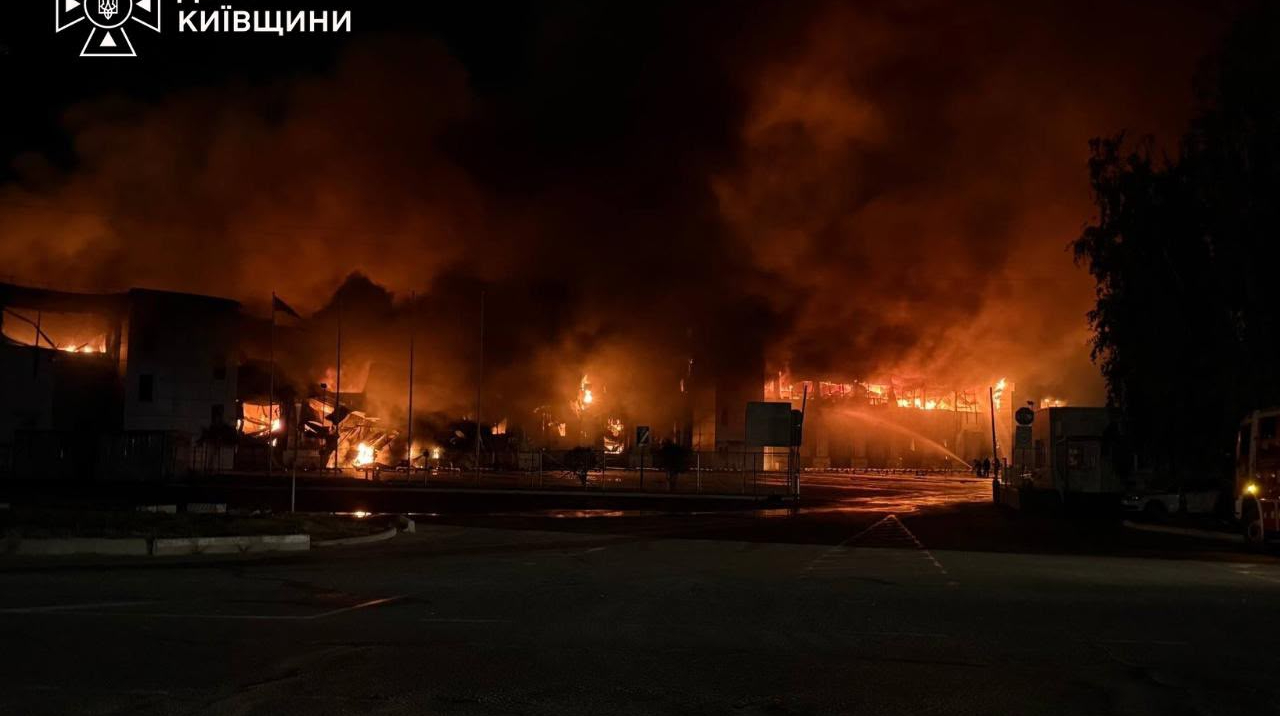
Russia has escalated its aerial campaign against Ukrainian state institutions, striking the headquarters of the Security Service of Ukraine (SSU) in central Kyiv on 4 September and injuring five people. The following day, President Volodymyr Zelenskyy reported new Russian strikes on the capital's two civilian airports, Zhuliany and Boryspil.
The SSU strike landed in the middle of the day in a densely built-up district, hitting the domestic intelligence agency's main building. Al Jazeera reported that the drone directly targeted the agency chief's office, according to Zelenskyy, who ordered an immediate response. The president did not specify what that response would entail, but his language pointed to both retaliation and a renewed appeal to allies.
Zelenskyy later met with acting SSU head Poklad at the damaged building. According to Ukrainska Pravda, Poklad confirmed that the building would be repaired and operations would continue. The meeting itself carried a signal: the agency's leadership remains in place and functional despite the strike.
The choice of target matters. The SSU is not just any government office; it is Ukraine's main counterintelligence and domestic security service, responsible for investigating Russian sabotage, surveillance and cyber operations. Striking its central headquarters is an attempt to hit the state's internal security apparatus at its heart. Targeting the chief's office, if confirmed, would suggest an effort to decapitate the institution — a tactic Russia has used against Ukrainian military and political leadership throughout the war.
On 5 September, Zelenskyy said in a statement that Russian forces had struck Zhuliany and Boryspil airports, both on the outskirts of Kyiv. Ukrainska Pravda carried his remarks, but details of the strikes — including any casualties or damage — have not yet been independently confirmed. The airports have been frequent targets of Russian missile and drone attacks, though civilian aviation remains largely shut down in wartime.
The back-to-back strikes appear to be part of a broader Russian campaign to stretch Ukraine's air defence resources. Kyiv has been protected by a layered network of Western-supplied systems, but Russia has repeatedly probed for gaps, using waves of drones to exhaust interceptor stocks before launching more expensive missiles.
Zelenskyy used the moment to renew his appeal to NATO allies for additional air defence systems. His message was direct: protecting Kyiv's government district and critical infrastructure requires more Patriot launchers and shorter-range interceptors. The strikes on the SSU building and the airports underscore the urgency — civilian and state targets are being hit within hours of each other.
For Ukrainians, the attack on the SSU headquarters is a reminder that no institution is off-limits. For allies, it is a test of whether pledges of support will translate into the specific air defence hardware Ukraine says it needs. The coming days will show what Zelenskyy's ordered "response" looks like — and whether NATO answers the request.
Sources
Part of the dossier
Russian drone strike on SSU building in Kyiv →