Russia Strikes Ukraine’s Power Grid Again: Six Oblasts Hit as Kherson Plant Crippled
Russia struck Ukraine's energy infrastructure on 26-27 August, causing power outages in six oblasts and severely damaging the Kherson thermal power plant. Kyiv is calling for urgent help ahead of winter.
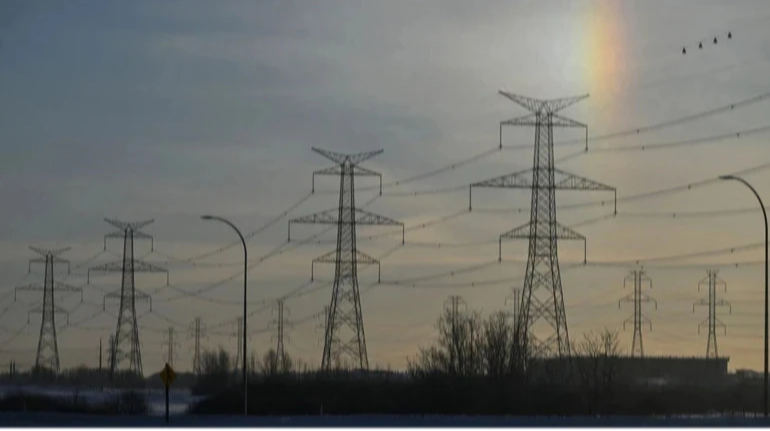
Russia launched a fresh wave of strikes on Ukraine’s energy infrastructure overnight on 26–27 August, causing power outages in six oblasts and severely damaging the Kherson thermal power plant, the city’s main heating source, with a guided bomb a day earlier.
The attacks underscore Moscow’s intensifying campaign to cripple Ukraine’s power grid ahead of winter, a strategy that Kyiv and Western officials have long warned is aimed at breaking civilian morale rather than achieving military gains.
Six Oblasts Hit in Coordinated Attack
Ukrenergo, Ukraine’s national power transmission system operator, reported on the morning of 27 August that emergency power outages had been introduced in Donetsk, Dnipropetrovsk, Kharkiv, Poltava, Odesa and Sumy oblasts following the overnight strikes.
“Emergency repair work is underway wherever the security situation allows. Power engineers are doing everything possible to return equipment damaged by the enemy to operation as quickly as possible,” Ukrenergo said in a statement.
The operator urged consumers to shift energy-intensive activities to between 10:00 and 15:00 and to conserve electricity between 18:00 and 22:00 to ease strain on the grid.
Kherson Thermal Plant ‘Severely Damaged’
On 26 August, Russian forces struck the Kherson thermal power plant – a civilian facility that supplies heating to the city’s residents – with a guided aerial bomb, according to the Naftogaz group, Ukraine’s largest national oil and gas company.
“The scale of the damage can be assessed once the security situation permits. We are coordinating further actions with the local authorities,” said Serhii Fedorenko, acting Chairman of Naftogaz’s board.
The company noted that Russian forces have attacked the plant dozens of times in 2026 alone. The Kherson plant has been a frequent target because of its importance to the city’s heating system, which is critical as temperatures drop in autumn and winter.
Nuclear Repairs Add to Strain
Denys Shmyhal, First Deputy Prime Minister and Energy Minister, said earlier that three of the nine nuclear power units under Ukrainian control are currently undergoing repairs, further limiting the country’s generating capacity.
Nuclear power accounts for a significant share of Ukraine’s electricity output, and the simultaneous repairs mean the grid has less buffer to absorb the impact of Russian strikes.
Kyiv Calls for Urgent Help Before Winter
Foreign Minister Andrii Sybiha used the attack to renew calls for international support, saying Russia had targeted ports, grain storage facilities, energy and industrial infrastructure using ballistic and hypersonic missiles as well as attack drones.
“This is state terrorism. It does not show strength; it shows helplessness. Putin cannot and will not achieve anything on the battlefield. Instead, he is betting on terrorising our cities, ports, and critical infrastructure,” Sybiha wrote on X.
He argued that proving Russia’s terror tactics futile would bring the end of the war closer, and specifically called for additional support packages to strengthen Ukraine’s energy resilience ahead of winter.
“We value every contribution: air defence, generation capacity, equipment, resources and energy imports,” Sybiha said.
The Ukrainian Air Force reported that Russia launched 258 strike drones and multiple ballistic and anti-ship missiles during the night of 26–27 August. Ukraine’s air defence downed 233 of the drones. Five drones also entered Moldova’s airspace during the attack.
Strategic Implications
The latest strikes fit a pattern Russia has repeated each winter since the full-scale invasion began in 2022: targeting the power grid to make life unbearable for civilians and pressure Kyiv into concessions. While Ukraine has improved its air defence coverage and grid resilience over the years, the sheer volume of Russian munitions – including cheap drones designed to overwhelm defences – continues to inflict damage.
The attack on the Kherson thermal power plant is particularly significant because it is a civilian heating facility, not a military target. Under international humanitarian law, deliberately attacking objects indispensable to the civilian population – such as power plants supplying heating – can constitute a war crime.
With three nuclear units offline and emergency repairs ongoing across six oblasts, Ukraine’s energy system is under severe strain. The coming weeks will test whether Kyiv’s partners can deliver enough air defence systems and repair equipment to keep the lights – and the heat – on.
Reporting by Marta Kovalenko
Sources:
Sources
- Russia hits Kherson thermal power plant with guided bomb, causing severe damage August 26, 2026
- Russian attacks target energy infrastructure in six Ukrainian oblasts August 27, 2026
- Ukraine's foreign minister urges Kyiv's partners to boost support ahead of winter after massive Russian attack August 27, 2026
Part of the dossier
Russian Attacks on Ukrainian Energy Infrastructure →