Russia Threatens UK Military Targets as CIA Chief Warns Moscow Against NATO Test
Russia warns it could strike British military facilities in Ukraine and beyond after the UK shares Storm Shadow missile technology with Kyiv. CIA Director Ratcliffe visited Moscow amid US intelligence that Russia may test NATO with a limited assault on an ally.
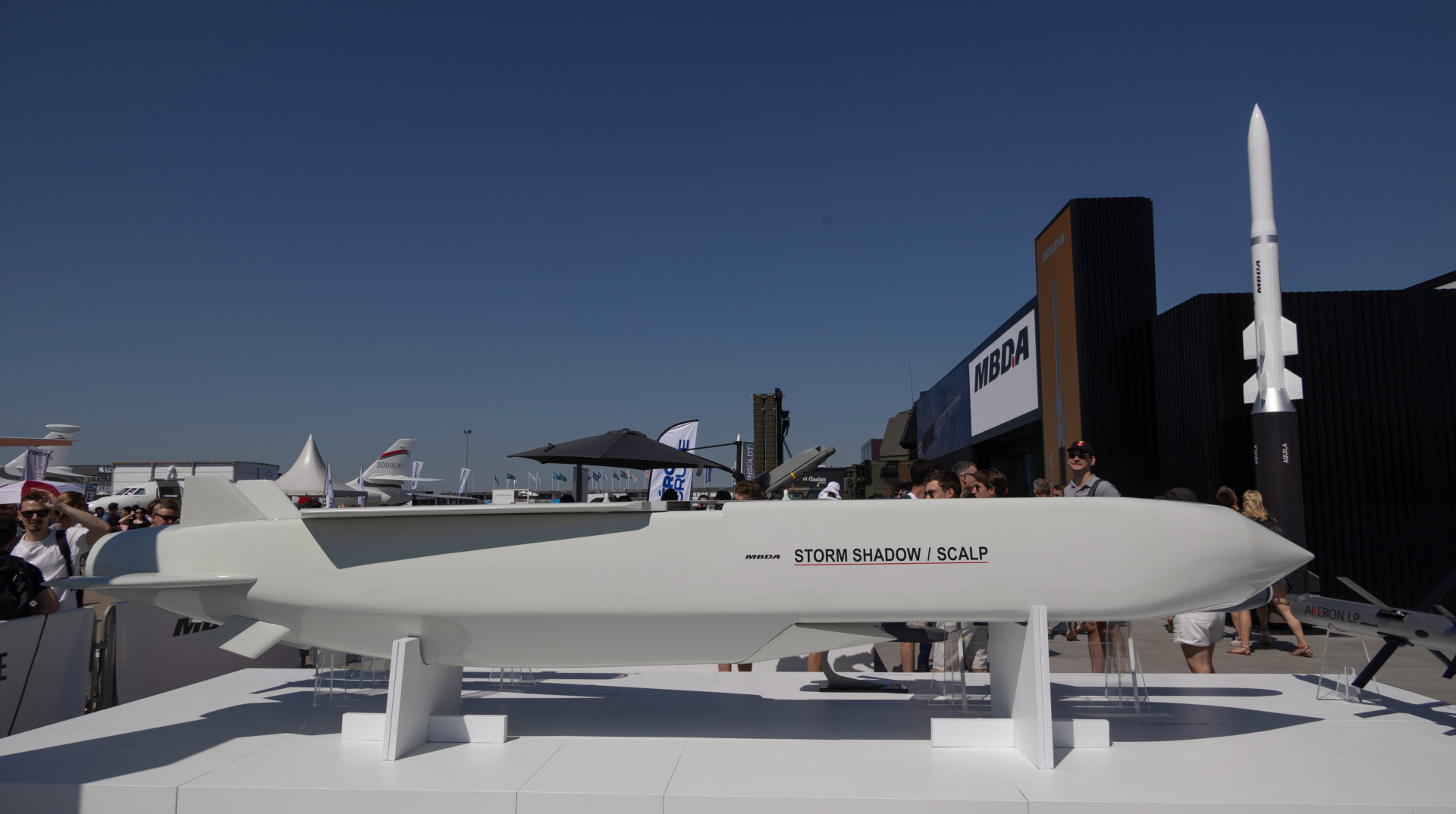
Russia has escalated its threats against the United Kingdom, warning that British military facilities in Ukraine and beyond could be struck in retaliation for London’s decision to share Storm Shadow cruise missile production technology with Kyiv. The warning came as CIA Director John Ratcliffe made a secretive visit to Moscow, where he reportedly conveyed a US intelligence assessment that Russia may be planning a limited assault on a NATO ally.
Moscow’s expanding threat spectrum
On 27 August, Russian Foreign Ministry spokesperson Maria Zakharova said that “any British military facilities and equipment in Ukraine and beyond its borders could become targets in response to Ukrainian strikes using British weapons on Russian territory,” according to Kremlin-aligned news agency TASS Source 9. She accused the UK and France of “playing with fire” and said they bore “direct responsibility for participating in terrorist attacks” Source 7. The threat goes beyond the earlier, more ambiguous warning from Kremlin adviser Andrei Fedorov, who on 25 August suggested that British drone factories could face attacks from “unknown sources” Source 1. Zakharova’s language is direct and explicitly targets military infrastructure, not just manufacturing sites.
The UK’s move to share Storm Shadow blueprints was announced by Prime Minister Andy Burnham during his first overseas trip to Kyiv on 24 August Source 3. The Storm Shadow, known in its French variant as SCALP, is a long-range cruise missile that Ukraine has already used effectively against Russian command posts and logistics hubs. By handing over production technology, the UK enables Ukraine to build its own stockpile, reducing dependence on limited Western supplies.
CIA director’s Moscow visit and the NATO dimension
Amid the escalating rhetoric, CIA Director John Ratcliffe travelled to Moscow on 25 August. Kremlin spokesperson Dmitry Peskov initially denied any planned talks, but later confirmed the visit was about “contacts between security services” Source 6. The Wall Street Journal reported that Ratcliffe’s trip followed a US intelligence assessment that Russia might be preparing a limited assault on a NATO ally – possibly a cyberattack or small-scale incursion in a Baltic state – to test the alliance’s response Source 8. The US reportedly asked Ukraine to suspend strikes on Russian territory during the delegation’s visit Source 6.
Peskov dismissed such reports as “scare-story material” with “nothing to do with the intentions of the Russian Federation” Source 8. But the timing of Ratcliffe’s visit – sandwiched between two sets of Russian threats to the UK – underscores how closely the missile technology transfer is linked to wider NATO-Russia tensions.
Ukraine continues deep strikes
While the diplomatic and intelligence moves played out, Ukraine pressed its long-range campaign against Russian infrastructure. On 26 August, a Ukrainian drone strike hit a Wildberries logistics centre in the Tambov region, the latest in a series of attacks on Russia’s largest online retailer Source 5. Twenty of the company’s warehouses have now been targeted. Wildberries, often described as “Russia’s Amazon”, is a high-value economic target; disrupting its logistics adds to the domestic pressure on the Kremlin.
Why this matters
For European readers, the key takeaway is that Russia’s threats against the UK are no longer just rhetorical. Zakharova’s statement – that British military facilities “beyond Ukraine’s borders” could be hit – implies Moscow is willing to consider strikes on NATO territory, at least as a coercive signal. Combined with the US intelligence assessment that Russia may test the alliance with a limited assault, the risk of direct confrontation between NATO and Russia is higher than at any point since February 2022.
Britain has so far responded with defiance. Burnham said the UK would not be intimidated, and the government has not reversed its decision to share Storm Shadow technology. But the Kremlin’s escalation ladder now includes paramilitary action against factories, explicit threats against military targets, and a possible limited strike on a NATO member. The CIA director’s visit appears to have been an attempt to draw red lines – but whether Moscow heeds them remains an open question.
Sources
- UK to back Ukraine with missile blueprints amid Russia-Ukraine strikes August 25, 2026
- Kremlin denies planned talks with US envoys amid reports CIA head in Russia August 25, 2026
- Storm Shadows for Ukraine: Kremlin threatens UK with paramilitary action against arms factories August 25, 2026
- Kremlin adviser warns UK drone factories could face attacks August 25, 2026
- Russia’s ‘Amazon’ Wildberries comes under Ukraine attack again August 26, 2026
- Kremlin reveals purpose of CIA director's visit to Moscow August 26, 2026
- Russia says it could hit UK military targets over support for Ukraine – UK politics live August 27, 2026
- Russia warns Britain is ‘playing with fire’ over its support of Ukraine August 27, 2026
- Russia threatens UK with strikes on military targets over weapons and technology supplies to Ukraine August 27, 2026
Part of the dossier
Storm Shadow Missile Technology and Kremlin Threats →