Russia unleashes largest drone and missile barrage in days, hitting 28 locations across Ukraine
Russia launched a massive overnight attack on Ukraine on 31 August–1 September, firing ballistic missiles, cruise missiles, and 218 drones, with strikes recorded at 28 locations. Ukrainian air defences destroyed or jammed 199 aerial assets. Meanwhile, US Treasury Secretary Scott Bessent told his Russian counterpart no economic relief is possible until the war ends, and the UK doubled penalties for sanctions breaches.
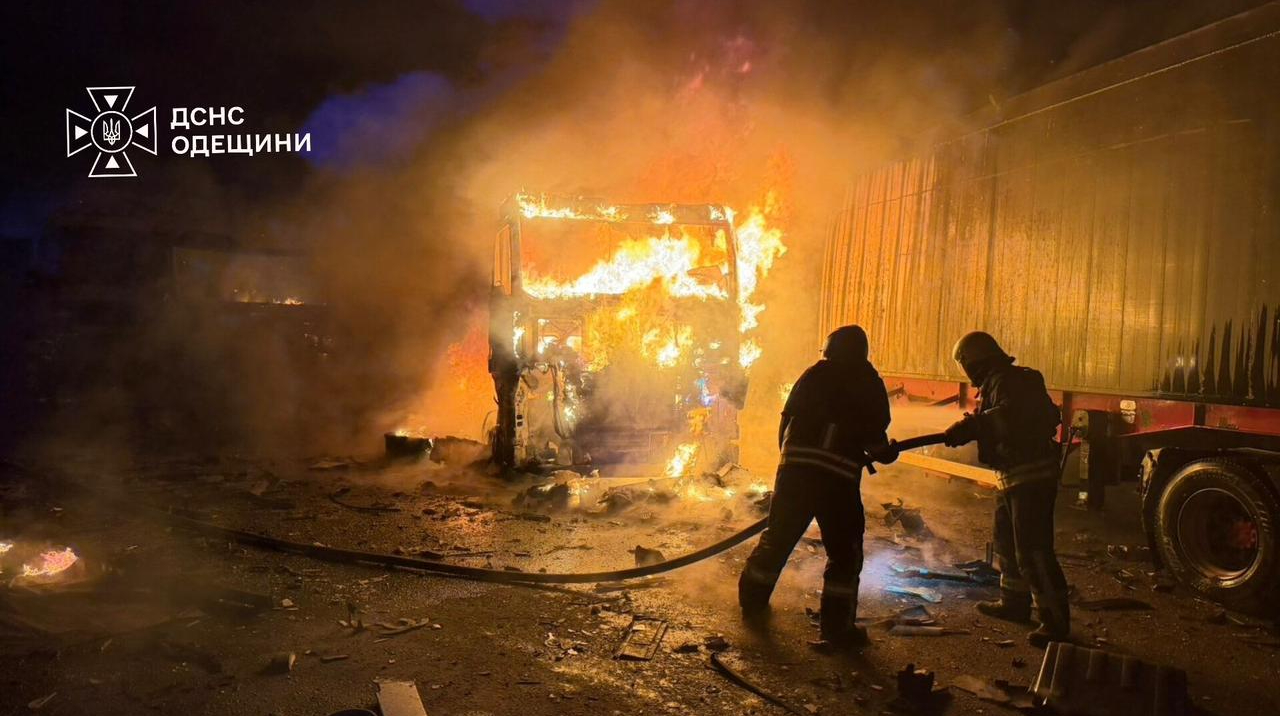
Russia launched its most intense aerial assault in recent days on the night of 31 August–1 September, firing a mix of ballistic missiles, cruise missiles, anti-ship missiles and 218 drones at targets across Ukraine. Ukrainian air defence forces destroyed or jammed 199 of the incoming assets, but strikes were recorded at 28 locations, the Air Force reported Source 8. The attack came as Western officials stepped up economic pressure on Moscow and as fighting on the eastern front remained intense.
The barrage included five Iskander-M/KN-23/S-400 ballistic missiles, Zircon and Kalibr cruise missiles, anti-radiation Kh-31P missiles, S8000 Banderol loitering munitions, and Shahed and Gerbera drones. The main targets were Odesa and Kyiv oblasts, the Air Force said. Explosions were reported in the capital early on Tuesday, with local authorities saying four people were injured, including two children Source 7.
The new wave follows three consecutive nights of heavy Russian strikes. On 28–29 August, Russia fired an Oniks anti-ship missile, an Iskander-M ballistic missile and 267 drones, hitting 15 locations. One person was killed and three injured in the Izmail district of Odesa Oblast, where eight lorries carrying food caught fire Source 1; Source 2. The following night, 29–30 August, the Russians launched two Iskander-M missiles and 130 jet-powered drones, with hits at 13 locations Source 3.
While Ukraine’s air defences have been intercepting the majority of these assets – the Air Force reported destroying or jamming 233 drones on 28–29 August, 125 on 29–30 August, and 199 on 31 August–1 September – the sheer volume and variety of munitions is straining the system. The Russian military has shifted to using jet-powered drones, which are faster than the earlier propeller-driven Shaheds, forcing Ukrainian engineers to accelerate development of interceptor drones Source 7.
On the diplomatic front, the message from Washington to Moscow was blunt. US Treasury Secretary Scott Bessent told his Russian counterpart, Finance Minister Anton Siluanov, at a G20 finance leaders’ meeting in Asheville, North Carolina, that no economic relief is possible until the war in Ukraine ends. A source told Reuters that Bessent said no agreements of any kind were possible until the war ended Source 7. The Russian minister’s first in-person G20 appearance since the invasion irritated European officials who are working on more sanctions.
Britain, meanwhile, doubled the penalties for sanctions breaches, increasing fines from 50% to 100% of the value of the violation, the UK Treasury said. Chancellor John Healey also announced that the National Crime Agency had issued a nationwide alert targeting the Kremlin-backed A7 network, which the British government says is used to route funds and evade restrictions Source 7.
On the battlefield, the General Staff of the Armed Forces of Ukraine reported 225 combat clashes on 31 August, with the highest concentration of Russian attacks on the Pokrovsk and Kostiantynivka fronts. On the Pokrovsk front, Russian forces launched 36 assaults, trying to advance near a series of settlements including Novyi Donbas, Hulive and Bilytske. On the Kostiantynivka front, 23 attacks were recorded. The Russians also attempted to advance near Mala Tokmachka on the Orikhiv front Source 4.
The intense Russian air campaign appears designed to degrade Ukraine’s energy infrastructure and wear down its air defences before winter. Former Ukrainian Defence Minister Mykhailo Fedorov, who oversaw the country’s drone programme, has offered to help the United States build an “army of drones” in exchange for Patriot interceptor missiles, saying he is “ready to make that trade” to help Ukraine survive the coming winter Source 5. The offer, first reported by the Financial Times, underscores the urgency of Ukraine’s need for interceptors as Russia steps up its missile and drone barrages.
In a separate but symbolic move, President Vladimir Putin signed a decree increasing the staff of the Federal Protective Service (FSO) headquarters for the fourth time since the full-scale invasion began, raising the number of employees to 812. The FSO is responsible for the security of top officials, including Putin himself Source 9.
The combination of sustained aerial attacks, diplomatic pressure and grinding ground combat suggests Moscow is betting on attrition to outlast Western support. For now, Ukraine’s air defences are holding, but the question of how long they can sustain the pace – and whether the West will provide enough Patriots and other interceptors – remains open.
Sources
- One killed and three injured in Russian overnight attack on Izmail district August 29, 2026
- Russia attacks Ukraine with missiles and drones overnight, hitting 15 locations August 29, 2026
- Russia attacks Ukraine with two Iskander missiles and 130 drones overnight August 30, 2026
- Russia launches 36 attacks on Pokrovsk front and attempts to advance near Mala Tokmachka – Ukraine’s General Staff August 31, 2026
- Ex-defence minister Fedorov proposes US creation of "army of drones" in exchange for Patriot interceptors – FT August 30, 2026
- JERUSALEM DAILY: JOURNALISTS ATTACKED August 31, 2026
- Ukraine war briefing: Pressure stays on Russian economy until war is over, says Bessent September 1, 2026
- Russia attacks Ukraine with different missiles and 218 drones: 199 aerial assets destroyed September 1, 2026
- Putin expands his security service staff for fourth time since full-scale invasion August 31, 2026
Part of the dossier
War in Ukraine - Russian Attacks →