Russian barrage hits Kyiv Oblast for third night, food plant set ablaze as Germany unveils anti-sabotage shield
Russian forces struck Kyiv Oblast for a third straight night with missiles and 196 drones, setting a food plant ablaze. Germany unveiled a protective shield against Russian sabotage. The WHO confirmed three of its Ukraine warehouses were destroyed.
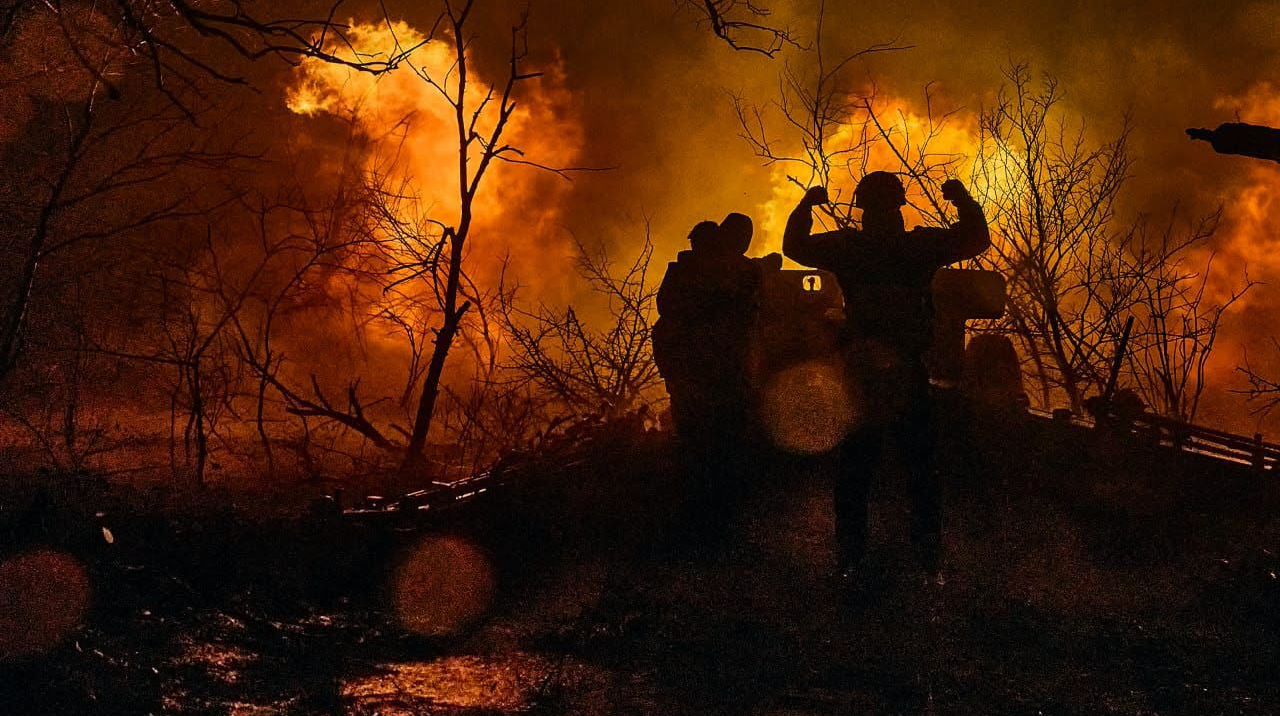
Russian forces have struck Ukraine with ballistic missiles, loitering munitions and 196 drones overnight, with air defence shooting down 165 of the incoming UAVs and strikes recorded at 29 locations, Ukraine's Air Force reported on 9 September. The attacks hit Kyiv and Kyiv Oblast for a third consecutive night, setting a food processing plant, a garage and lorries on fire, according to regional authorities.
Ukrainian air defence downed 165 drones and five of six Kh-59 cruise missiles, while Russia also launched Iskander-M ballistic missiles and Banderol loitering munitions, the Air Force said. Debris in Kyiv Oblast caused damage to a business, but no casualties were reported. The attacks come as part of an intensified Russian aerial campaign that saw 2,800 jet-powered drones launched in August alone, according to the Ukrainian General Staff.
Energy infrastructure was hit in five Ukrainian oblasts — Kyiv, Chernihiv, Sumy, Poltava and Dnipropetrovsk — on the night of 7-8 September, the Ministry of Energy confirmed. Strikes also hit transport infrastructure in Mykolaiv Oblast, killing a driver, and in Kherson, where Russian shelling killed another civilian on 7 September, according to local officials.
The World Health Organization (WHO) said on 6 September that Russia had destroyed three of its warehouses in Ukraine within three months, calling the attacks a violation of international humanitarian law. The organisation expressed "deep concern" over the targeting of medical supplies.
Separately, Germany announced plans for a comprehensive "protective shield" against Russian sabotage, according to a report on 6 September. The measure includes enhanced surveillance of critical infrastructure and coordination with NATO allies, reflecting growing alarm in Berlin over hybrid attacks targeting energy and transport networks across Europe.
On the diplomatic front, Ukrainian officials said a ceasefire along the line of contact, announced by Kyiv on 4 September, never took hold due to continued Russian fire. The General Staff on 5 September explained that Russian forces had maintained artillery and drone strikes throughout the declared truce period, a claim corroborated by overnight attack data since then.
Frontline developments
In the past 24 hours, Russian forces conducted 785 artillery bombardments on Ukrainian positions, and 53 combat engagements were recorded on the front line, the General Staff reported. The most intense fighting continued in the Pokrovsk and Kurakhove sectors of Donetsk Oblast, where Russian assault groups are attempting to advance.
Ukrainian defences have been bolstered by the appointment of a combat colonel as the new head of Close Air Defence troops, a move designed to improve interception rates against drones and missiles. The Air Force said it had shot down 165 drones overnight, a 84% success rate against the 196 launched, though debris from intercepted weapons still caused damage on the ground.
Strategic significance
The current wave of Russian strikes, which has averaged over 150 drones per night since 3 September, marks the most sustained aerial campaign since the spring of 2026. By hitting civilian and energy infrastructure in central and northern Ukraine, Moscow appears to be testing the limits of Ukraine's air defence umbrella while keeping pressure on the grid ahead of winter.
The targeting of Kyiv Oblast for three straight nights suggests a deliberate attempt to disrupt daily life in the capital region. The damage to a food processing plant, while not causing casualties, carries economic and symbolic weight.
For European readers, the German protective shield and the WHO's warehouse destruction serve as reminders that the war is not confined to the front line. Both developments underscore the increasing risk of escalation into sabotage and grey-zone warfare against critical infrastructure beyond Ukraine's borders.
Sources
- Germany prepares comprehensive "protective shield" against Russian sabotage September 6, 2026
- Russian forces attack Ukraine with missiles and drones, strikes recorded at 23 locations September 5, 2026
- Ukrainian General Staff explains why "ceasefire" did not take effect on line of contact September 5, 2026
- Russia launched 2,800 jet-powered drones on Ukraine in August; combat colonel takes charge of Close Air Defence September 5, 2026
- Russia destroys three WHO warehouses in Ukraine over three months: organisation "deeply concerned" September 6, 2026
- Russia attacks Ukraine with 108 drones: hits recorded at 11 locations September 6, 2026
- Russian forces attack transport infrastructure in Mykolaiv Oblast, killing driver September 6, 2026
- Russian forces attack infrastructure in Kyiv Oblast September 7, 2026
- Russia attacks Ukraine with 92 drones: air defence downs over 70 UAVs, strikes recorded September 7, 2026
- Russian forces kill another person in Kherson September 7, 2026
- Russian forces attack two districts in Kyiv Oblast, causing fires September 7, 2026
- Russia attacks with various types of missiles and 166 drones: air defence downs 175 targets, strikes recorded at 29 locations September 8, 2026
- Russian forces attack energy infrastructure in five Ukrainian oblasts September 8, 2026
- Russia attacks Ukraine with Iskander missiles, Banderol loitering munitions and 196 drones: 165 UAVs downed September 9, 2026
- Russian forces attack Kyiv and Kyiv Oblast: food processing plant, garage and lorries on fire – photos, video September 9, 2026
Part of the dossier
Russian attacks on Ukraine (general) →