Russian drone strikes on Zaporizhzhia and Kyiv target civilians and infrastructure, killing one and injuring four
Russian drone attacks on Zaporizhzhia and Kyiv on 10-11 and 15 September 2026 kill one energy worker and injure four civilians, including a mother and her son. Strikes hit homes, power grids, and petrol stations, disrupting electricity and emergency services.
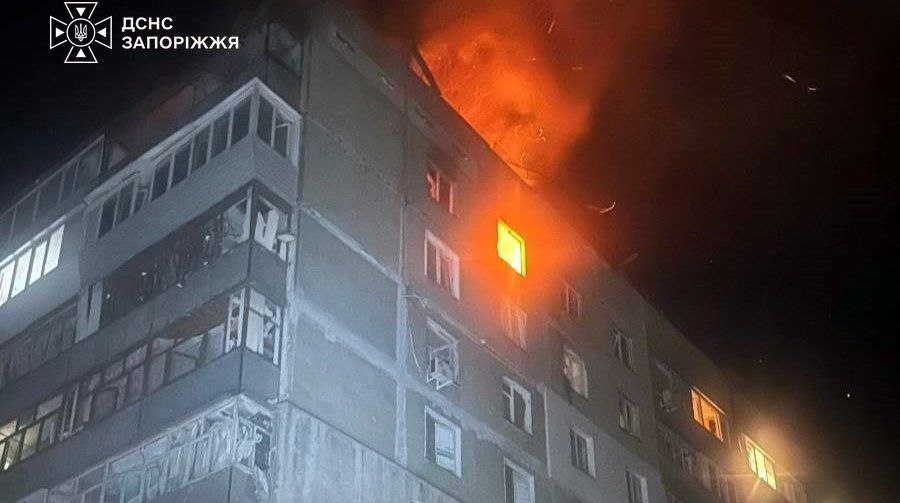
Russian drone attacks across Ukraine this week have left at least one person dead and four injured, with strikes hitting residential areas and critical infrastructure in Zaporizhzhia and Kyiv. The attacks underscore Moscow's continued targeting of Ukrainian civilian infrastructure and the mounting toll on non-combatants.
On the night of 10–11 September, a Russian unmanned aerial vehicle struck a home in Zaporizhzhia, wounding a mother and her son, according to a report by Ukrainska Pravda. The victims' current condition has not been disclosed, nor have the specific drone models or responsible units been officially identified.
The assault on Zaporizhzhia intensified on the morning of 15 September when Russian drones struck the city's power grids, killing one person and injuring another. Mykhailo Semkin, acting head of the Zaporizhzhia Oblast Military Administration, confirmed on social media that the morning attack claimed the life of a man and left a woman with injuries, as cited by Ukrainska Pravda. Andrii Stasevskyi, head of the regional power company Zaporizhzhiaoblenergo, further identified the victim as an employee of the firm; the injured female employee was hospitalised with severe wounds. The drones caused a fire at an infrastructure facility, which emergency services extinguished, though parts of the city remain without electricity due to the damage.
In Kyiv, Russian drone strikes also hit petrol stations on 15 September, injuring three people overall. The Kyiv City Military Administration reported that a UAV struck a petrol station in the Holosiivskyi district, with Kyiv Mayor Vitali Klitschko stating two people were injured and taken to hospital, according to Ukrainska Pravda. Earlier that same day, a separate drone hit a petrol station in the Darnytskyi district, injuring one person. Klitschko reported heavy smoke rising over Holosiivskyi after the drone impact.
These attacks are part of an ongoing pattern of Russian drone operations targeting Ukrainian civilian areas and energy infrastructure. While Moscow consistently denies deliberately targeting civilians, the repeated strikes on residential buildings, petrol stations, and power grids suggest a strategy of demoralisation and disruption. The lack of identification of responsible units or drone types leaves open questions about the provenance of the systems used, though both Shahed-type loitering munitions and other models are known to be employed by Russian forces.
For Ukraine, the immediate consequence is a strain on emergency services and power restoration crews. The Zaporizhzhia attack, by killing an energy worker and damaging the grid, directly hinders efforts to stabilise electricity supply ahead of winter. Meanwhile, the capital Kyiv again faces the daily risk of drone incursions, with petrol stations—essential for both civilian transport and military logistics—being deliberately targeted.
As of now, the condition of the mother and son injured on 10–11 September has not been updated. The drone models used in the 15 September strikes have not been publicly specified. The incidents bring the total known casualties from Russian drone strikes on 15 September to at least one dead and four injured across both cities.
Sources
- Another Russian drone hits petrol station in Kyiv September 15, 2026
- Russians attack Zaporizhzhia: energy worker killed September 15, 2026
- Russian drone attack on Zaporizhzhia injures mother and her child – photos September 11, 2026
Part of the dossier
Russian drone attack on Zaporizhzhia injures mother and her son →