Russian drones strike near Polish border as deadly attacks on Ukrainian infrastructure continue
Russian drone attacks hit a border crossing and a train near Poland, while strikes on Kyiv railway workers and civilian infrastructure persist. Ukraine faces a Patriot shortage as US envoys shuttle with a peace proposal.
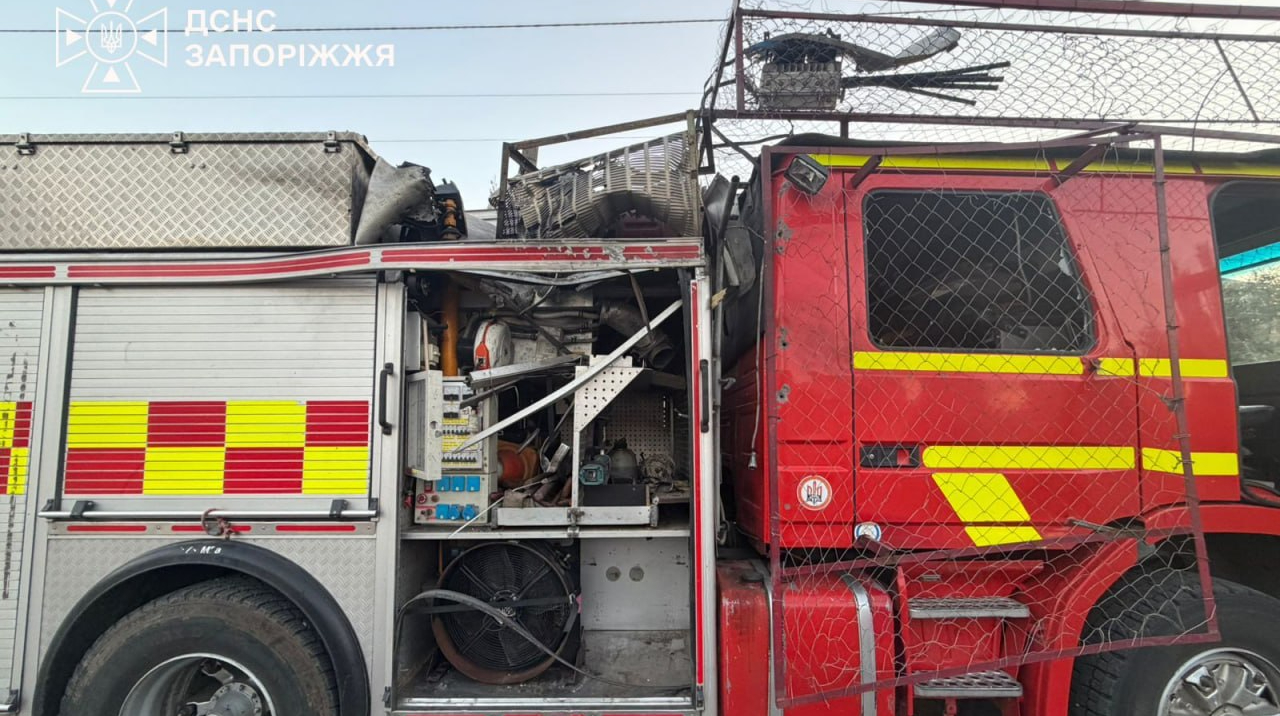
Russian drone attacks have reached within less than a kilometre of NATO territory, hitting a truck near the Dorohusk-Yahodyn border crossing with Poland and striking a Warsaw-bound train inside Ukraine, Polish and Ukrainian officials reported on 13 September. The incidents underscore the expanding geographic scope of Moscow's campaign to disrupt Ukraine's logistics lifelines, as the country endures its most intense wave of aerial bombardment since the war began.
The Dorohusk-Yahodyn crossing, a key route for humanitarian and commercial traffic, briefly suspended operations after a drone struck a truck about 0.8km from the Polish border, according to Polish border guards Al Jazeera, 13 September. A separate drone hit a passenger train bound for Warsaw inside Ukraine, though no casualties were reported. The Russian Defence Ministry claimed its forces had targeted “infrastructure facilitating military cargoes from Europe in western Ukraine.”
The attacks near Poland come as Russia continues to pound civilian infrastructure across Ukraine. On 1 September, a wave of missiles and drones killed at least 12 people in and around Kyiv, including seven railway workers at a depot operated by state rail company Ukrzaliznytsia. The strike hit the depot on the city’s left bank at about 2.30am, after six consecutive nights of attacks on the capital BBC News and The Guardian. Four more people died in the town of Boryspil when a residential building was hit.
“Russia always plans its strikes specifically to cause as much destruction to people’s lives as possible, and it succeeds only when air defence capabilities are insufficient,” President Volodymyr Zelenskyy said in a social media post that morning, highlighting a chronic shortage of US-made Patriot interceptors The Guardian, 1 September.
The targeting of railway workers is part of a broader pattern of attacks on civilian infrastructure that keeps communities running. In the days that followed, Russian forces struck a Ukrnafta petrol station in Odesa Oblast, destroying the building and equipment though causing no injuries Ukrainska Pravda, 2 September. In Sumy on 1 September, a drone hit a civilian business in the Zarichnyi district, injuring two men aged 54 and 46 Ukrainska Pravda, 1 September. And in Zaporizhzhia, first responders were themselves attacked: a Russian drone struck a fire and rescue vehicle en route to extinguish a house fire, injuring four firefighters Ukrainska Pravda, 1 September.
Ukrainian forces have retaliated. On 13 September, the Ukrainian General Staff said Russia had launched 863 drones over the previous 24 hours; Ukrainian drone strikes killed four people in Russian territory, including two in Tatarstan and two near the Zaporizhzhia nuclear power plant, according to Russian officials Al Jazeera, 13 September.
Amid the violence, diplomatic efforts have continued. US envoys Steve Witkoff and Jared Kushner travelled to Moscow and Kyiv in early September with a peace proposal, and Ukrainian forces were reportedly ordered to observe a three-day ceasefire from 5 to 8 September. However, Russian attacks did not stop, and the Armed Forces later clarified they had not issued such an order for the front line Al Jazeera, 5 September. Separately, the International Atomic Energy Agency brokered a local ceasefire to allow repairs to restore external power to the Russian-occupied Zaporizhzhia nuclear plant, which has been without off-site electricity since 20 August Al Jazeera, 5 September.
For European readers, the strikes near Poland’s border are a direct reminder of the war’s proximity to NATO. The repeated targeting of railways, fuel stations and first responders reveals a deliberate strategy to wear down Ukraine’s civilian resilience. As Kyiv faces a critical shortage of air defence interceptors, the question of whether Western allies can accelerate deliveries grows more urgent by the day.
Sources
- Russia hits firefighters responding to emergency in Zaporizhzhia, injuring four first responders – photos September 1, 2026
- Russian strike hits rail workers in new deadly attacks on Kyiv September 1, 2026
- At least 12 people killed in Russian overnight attacks on Ukraine – Europe live September 1, 2026
- Russia kills at least 12 on sixth night of drone attacks on Kyiv September 1, 2026
- Russia hits civilian facility in Sumy, injuring two people September 1, 2026
- Russians hit petrol station in Odesa Oblast – photo September 2, 2026
- At least 5 killed in Russian attacks on Ukraine as US envoys visit Moscow September 5, 2026
- Russian drones hit residential building and warehouse in Kharkiv September 8, 2026
- Ukraine drone strikes kill four as Russia attacks close to Poland border September 13, 2026
Part of the dossier
Russian strikes on Kyiv hit railway workers, killing 12 →